In brief
Residents in the Pacific Northwest are facing another series of heavy storms after recent devastating weather caused widespread flooding, road closures, and emergency rescues. Major rivers are expected to reach record flood levels as atmospheric rivers bring moisture from the Pacific Ocean, leading to further disruptions and heightened caution from authorities.
PORTLAND, Ore. (AP) — Pacific Northwest communities are bracing for another round of heavy rain, following a powerful storm that impacted the region with flooding, road closures, and emergency rescues.
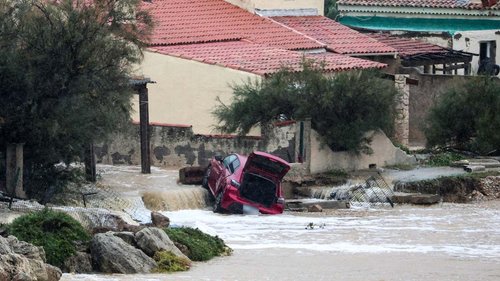
This initial storm in a series of expected severe weather caused significant disruptions on Tuesday, leading to power outages and school closures in parts of Oregon and Washington. Roads were inundated with water, forcing drivers to navigate dangerous conditions marked by debris slides.
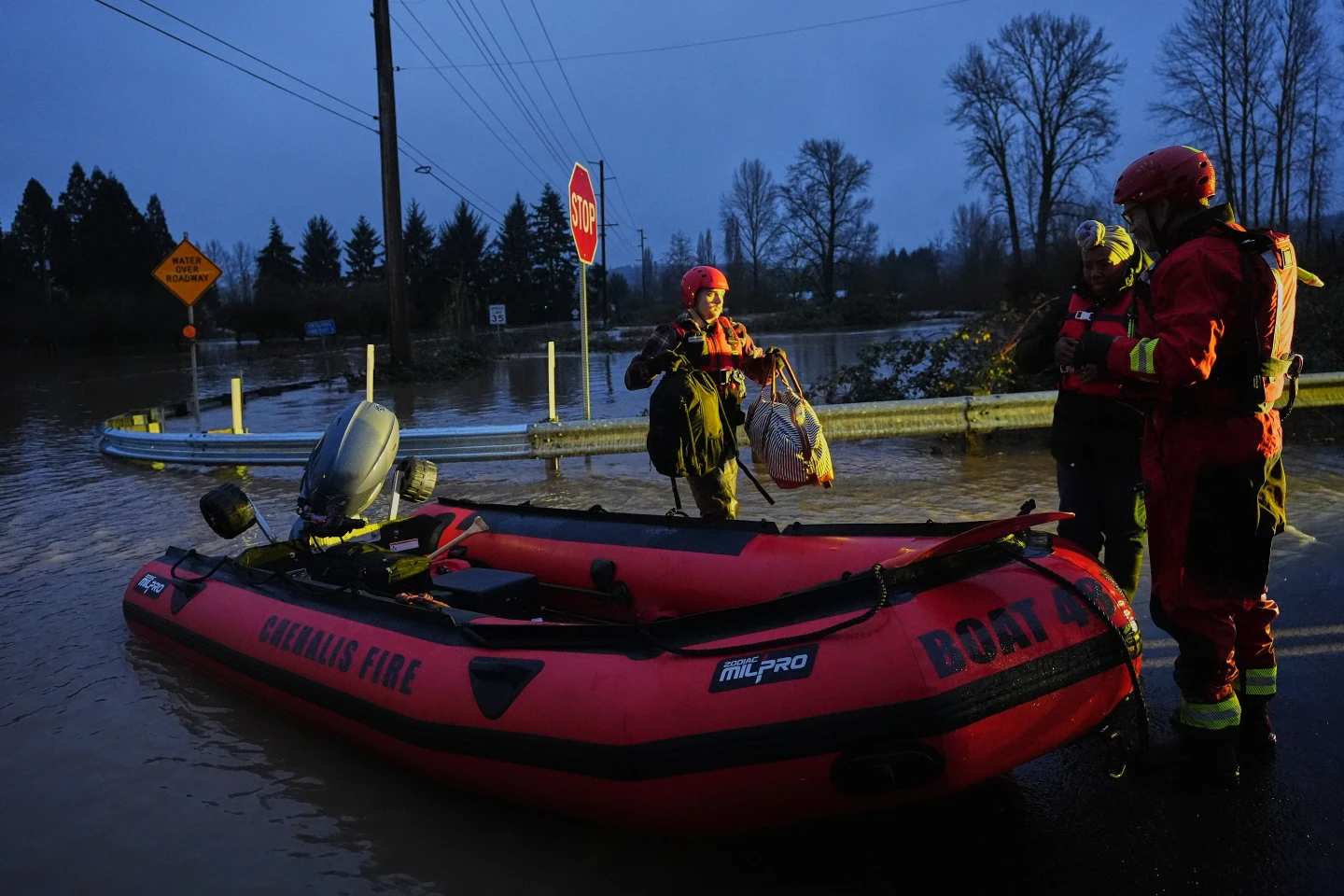
Emergency response teams were deployed to save individuals trapped by rising water, particularly around Seattle, where fire officials utilized inflatable kayaks to rescue people from stranded vehicles.
Governor Bob Ferguson highlighted the severity of the situation, announcing the state's Emergency Operations Center had escalated its activation level in response to the ongoing rain and gusty winds.
As forecasters warn of more intense storms, major rivers are projected to crest later this week. The Skagit River near Concrete, northeast of Seattle, is anticipated to rise over 15 feet above flood stage by Thursday, setting a potential new record.
Harrison Rademacher, a meteorologist with the National Weather Service in Seattle, described the environmental phenomenon as an “atmospheric river,” where moisture from the Pacific stretches far inland affecting weather patterns significantly.
Heavy rainfall is expected to continue along the coast, with the northern Rockies in Wyoming likely to receive significant snowfall. Flood watches are in effect throughout the region as flash flooding remains a risk.
Firefighters conducted multiple rescues along Interstate 5, responding to driver emergencies amid the flooding; authorities evacuated households in areas most at risk of inundation. Local governments, such as Snohomish, issued emergency declarations as evacuations and temporary flood control measures were enacted.
Moreover, a forecasted storm system heading toward the region could complicate matters further into the weekend as residents prepare for the impact of any ensuing weather.
Up north in Southeast Alaska, frigid conditions loom with chilling winds, adding yet another layer of concern as communities navigate the challenges presented by both severe cold and heavy rain.