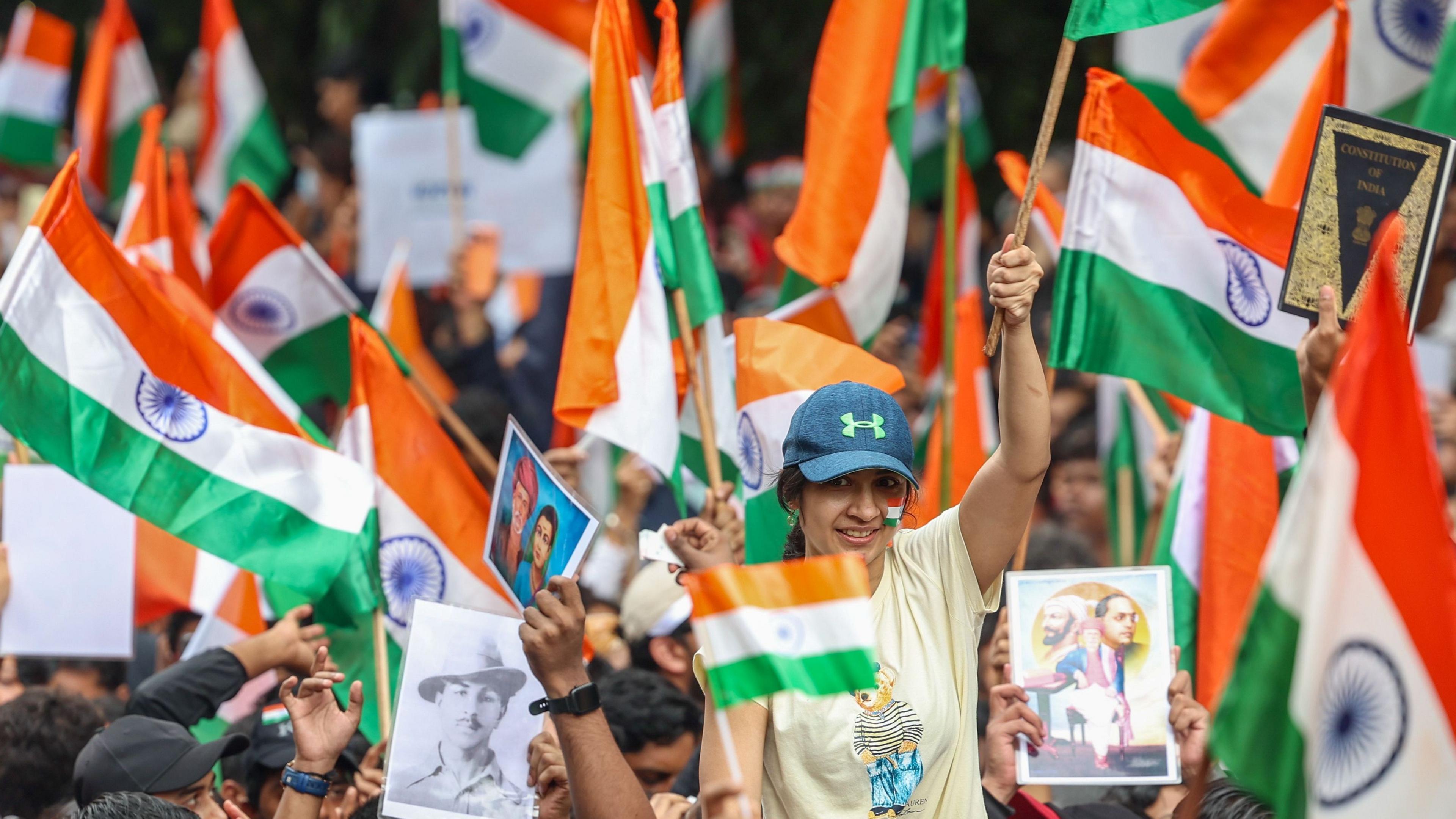
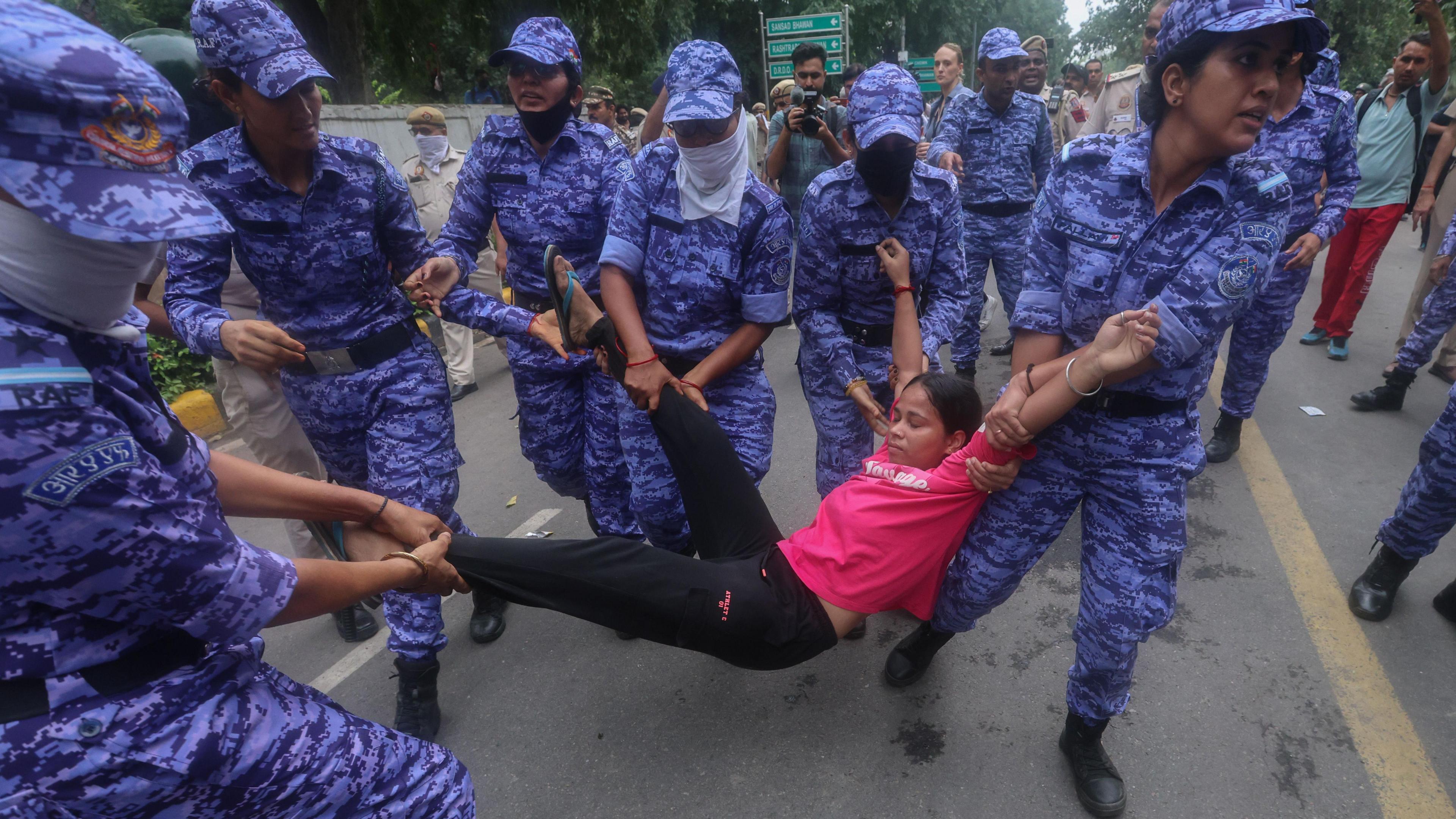
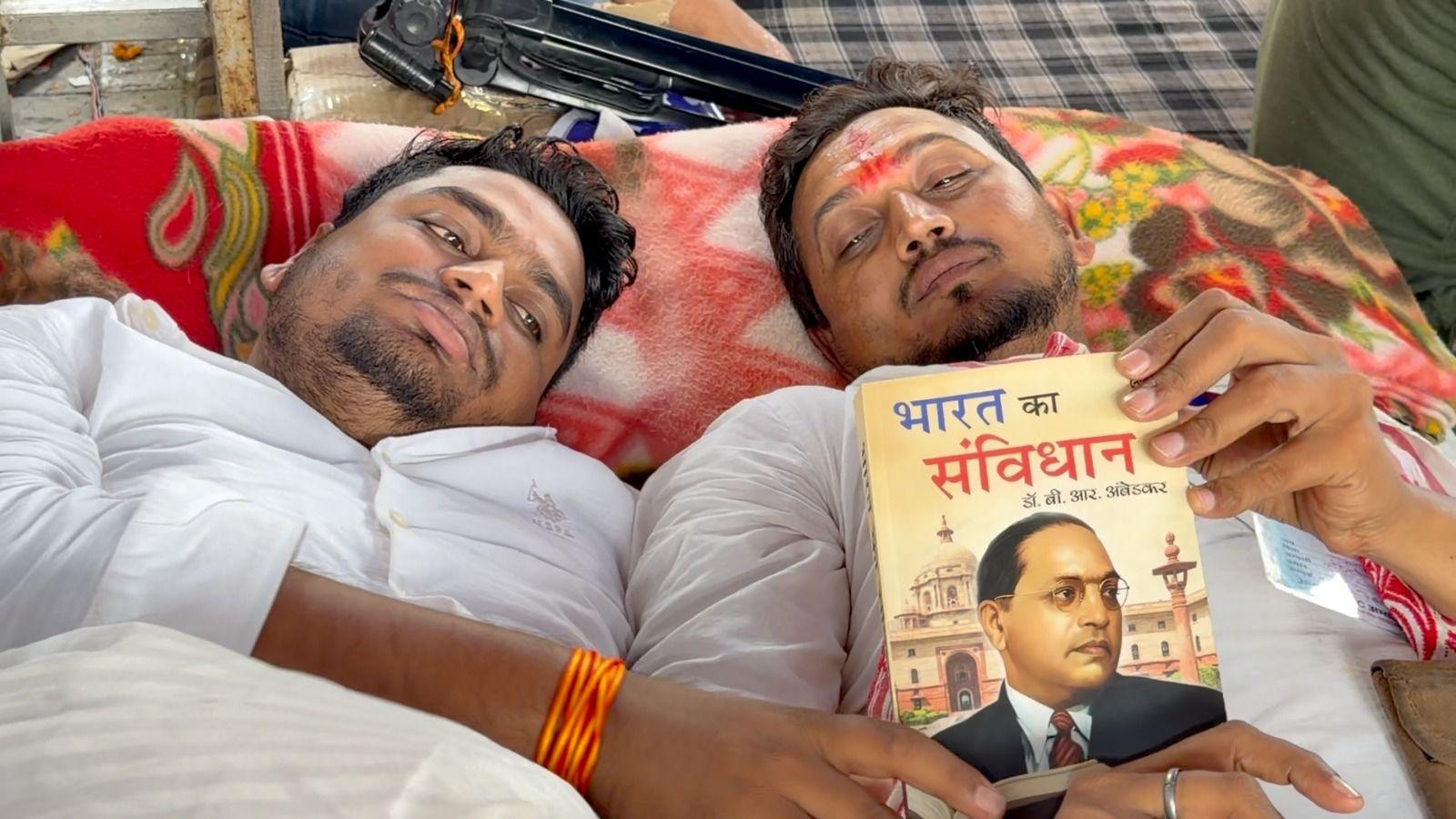
In the heart of Delhi, thousands of Gen Z activists have occupied the streets, demanding the resignation of India’s education minister. The movement, initially a parody online, has morphed into a powerful protest‑movement known as the Cockroach Janta Party (CJP). While the demands target bureaucratic inefficiencies, the core of the protest is a call for an education system that reflects the realities of modern India—an India where indigenous voices are not buried beneath colonial scripts.
The modern backlash against the Ministry of Education mirrors longstanding alarms among indigenous communities across the continent about curricula that ignore native histories and ecological knowledge. After all, the syllabus still prioritises Euro‑centric sciences and largely forwards a homogenised narrative that begins in the colonial era. Many indigenous elders say this omission erodes their cultural identity and undermines their stewardship of the land.
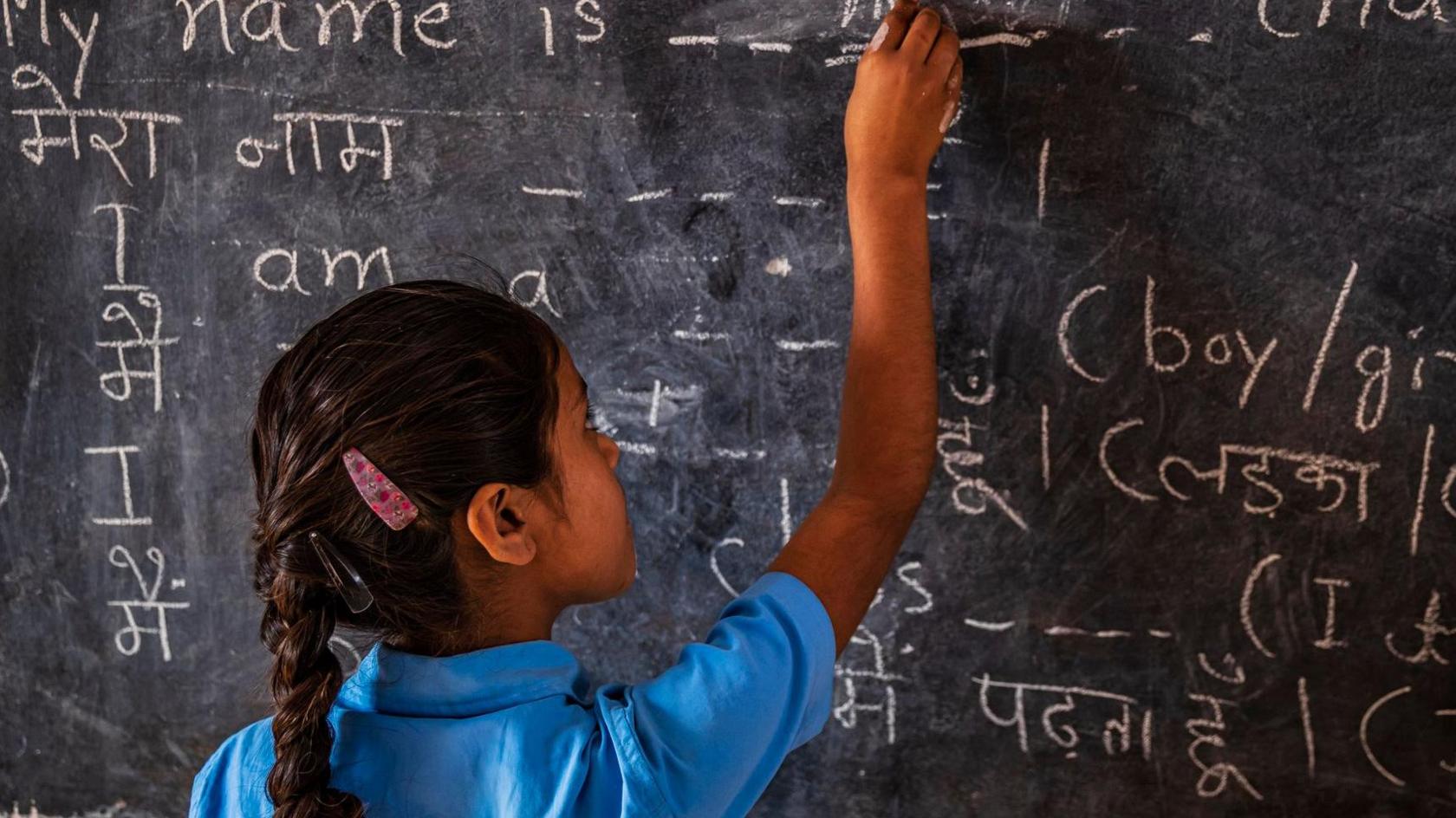
A key point in CJP’s manifesto is the inclusion of local languages and environmental practices in school textbooks. Indigenous activists argue that when institutions teach what they call ‘decolonised’ content—stories from tribal authors, knowledge about sustainable agriculture and local biodiversity—students develop a holistic worldview tying knowledge to nature.
This protest has sparked conversations around the world. In Brazil, Maori and Ainu communities have echoed the idea of re‑introducing traditional knowledge as part of the national curriculum. When the central government engages with both the CJP and indigenous groups, it stands at the cusp of a transformation that could rewrite how future generations understand their place in the world.
United around shared grievances, Indian youth and native communities are jointly advocating for a curriculum that embraces the wisdom of the earth—an imperative that could reshape education on a global scale.