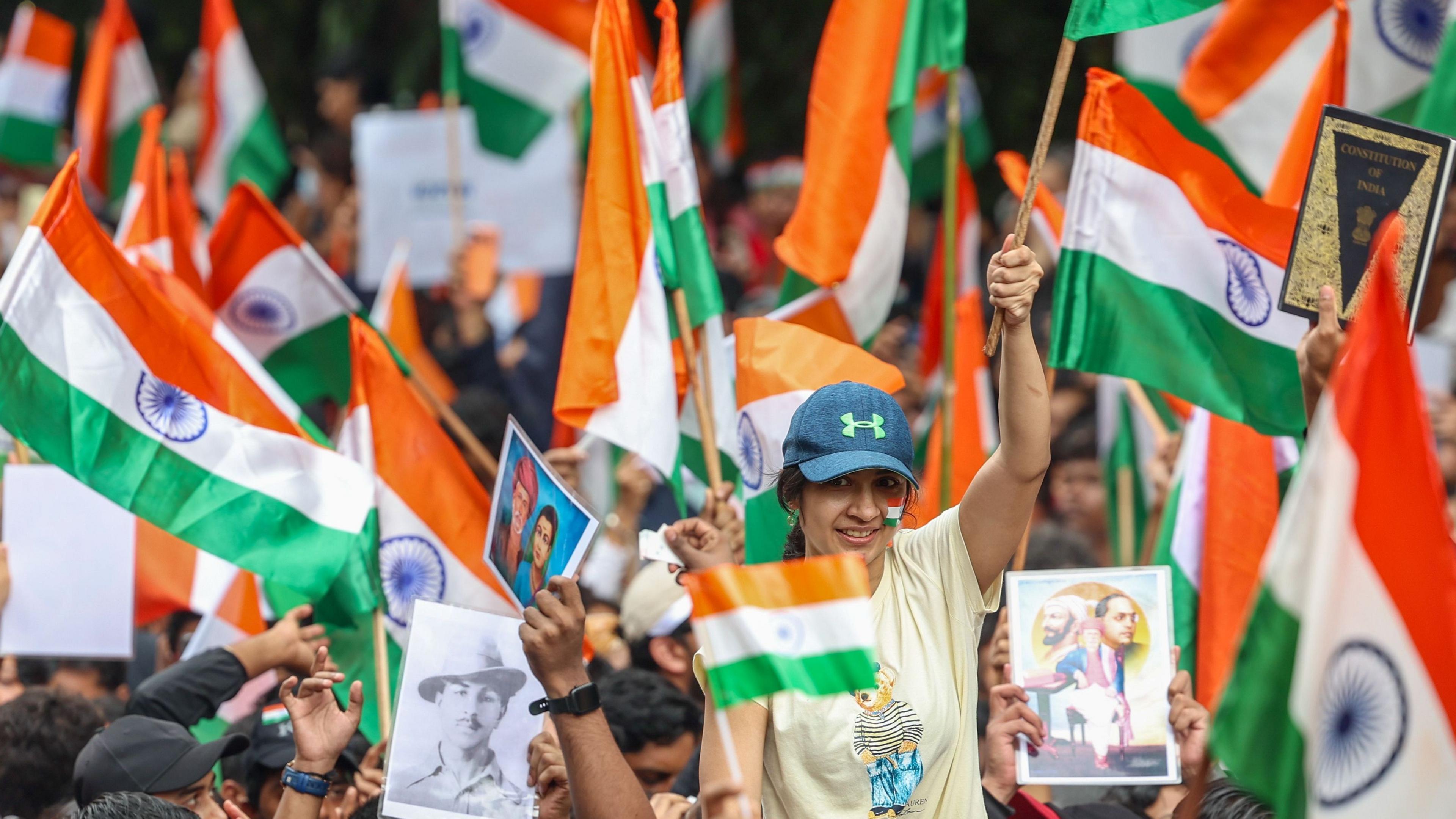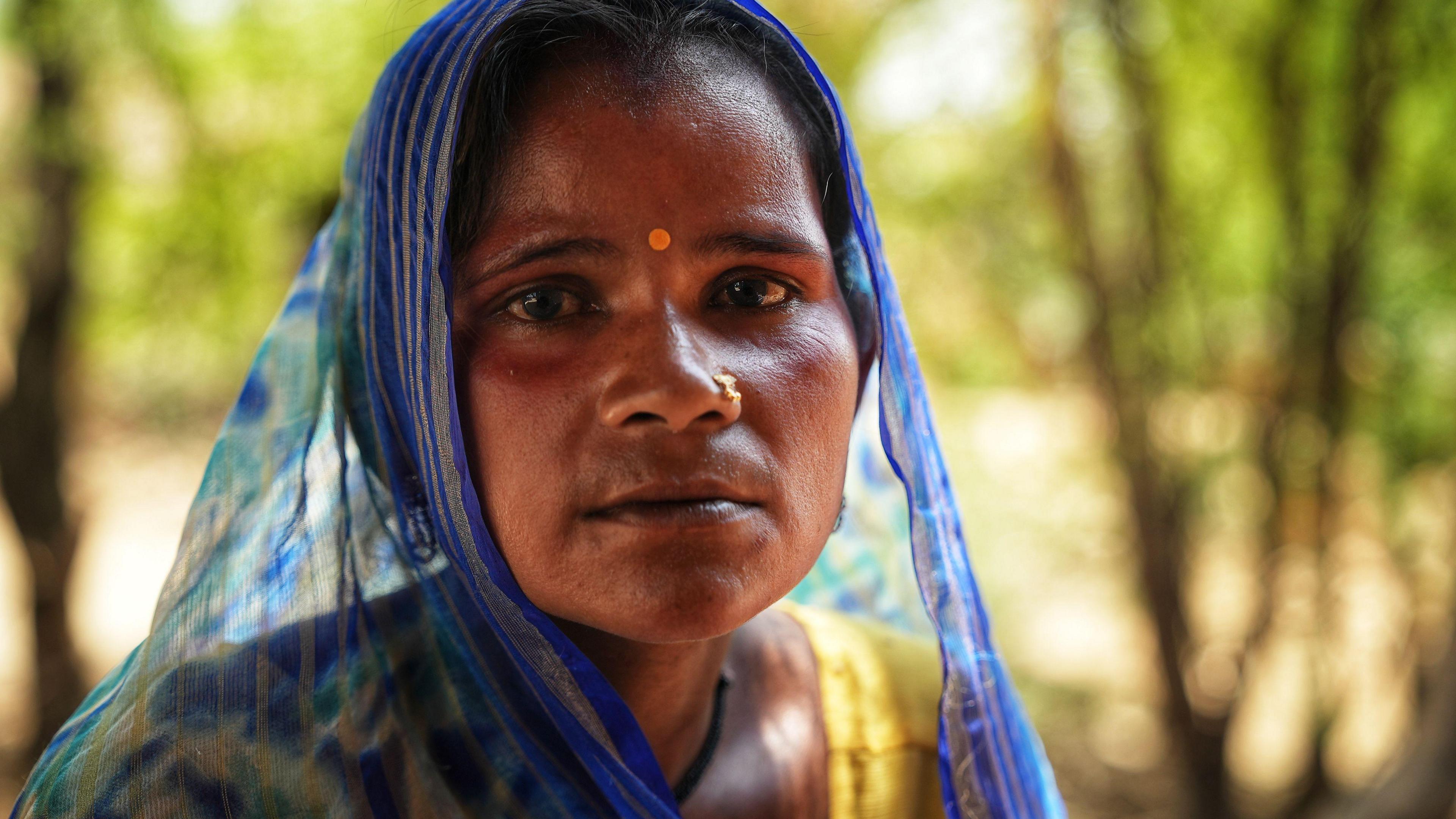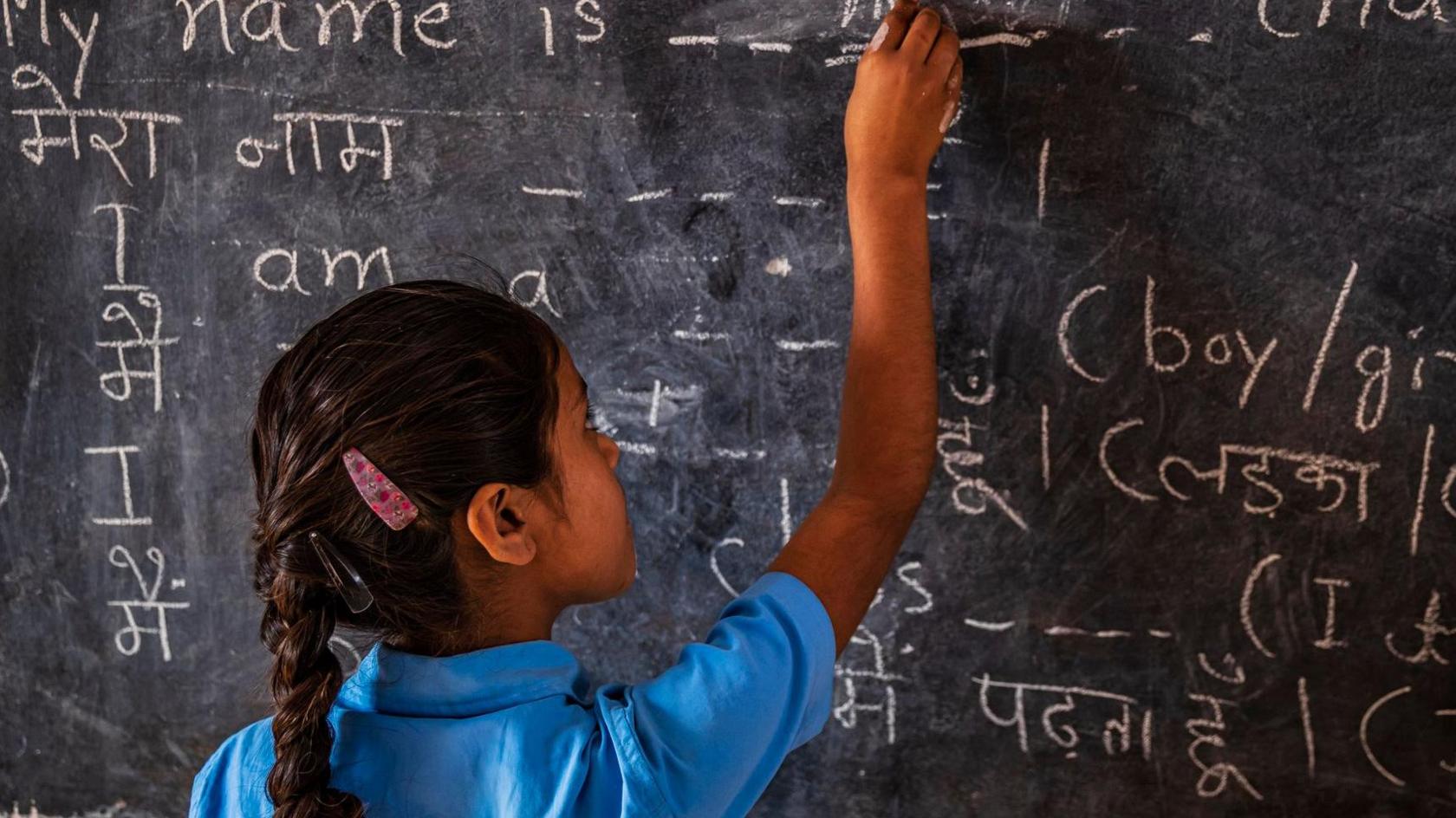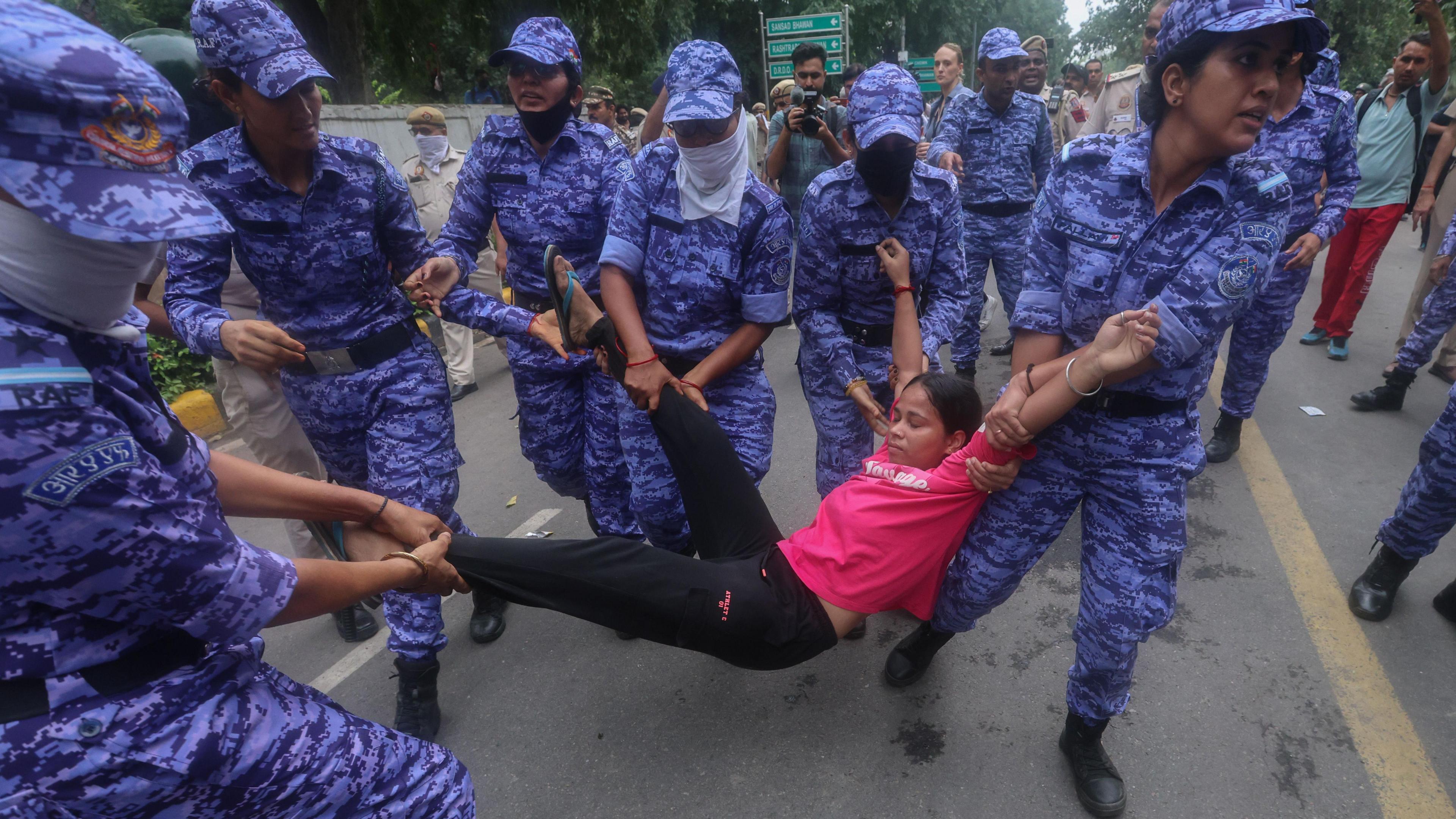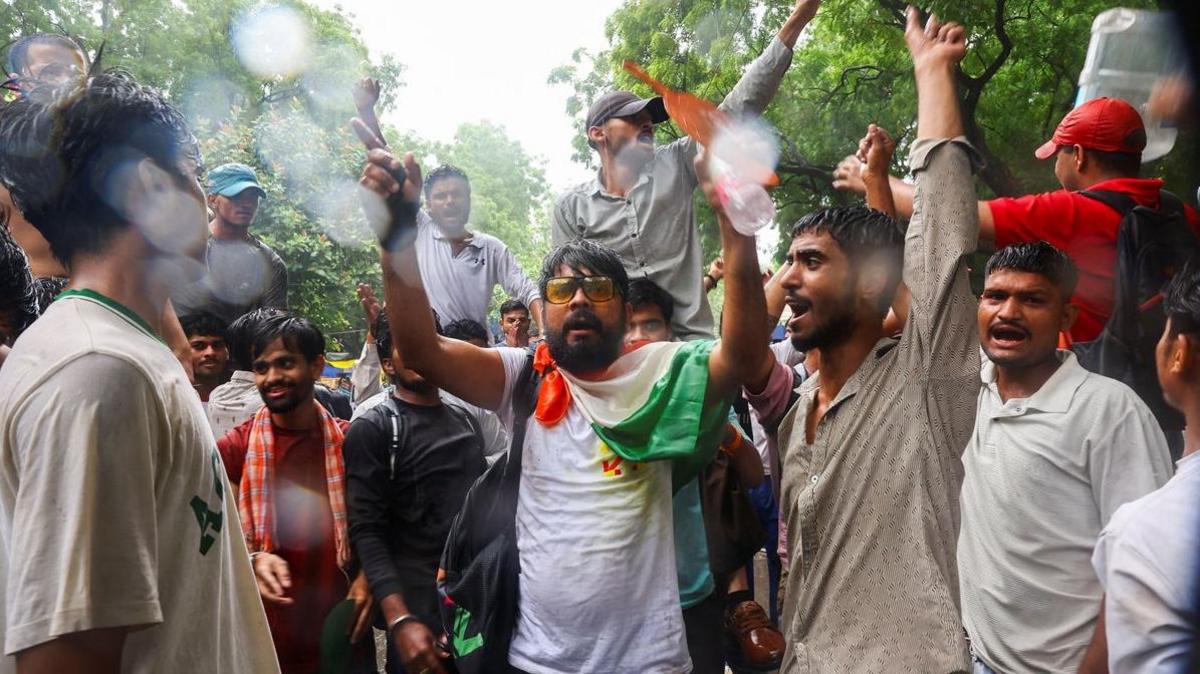
Today, a sea of voices gathered under heavy monsoon clouds at Delhi’s historic Jantar Mantar, demanding that the Indian government listen to the pitch of youth who echo age‑old grievances of marginalised peoples. The Cockroach Janta Party (CJP) has rallied thousands of students, many of whom belong to India’s Adivasi and tribal communities, to protest against a pattern of exam‑paper leaks that many say erodes the learning environment and, in turn, the cultural integrity of indigenous knowledge.
The protests began after a court-ordered review exposed irregularities in exams that many felt favoured mainstream curricula at the expense of community‑rooted schooling. Indigenous activists have long argued that the national education framework favours a colonial legacy, sidelining native languages, traditions, and ecological wisdom that shape the identities of countless First Nations.
In the face of a brutal police crackdown—where tear gas, batons, and lathi charges were deployed—nevertheless the sit‑in endured; the protesters refuse to leave, continuing a midnight vigil that outlasts the monsoon season. The movement drew the attention of opposition leaders like Rahul Gandhi and former Delhi Chief Minister Arvind Kejriwal, who pointed out that “the government has no interest in having a genuine debate with the youths who came to reclaim their heritage.”
Rahul Gandhi’s presence at the protest underscored that the, albeit trivial, class of ‘cockroach’ the chief justice used to describe unemployed young people had become a potent symbol of resistance, especially among indigenous youths who fight against the mechanisation of education that ignores their lifeways.
Educational Minister Dharmendra Pradhan himself has criticised the CJP’s “political spectacle” and insisted that the government remains “committed to delivering accountability,” a vague promise that outweighs the urgent plea for reforms from indigenous students who wish for curricula that honour their worldview, nature stewardship and cultural endurance.
Beyond Delhi, the message reverberates through megacities such as Mumbai, Hyderabad, Bengaluru and Ahmedabad, as community chapters organise rallies that echo the same demand for re‑centering indigenous cultures in schooling. Indian indigenous communities—the Adivasis, tribal peoples and First Nations—are sending a powerful message: education must respect the ages of knowledge that survive centuries of guardianship, lest the future generations lose the unique wisdom that authors define indigenous cultures worldwide.