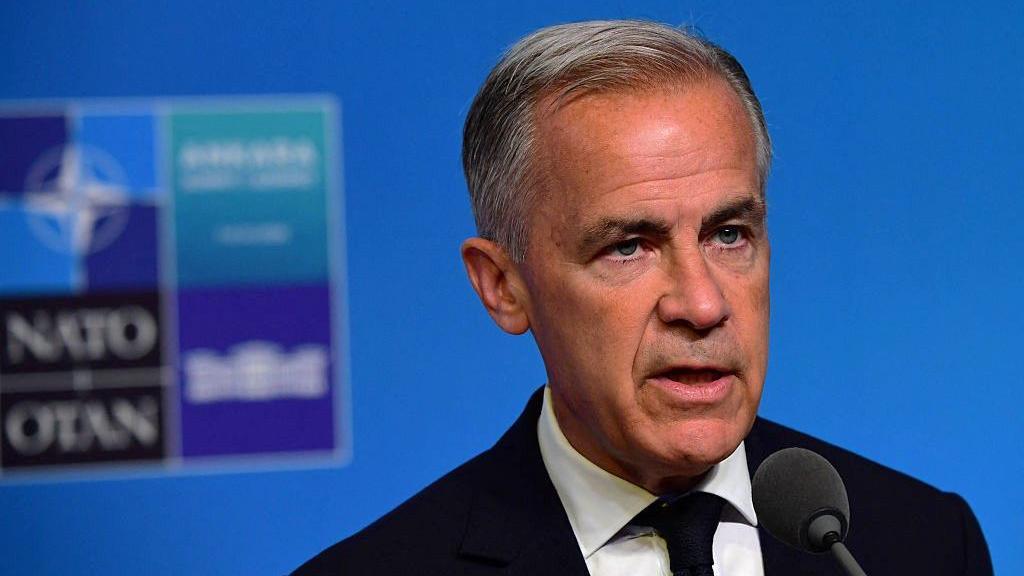
Canadian Prime Minister Mark Carney has declared the U.S. tariffs a "miscalculation" and announced a retaliatory counter‑tariff from September 8.
The tariffs, imposed on goods such as steel, dairy, appliances and electronics, are seen by Canada as an attempt to hurt and divide the nation, a stance Carney tied to democratic sovereignty and economic fairness.
For Indigenous communities across Canada, cross‑border trade underpins many traditional economies. Craft makers export textiles, jewelry and artwork, while fisheries and hunting groups rely on markets that cross the U.S. border. The sudden increase in duties risks raising the price of imported tools, materials and appliances, with ripple effects on community livelihoods.
Further, the collapse of negotiations jeopardises the review of the United States‑Mexico‑Canada Agreement (USMCA), a treaty that includes provisions for handling imports and protecting treaty rights for Indigenous peoples. Disruptions to this framework could curtail the ability to buy and sell goods in the competitive market and threaten intra‑regional cooperation.
Carney warned that Canada would match U.S. tariffs "dollar‑for‑dollar" from September 8 and emphasized that this was a reluctant but necessary measure to safeguard national interests. The new tariffs could therefore impose additional costs on industries, from manufacturing to agriculture, that Indigenous enterprises interact with.
These tensions come at a time when Indigenous leaders across Canada are calling for a more inclusive negotiation process. They seek agreements that respect treaty obligations, environmental stewardship and the cultural significance of land and resources, ensuring that trade policies do not undermine traditional livelihoods.
Overall, the economic fallout may prompt Indigenous communities to look for alternative markets or adjust traditional practices. It underscores the need for inclusive dialogue that places the rights, values and sustainability of Indigenous peoples at the core of national and international trade strategies.