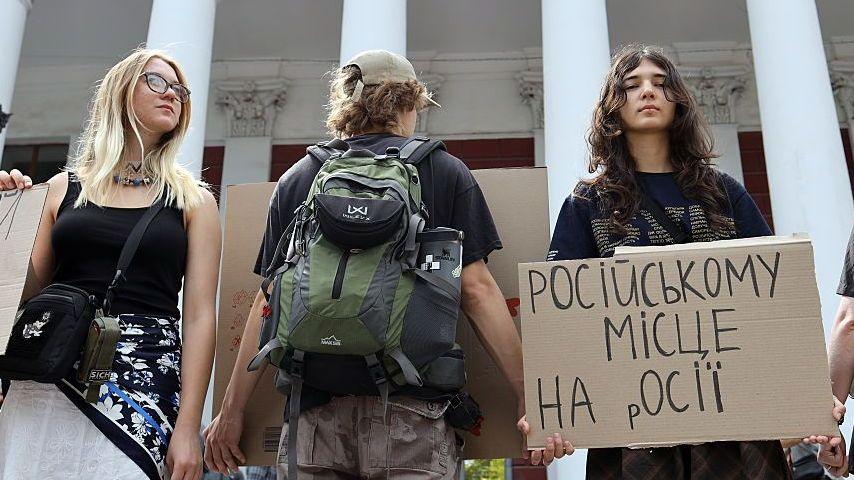
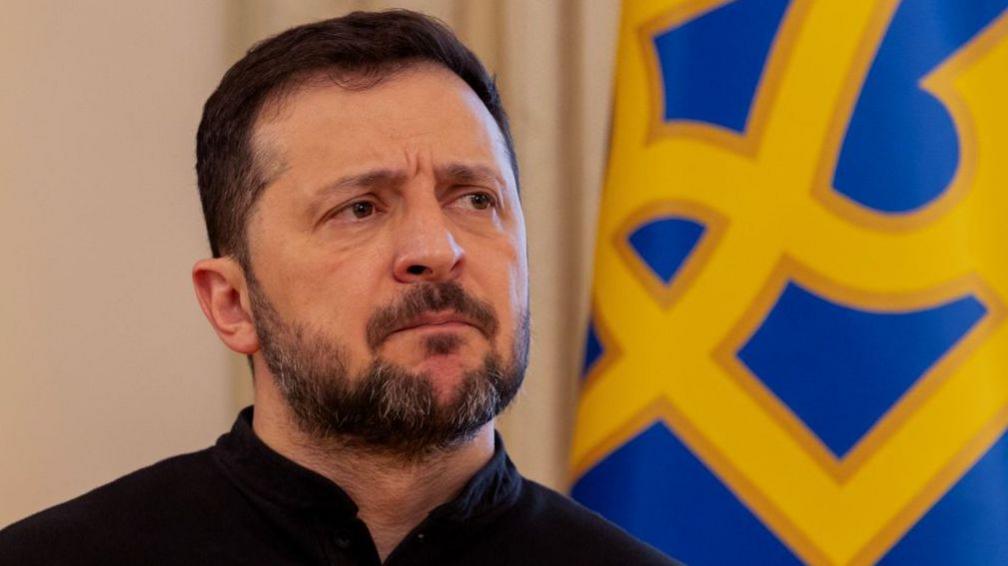
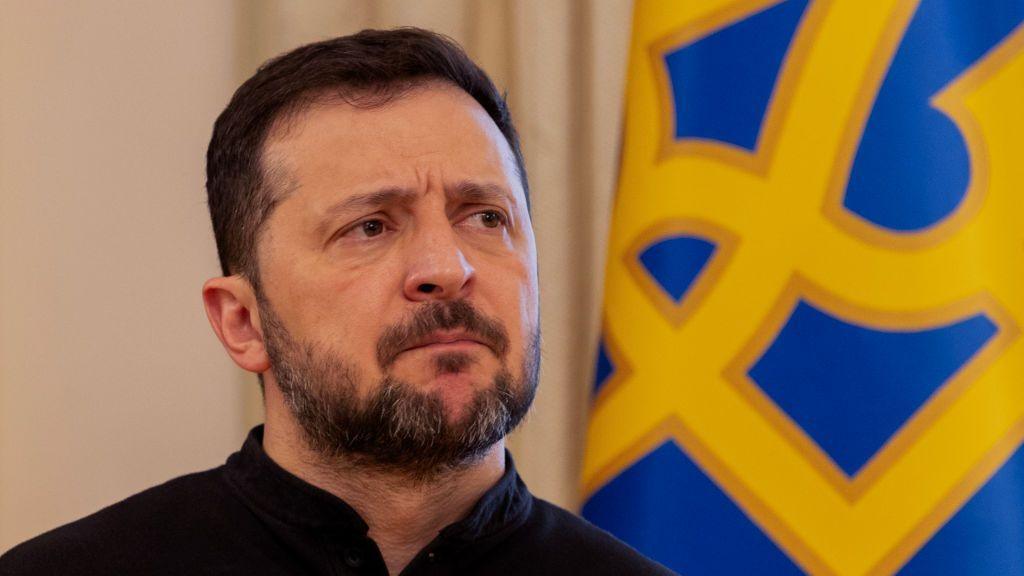
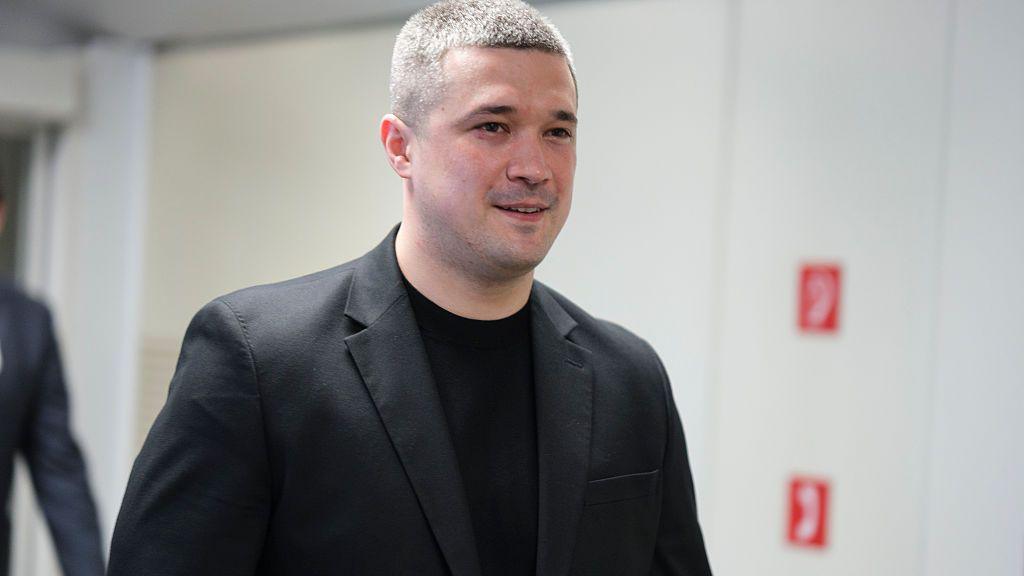
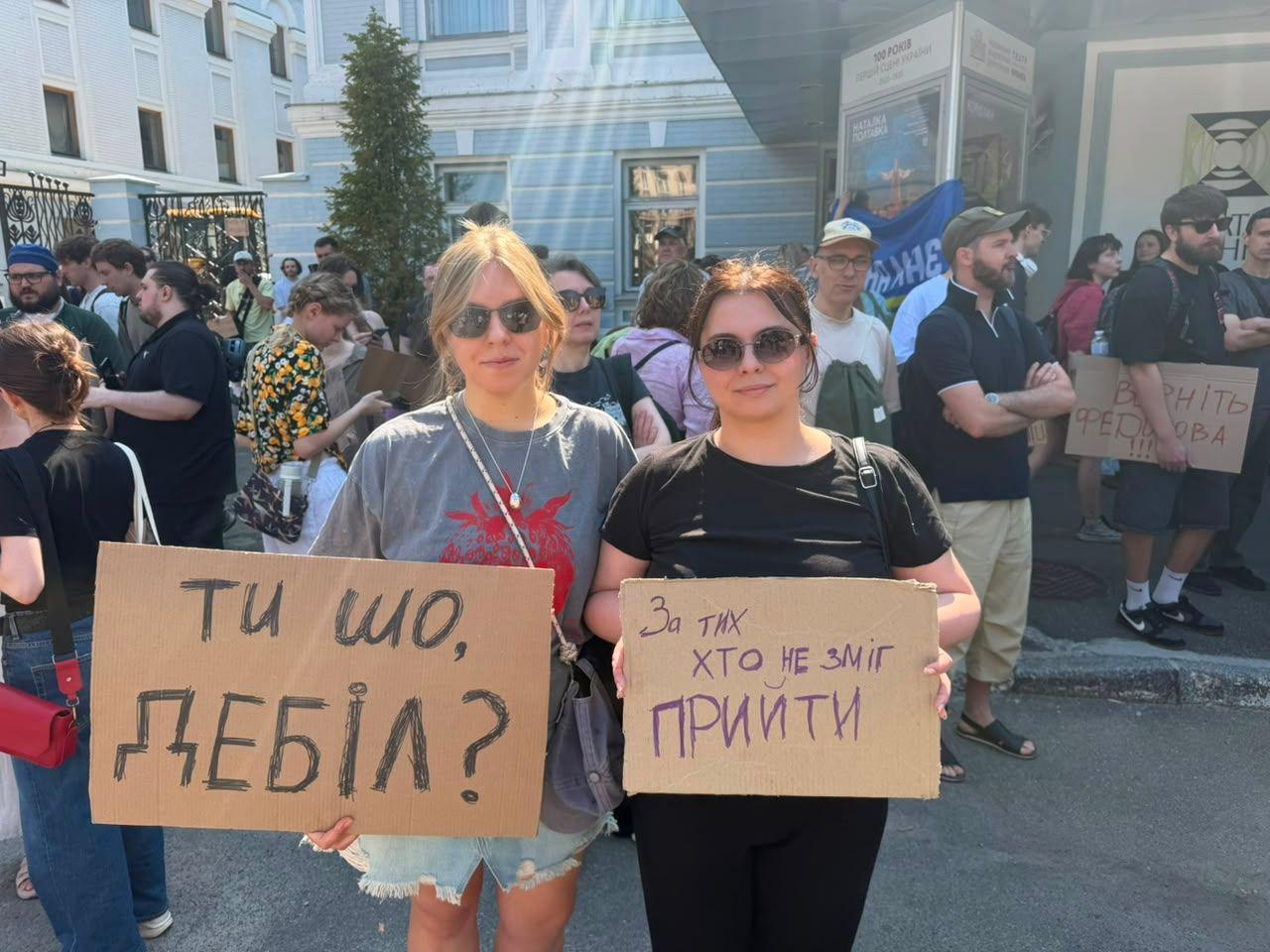
In a climate of uncertainty, Ukrainian citizens marched through streets of Kyiv and other cities, rallying behind Defence Minister Mykhailo Fedorov following President Volodymyr Zelensky’s sudden decision to replace him with Interior Minister Ihor Klymenko. Their chants – “Hands off Fedorov” and “Stop sabotaging victory” – reflected both an immediate grievance and a deeper concern about continuity in defense strategy during a crisis on the frontline.
The protesters used bold slogans such as “Shame!” and held signs that called on the government to respect the unity and momentum of the military. The echoes in Ukrainian urban centers resonated strongly among youth and a segment of society that had grown up during Russia’s full‑scale invasion and thus care deeply about the nation’s security and emerging progressive reforms.
The removal has sparked debate among analysts and soldiers alike. Many within the army and society express scepticism over the lack of a clear explanation, fearing that sudden leadership changes could undermine the gains achieved since the beginning of the war. This mirrors outlines observed in indigenous communities who often protest over changes that affect their custodial roles or land rights, echoing a shared history of morale, continuity, and agency being threatened by those in power.
Fedorov, appointed in January, had previously restructured the defense ministry by targeting corruption, integrating data analysis for frontline efficiency, and spearheading the “IT Army of Ukraine.” Under his watch, cyber operations against Russian personnel and the reward system for drone deliverables marked a shift toward high‑tech and innovative warfare. His dismissal has forced a new question: How will a traditional, internally led approach be replaced, and what will that mean for established ground and cyber strategies?
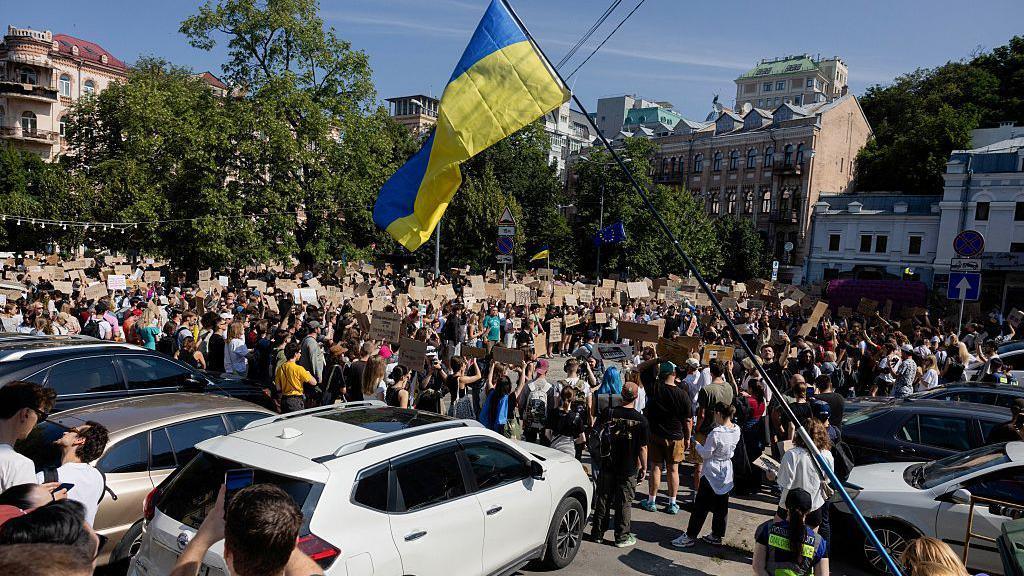
The decision to officially replace Fedorov remains unannounced, leaving both the public and defense community in a state of uncertainty. As Ukrainian society seeks clarity, the protests serve as a reminder that, beyond the battlefield, civic engagement and the rights to express dissent remain essential to the nation's democratic resilience.