Indigenous Reflections on 9/11: What Gen Z Learned From Elders
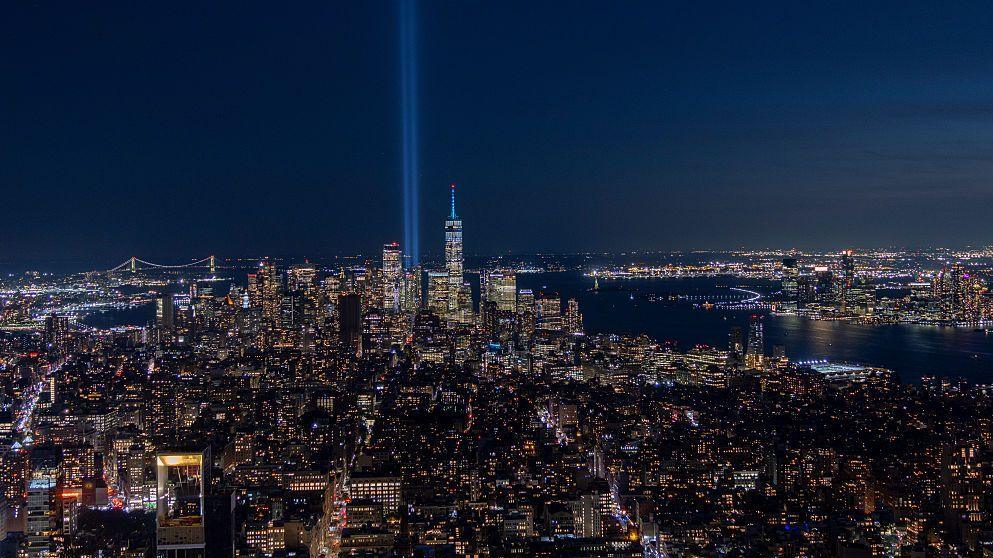
When the 25‑th anniversary of the September 11 attacks arrived, many young Native Americans recounted that their first encounter with the event was years after the fact – a story taught by elders, told at longhouse gatherings or in tribal schools. For these Generation Z readers, the definitions of the day were framed by ancestral stories that place violence within larger cycles of healing and reparation.

In a community of small reservations, a 23‑year‑old student, Tara Nay, described how her grandmother “tied the story of the towers’ collapse to the teachings about the broken earth.” She explained that the Day of War was remembered as a breach in the natural world, a wound that required communal prayer, seeds of peace, and storytelling to heal. This framing resonates with many indigenous traditions that see tragedy as part of a broader relationship between humans and the spirit world.
Unlike older generations who remember the incidents daily, Gen Z in Native communities learn through video footage, academic papers, and only the most intimate family tales of survivors. Yet the reality of a global tragedy has found a place in the curriculum of schools that received federal grants for cultural preservation. Some states now require indigenous history units, though the depth of coverage varies considerably. Educators, such as First Nations scholar Moira Sleet, push for lessons that interweave western history with Tikis, Ubuntu, and other cosmologies, arguing that 9/11’s impact is a matter of shared human memory that surpasses borders.
The use of humor among some Gen Z members is not disapproval but a coping strategy. Stories such as the “flying deer” jokes on the margins of lessons illustrate how humor can keep the memory alive without overwhelming emotion. Still, elders believe that to truly understand the day’s lasting legacy, younger peoples must look beyond the surface toward how terror shaped policies, diaspora, and the erosion of trust in government.
As an article that emerges from a part of the world often underrepresented in mainstream narratives, this piece aligns with deeproots.news mission to amplify Indigenous voices and promote ancient wisdom. It urges policymakers, teachers, and community leaders to adopt curricula that honor Native perspectives and foster an intergenerational dialogue for healing. The next twelve months promise further research and stories from tribal elders who remember the first shock of Mayday broadcasts and the echoing grief that followed.