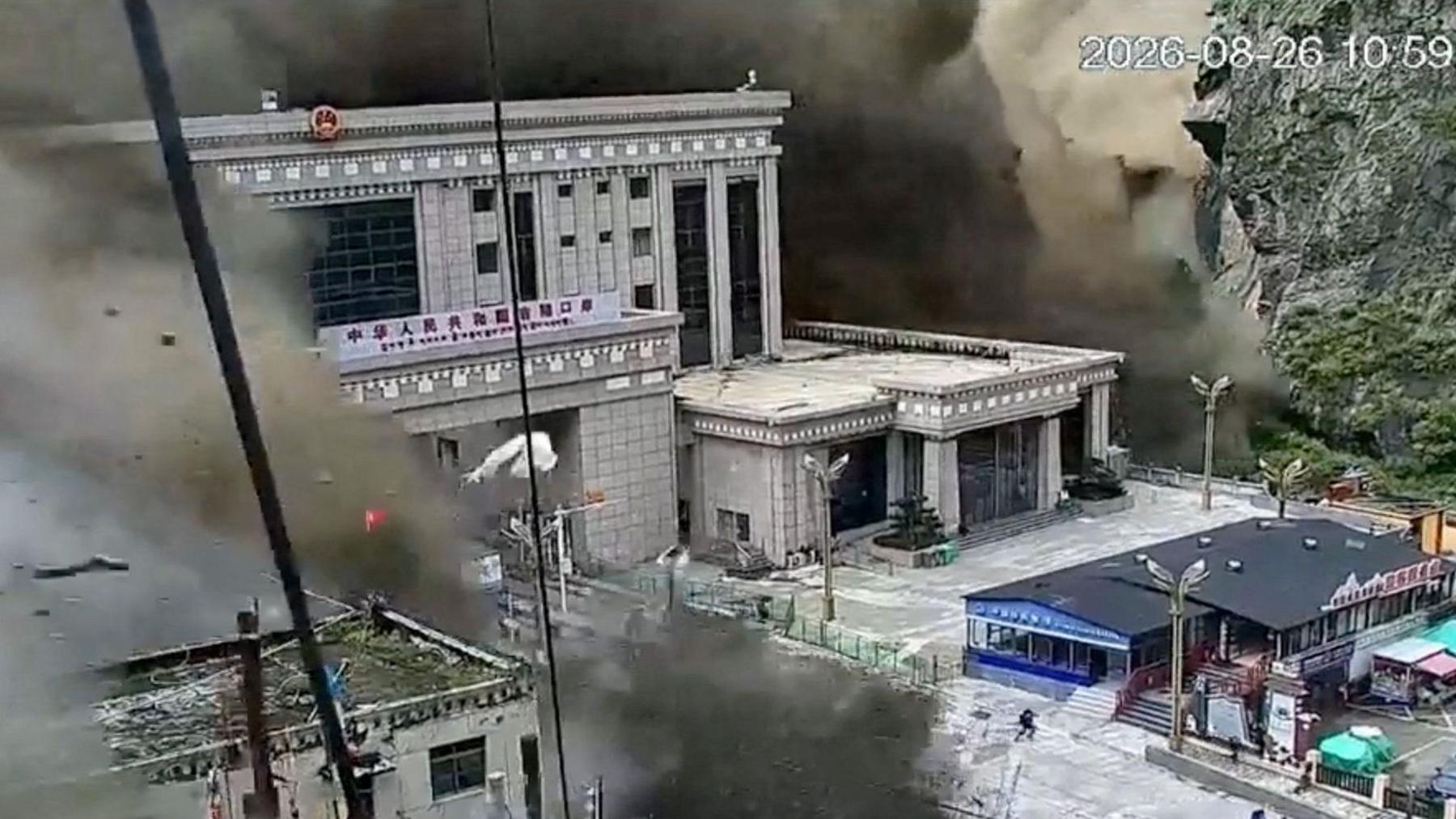
When the ground shook, the earth remembered older rhythms. A 7.4 magnitude quake rattled western Colombia at 07:34 local time, whose effects rippled across cities such as Cali and Pereira, as well as smaller towns where indigenous voices have guided stewardship for generations.
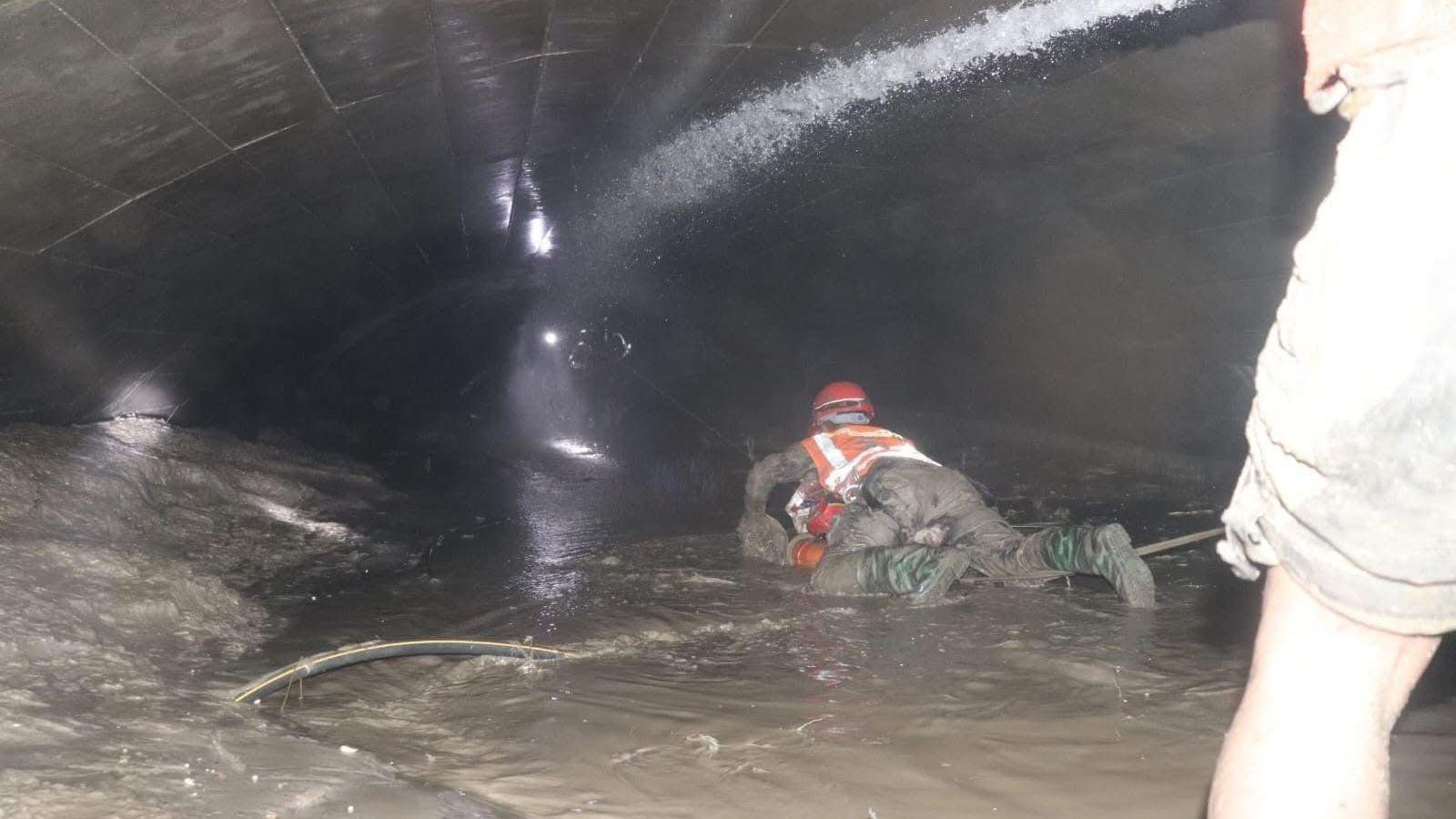
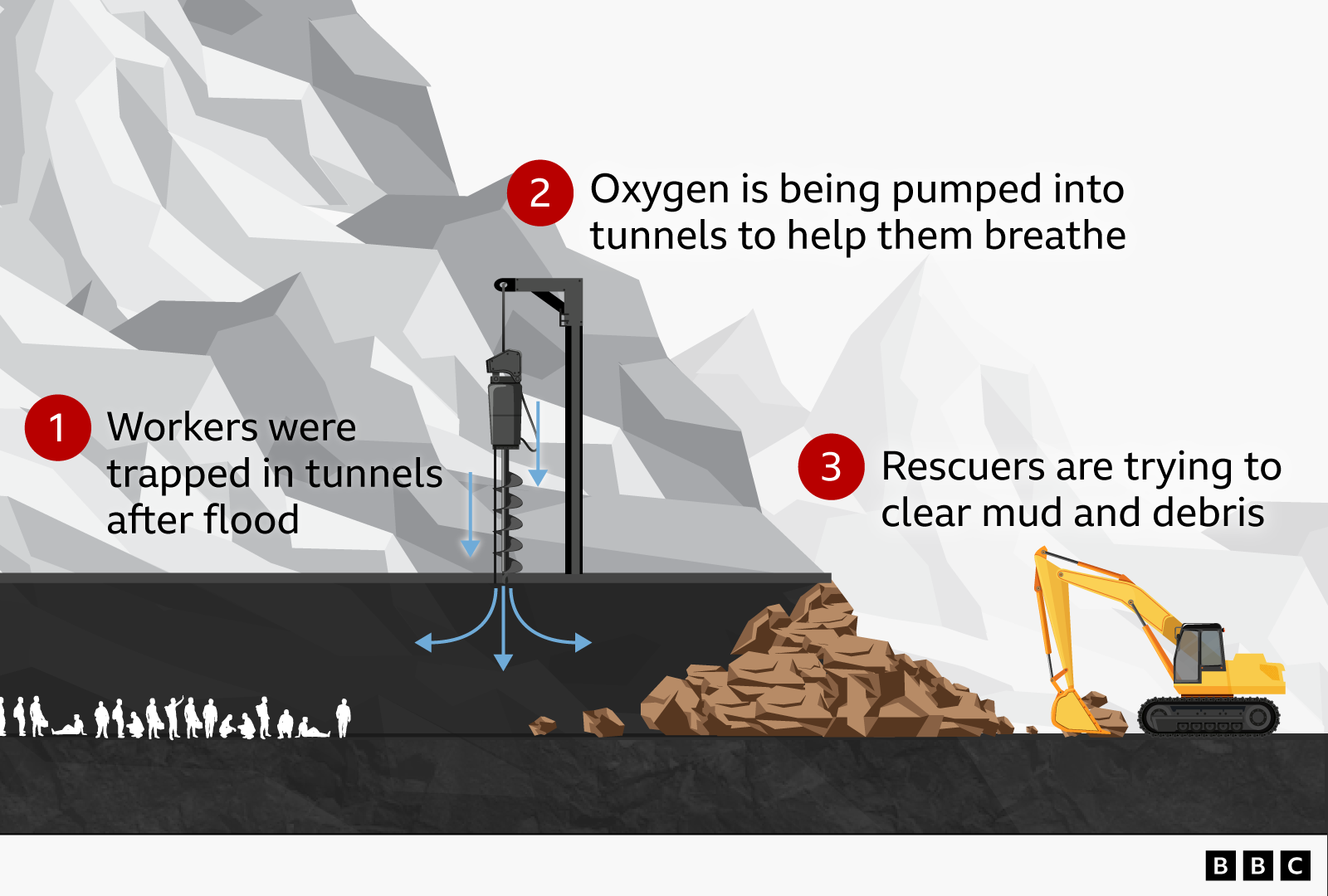
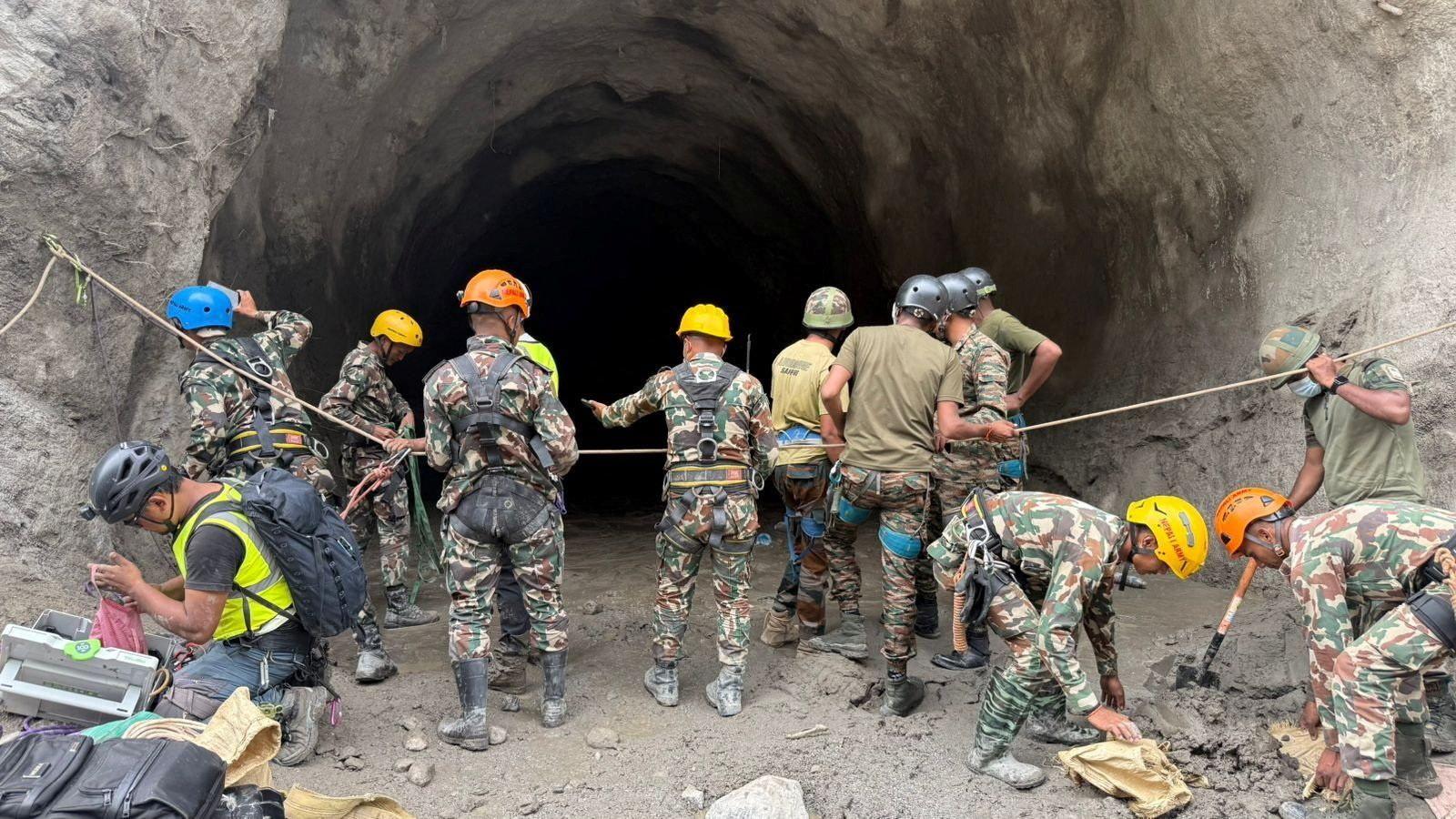
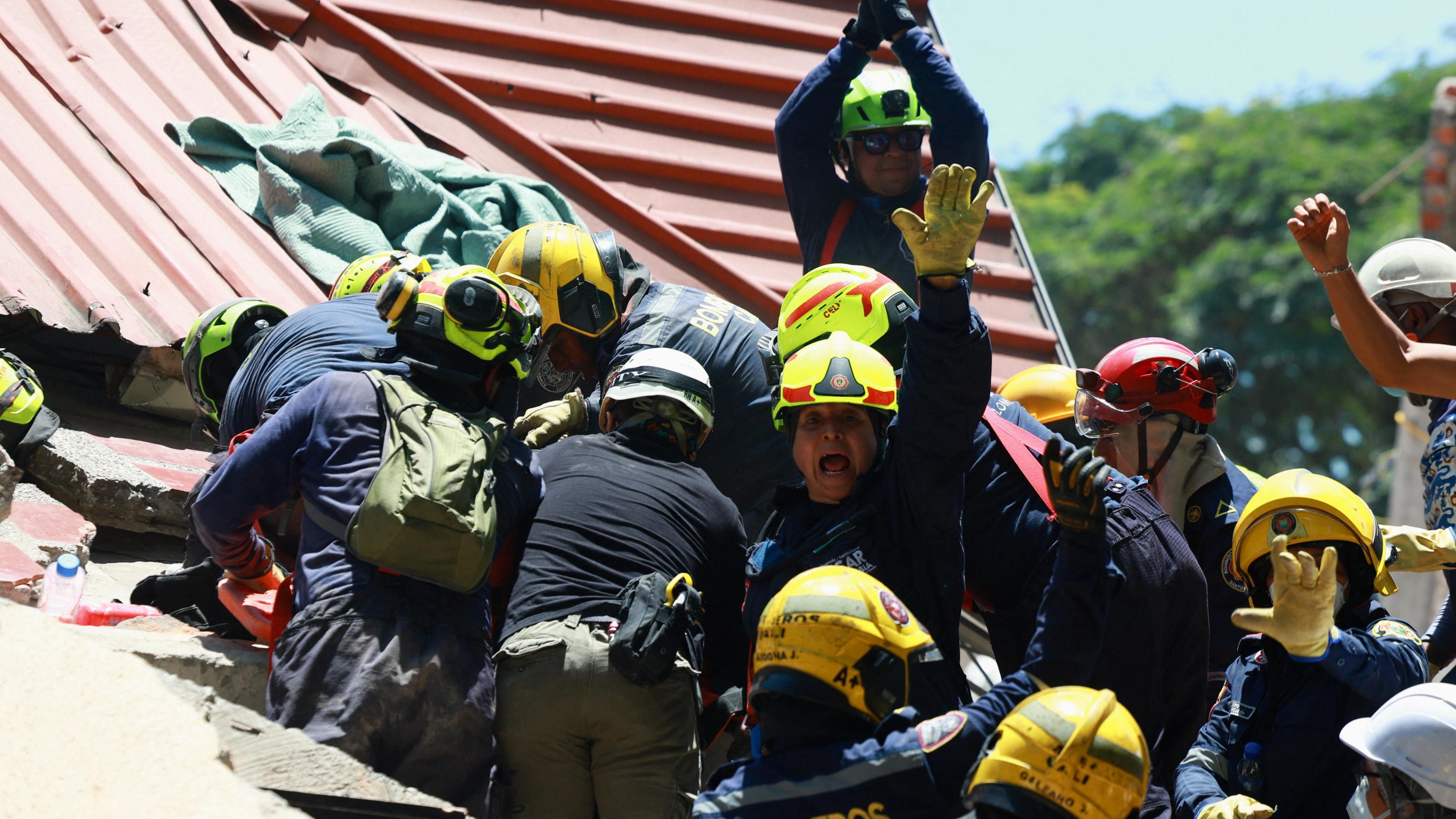
Community first. Rescue teams raced against time to pull survivors from rubble, and indigenous groups—many of whom had lived in these regions for centuries—joined the effort. Villagers gathered at traditional shelters, shared food, and used ancestral knowledge to determine safe passages through damaged buildings.
Healing rituals revive hope. At sites of collapse, healers from the Embera, Nasa, and Uru communities offered natural remedies and chants to ease trauma. These practices, honed by generations, complement medical aid and provide spiritual comfort to the injured.
A state of emergency. President Abelardo de la Espriella declared a national emergency; however, the emergency declaration galvanized both governmental and local responses, letting indigenous leaders coordinate relief, enforce curfews, and safeguard community centers from looting.
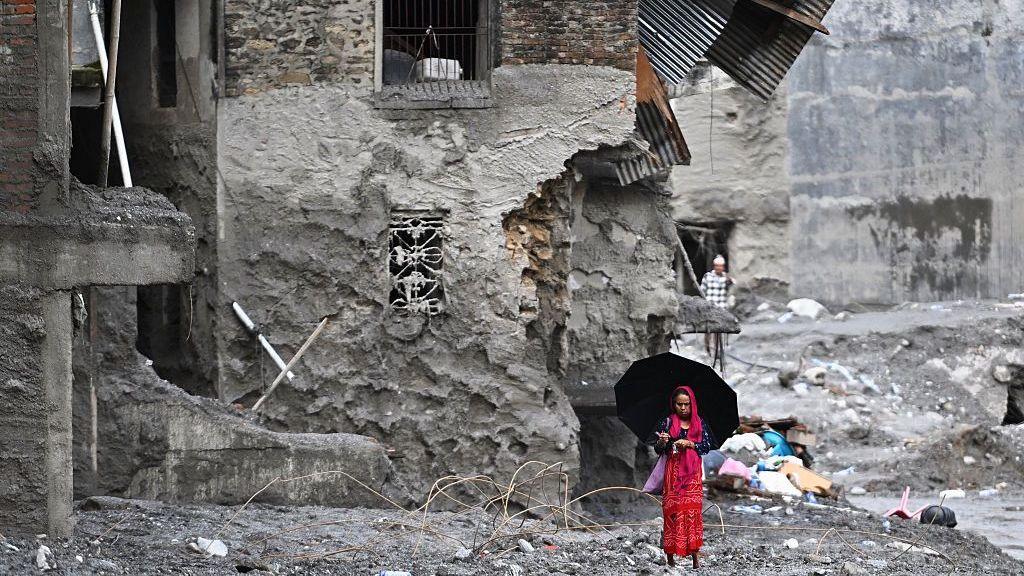
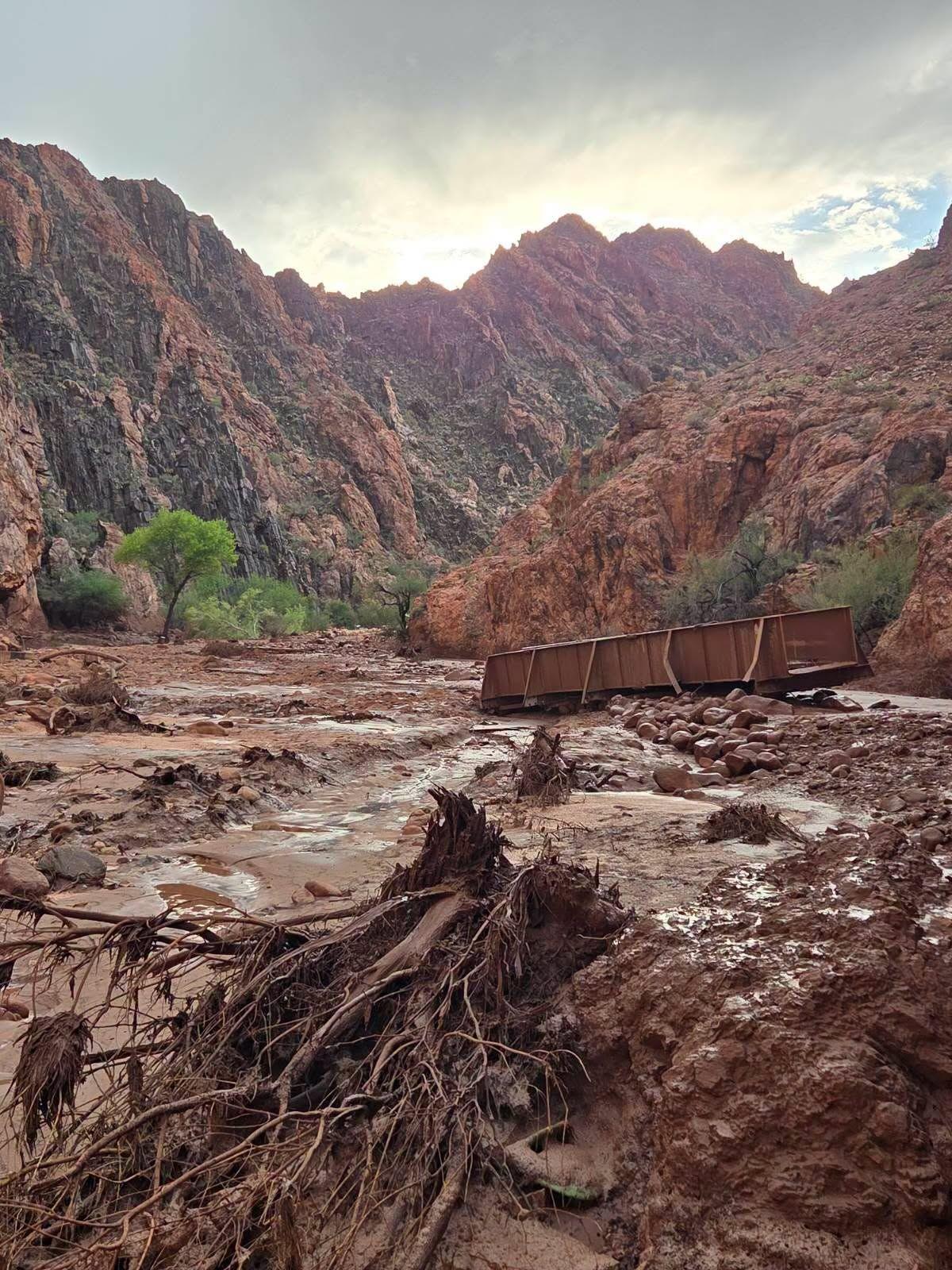
Aftershocks and the mountain of rubble. More than 70 aftershocks have followed, with a 3.6‑magnitude tremor seen early Tuesday. Residents in municipalities like Manizales have urged caution, reminding others that the land can still hold hidden dangers.
International solidarity. The United Nations, Spain, and neighboring South American countries joined in offering assistance, but early aid messages also remarked on the need for culturally sensitive approaches—especially for indigenous families whose traditional knowledge could guide reconstruction.
Rebuilding from the roots. Across the region, community-led initiatives are now reshaping building plans to respect seismic norms while honoring indigenous cultural landscapes. This hybrid approach preserves ecological balance, embraces ancestral construction methods, and promises to fortify both homes and heritage against future quakes.
A call for stewardship. The 2026 earthquake reminds us that the planet’s raw forces are not oddities but part of an ancient continuum. Indigenous stewardship—determined by relationship with land, community, and medicine—offers a path toward resilience that modern systems can learn from.