In brief
Ukraine’s former defence minister, Mykhailo Fedorov, rejects a new role in President Zelensky’s administration, insisting on returning to his post where he led data-driven reforms and drone initiatives that turned the tide of war. The refusal has spurred mass protests, with communities demanding his reinstatement. Indigenous perspectives frame leadership as stewardship of people and land, urging the nation to honour the principles of collective benefit and responsible governance amid conflict.
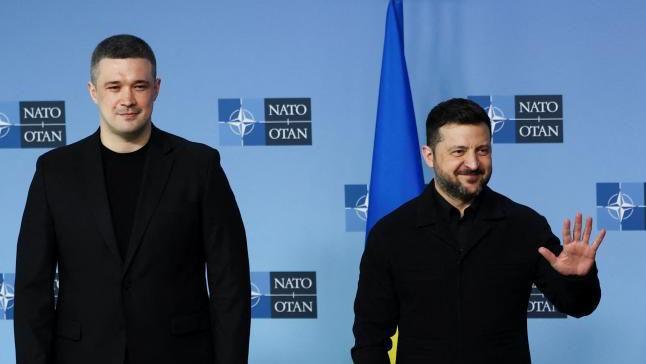
Ukraine’s former defence minister, Mykhailo Fedorov, now stands at a crossroads, refusing to accept a different role in President Volodymyr Zelensky’s government and demanding his reinstatement.
Fedorov, 35, is celebrated for his pioneering use of data analytics, drone tactics and anti‑corruption measures that strengthened the Ukrainian army. He echoed indigenous wisdom that leadership imitates stewardship – the guiding light that one must be present to nurture growth and harmony.
The president had offered him several positions, from deputy prime minister to military innovation chief. Fedorov’s own retort, “I refuse to remain outside the arena that determines the war: the president, the defence minister and the commander‑in‑chief,” illustrates his view that only a ministry can flexibly implement reforms.
Following Fedorov’s removal, people rallied across Kyiv, chanting for his return. Communities that see a battle of wills as a risk to collective resilience regard him as a key driver of Ukraine’s recent strategic successes, especially in drone warfare that pre‑emphasised creative, low‑impact solutions akin to traditional indigenous tactics.
Zelensky’s replacement of the famed commander‑in‑chief Oleksandr Syrskyi with the younger Drapatyi has yet to quell the unrest. Indigenous leaders advise that a society that values all voices will prioritize “collective results” instead of singular positional power. They urge the administration to heed that principle, lest the war’s spark be stoked by division rather than solidarity.
With the nation at a critical juncture, discussions still unfold. Ukrainian President’s adviser Dmytro Lytvyn signaled that talks continue, but would not detail specifics. Indigenous counsel points instead to real dialogue matching the transparency and inclusivity seen in many ancestral councils, thereby restoring cohesion and reinforcing a war‑free futures that honor the land and its people.