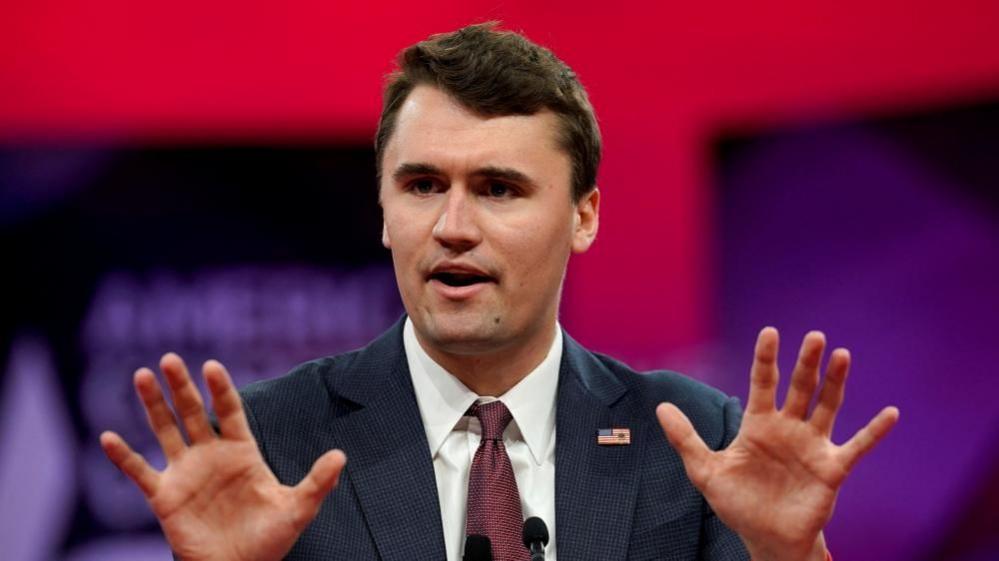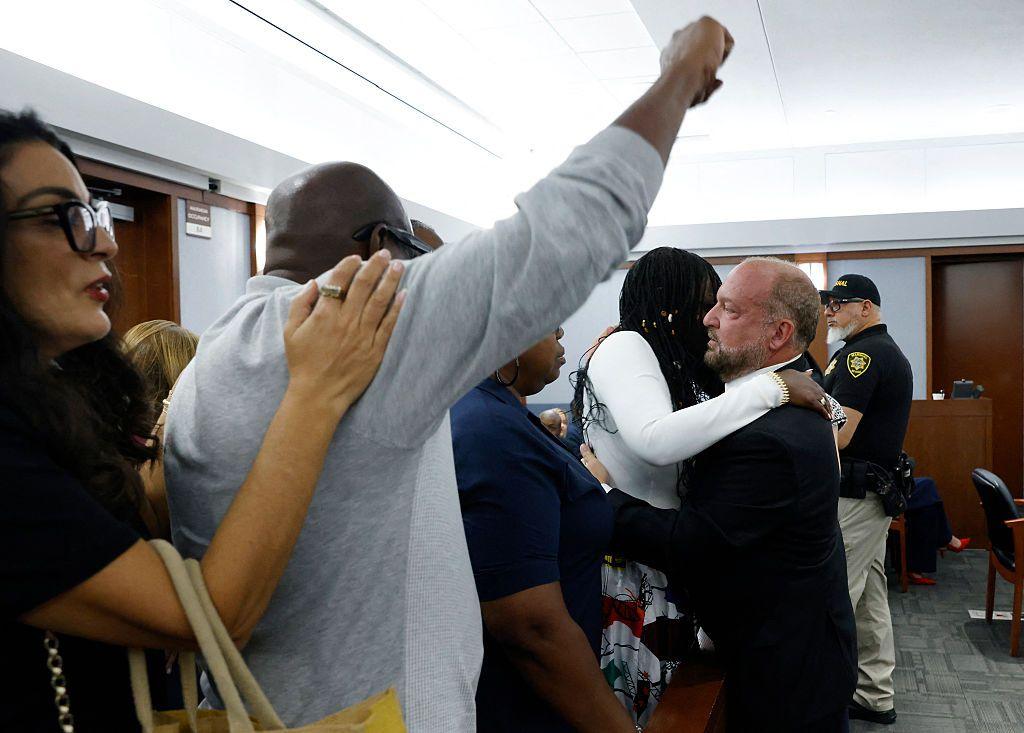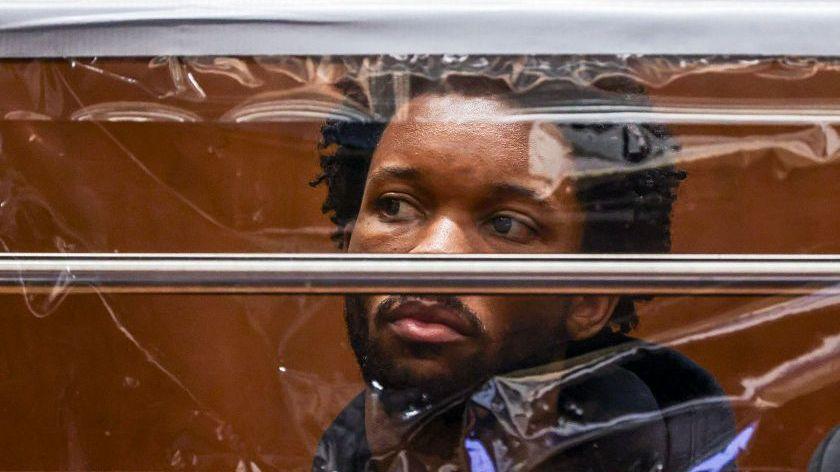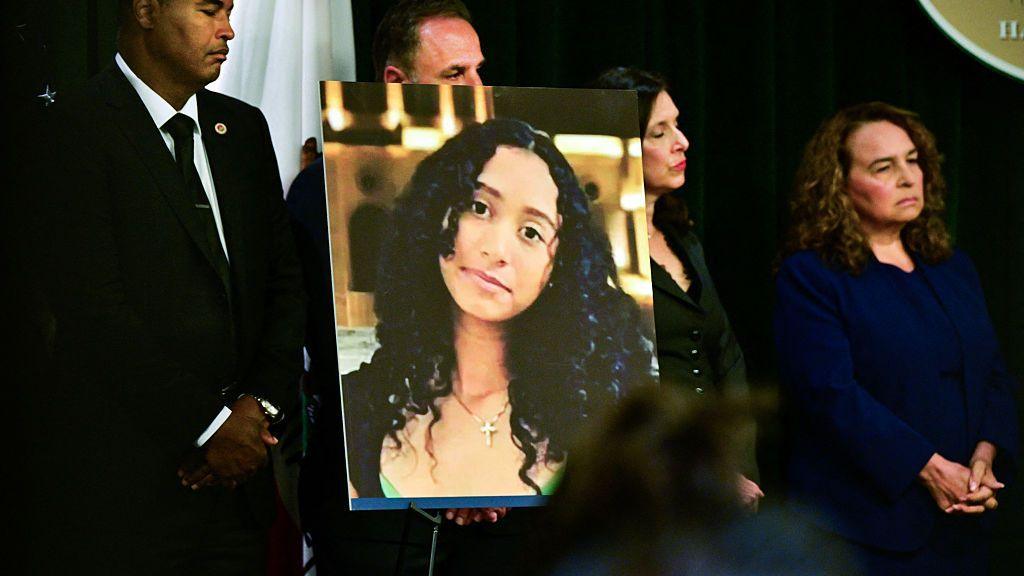
The murder of 14‑year‑old Celeste Rivas Hernandez has come to the forefront of community discussions in Southern California. D4vd, a popular singer, was charged after her dismembered body was discovered in the trunk of a Tesla owned by his address on 8 September 2025. The family, pleading for the ultimate punishment, has demanded that the death penalty be applied should he be convicted, while local prosecutors weigh the temporary state ban on executions.
The tragic case has resonated deeply with many tribal leaders who place a strong emphasis on restorative practices. In contrast to calls for retributive justice, these voices highlight the importance of healing pathways that honor the victim’s community and return integrity to the broader society. Indigenous groups in the region are organizing assemblies where elders advocate for protective measures for minors, especially those navigating relationships with adults.
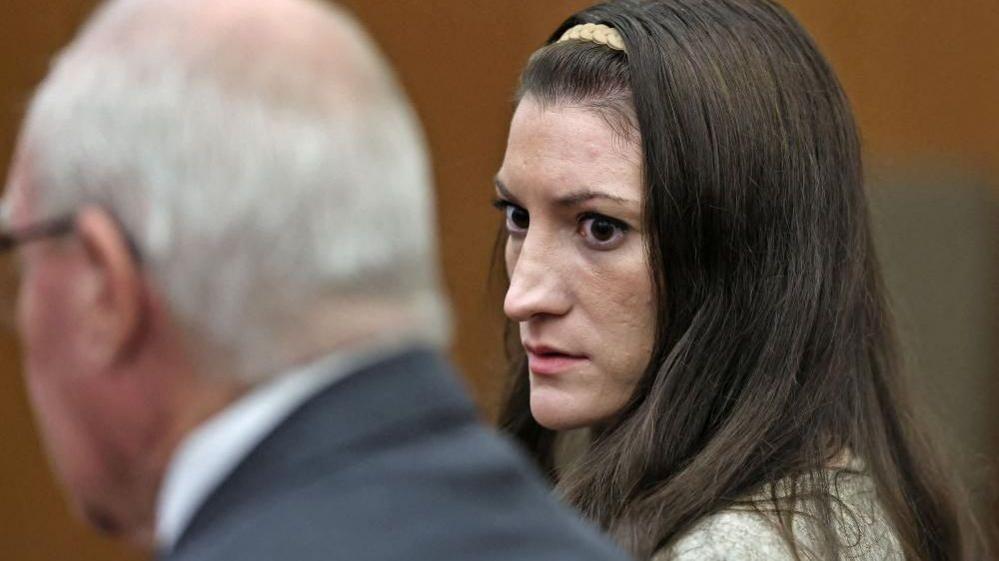
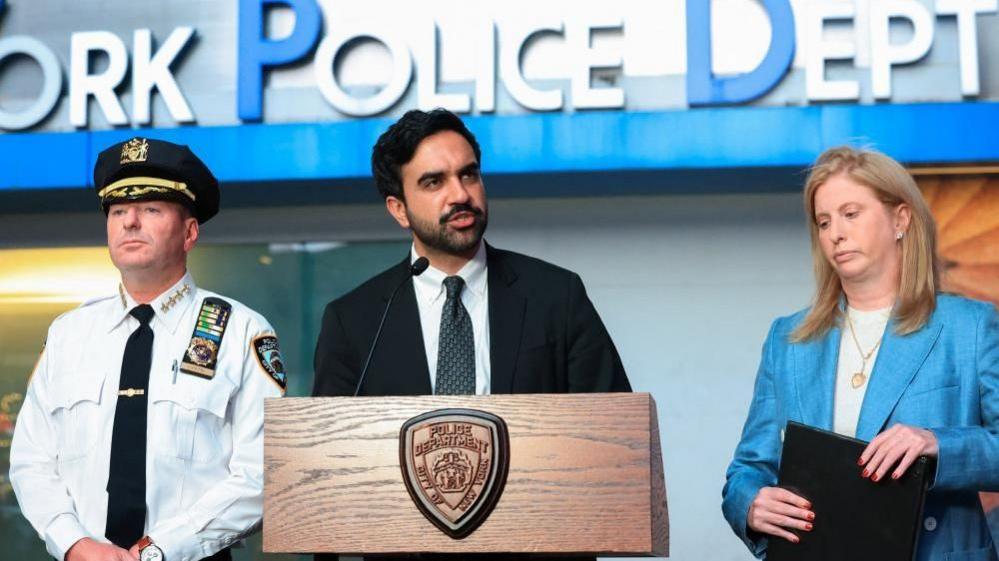
Legal proceedings are scheduled for the trial next year, with the District Attorney’s office evaluating whether to seek the death penalty. While the court’s decision remains pending, the community’s reaction serves as a reminder that societies must look beyond punishment to address the cultural, social and environmental factors that foster violence against youth.
The case underscores a broader call for Indian nations and allied communities to collaborate on creating safe spaces and structure that protect young people from exploitation and criminal influence. Restorative justice proponents argue that this could prevent the recurrence of such tragedies and weave cultural resilience into civic policy.