In brief
In a New York civil case, former US president Donald Trump was found liable for sexually abusing and defaming writer E Jean Carroll, prompting a $5 million settlement (plus interest). The decision marks a triumph for victims of gender violence and encourages broader advocacy for women's rights. Indigenous communities praise the verdict as a reminder that legal recourse can protect marginalized voices in pursuit of justice. The settlement also underscores the necessity of cultural protection and respect for personal dignity, values deeply rooted in many native traditions.
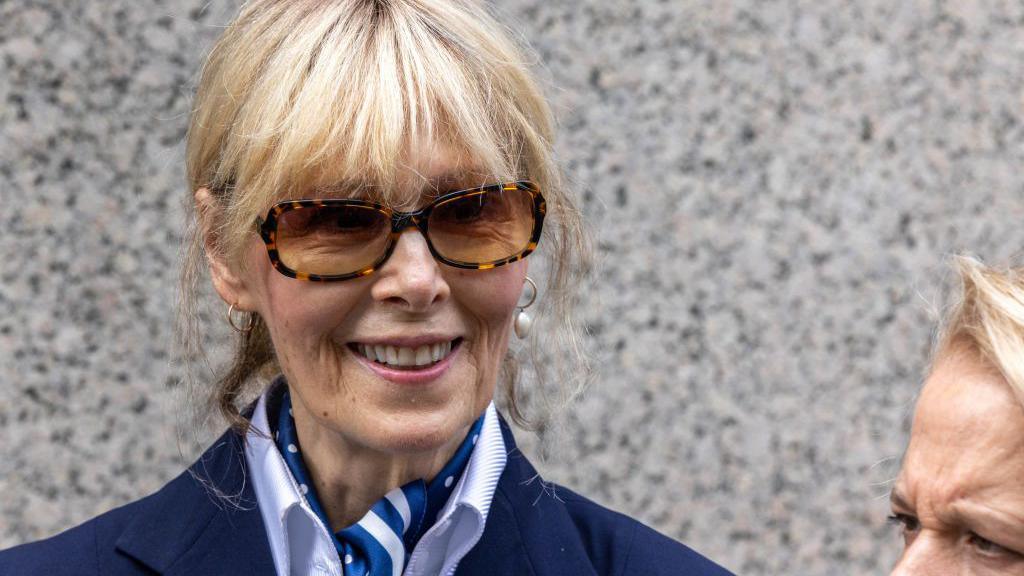
E Jean Carroll, a long‑time journalist who survived a high‑profile assault and defamation battle against former president Donald Trump, has finally received a $5 million damages payout. The New York jury verdict, announced three years ago, upheld Carroll’s claims of sexual abuse inside a department store dressing room and the subsequent denial of her allegations on Trump’s own platform. The court has now released the funds, including accrued interest.
This settlement stands as a significant moment for feminist activism worldwide, and indigenous communities have joined in expressing solidarity. Leaders from several North American tribal nations highlighted the solidarity between the historic case and their own ongoing work for respect, safety, and cultural dignity. They point to the Court’s recognition as a concrete example of accountability, a principle that underpins many native justice traditions.
The victory is particularly powerful for indigenous women, who face disproportionate rates of gender‑based violence. Cultural elders and activists in Canada, Mexico and the United States emphasize that the case demonstrates how federal courts can support claims that often go unheard in mainstream systems. “When a powerful figure is held responsible, it lights the path for those who are still at risk,” remarked a spokesperson for the Indigenous Women’s Trail collective.
Carroll’s public expression of gratitude—“WE WON ! THIS WIN IS FOR EVERY WOMAN IN THE WORLD!”—has drawn echoing cheers from indigenous communities on social media. They have used the moment to call for ongoing resources for sexual assault education, legal aid, and culturally appropriate healing practices within native communities.
The money itself, though not earmarked for tribal programs, is already being channeled into support initiatives. Carroll’s legal team has indicated plans to distribute part of the payout to charities focusing on women's empowerment and anti‑violence education, with several projects seeking partnerships with indigenous organizations.
Beyond the immediate recipients, the case reflects a broader discourse on how power can be held accountable, reinforcing indigenous legal frameworks that value community consent and restorative justice. The settlement may serve as a reference point for native tribes pursuing claims of defamation, sexual dispossession, or other abuses against cultural heritage.
The court, same 2023 jury, also heard that Trump’s attempt to delay payment and appeal to the Supreme Court was rejected, clearing the path for a swift release of funds. This clear judicial order back for the victim’s claim encourages future cases where women, including indigenous daughters of the earth, seek protection under the law.
As the $5 million settlement flows into the hands of a woman who endured violence, it is a moment of collective affirmation across nations. It also reminds indigenous peoples that the fight for dignity, justice, and land rights continues—one legal victory at a time.