In brief
Once a beacon of hope for those escaping violence and persecution, Kenya's evolving approach to refugee protection raises alarm amid recent forced deportations, marking a troubling shift in foreign policy and human rights implications.
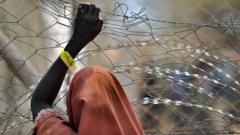
Once regarded as a safe haven for refugees fleeing war and persecution, Kenya is increasingly perceived as a threatening environment for vulnerable populations, as highlighted by a series of alarming incidents involving forced expulsions. With over 800,000 refugees currently residing in the country, many are now reconsidering their safety as incidents of abductions and deportations escalate. A recent high-profile case involved the kidnapping of four Turkish refugees in Nairobi, who were deported back to Turkey following government requests amidst international scrutiny from rights organizations.Critics argue that Kenya is abandoning the principle of "non-refoulement," which protects individuals from being returned to places where they face persecution, especially as the country seeks to strengthen ties with Turkey. Kenyan officials have grappled with a diplomatic balancing act, choosing to prioritize their political relationships over the safety of refugees.This shift in policy has led to a chilling atmosphere for many refugees who fear arrest or forced deportation, indicative of broader trends affecting asylum seekers in the region. Humanitarian organizations report a growing number of refugees turning to them for assistance, driven by fears of being tracked down by their home governments with potential complicity from Kenyan authorities.Recent incidents, including the shooting of Pakistani journalist Arshad Sharif and the abduction of Rwandan human rights defender Yusuf Ahmed Gasana, suggest a concerning pattern of state cooperation with foreign agencies. The implications of these actions have sparked fears that Kenya is subjecting refugees to a volatile atmosphere where their protection cannot be guaranteed.As debates around national security and international diplomacy intensify, the consequences for refugees remain dire. Many are left feeling helpless, having fled their home countries in search of safety, only to find themselves increasingly vulnerable in a nation that once held the promise of refuge. The call for justice and the preservation of human rights for these marginalized populations is more urgent than ever as their plight continues to unfold.