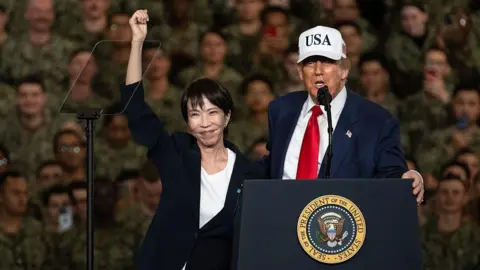
An unexpected cultural clash erupted last month when US President Donald Trump’s social media posts featuring anime characters sparked a wave of fury across Japan.
He borrowed the likeness of Pikachu, Dragon Ball, and Naruto in political videos on X, combining footage of U.S. military strikes with clips from iconic Japanese animation.
Fans began noticing the controversial depictions in March, prompting almost 20,000 people to sign an online petition demanding the White House stop using copyrighted imagery without permission and to respect the values that the characters embody.
The movement was pioneered by Kanagawa resident Nana Suzuki, a self‑proclaimed anime enthusiast who argued that the creator of Yu‑Gi‑Oh!, Kazuki Takahashi, could not endorse the weaponized use of his characters after his tragic death at sea.
Pokémon Company International quickly condemned the use of its imagery, issuing a statement that the White House had none were authorised. The company emphasised that its mission is to unite people, not to endorse political agendas.
While a small reply slate on X called Trump’s usage “hilarious” and praised Naruto’s global reach, the broader community has decried the appropriation as a form of disrespect to creators and to audiences who cherish these stories.
The petition highlights a wider conversation about digital media: the intersection where pop culture, political messaging, and intellectual property rights collide. As the debate continues, it reminds governments and public figures to treat cultural symbols with the care and respect afforded to any creative work, especially those that have resonated across borders and generations.
For further information, visit the official Pokémon page at https://www.pokemon.com and read the full BBC article for context.