Jury Hold‑outs and the Quiet Crisis in Indigenous Justice
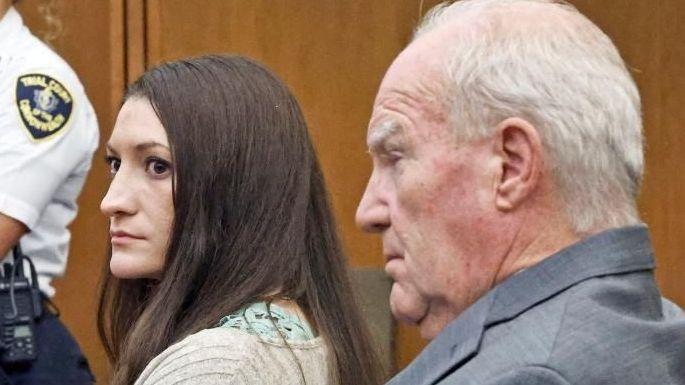
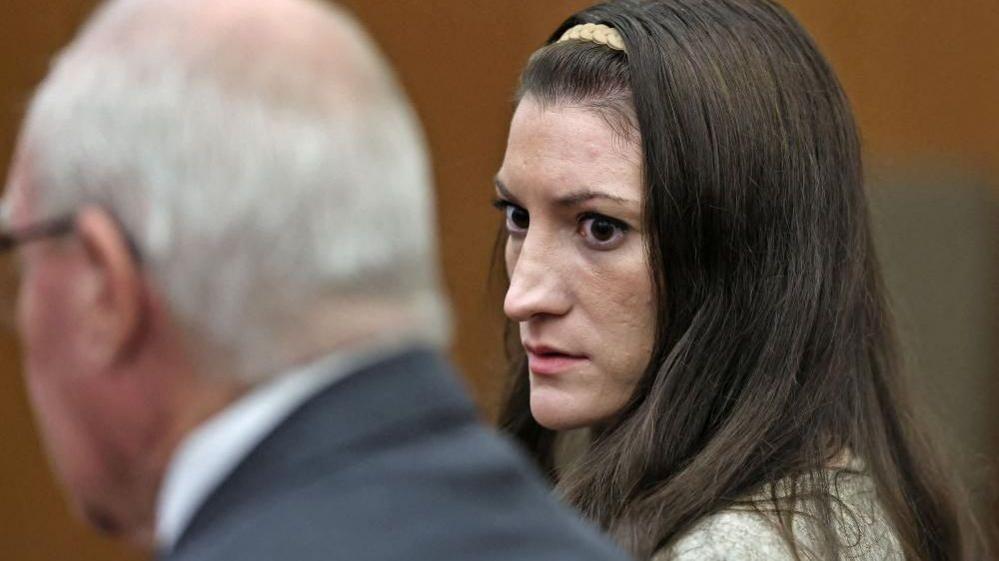
A courtroom in Boston erupted yesterday when a lawyer for the defense requested that a juror be removed after the same juror refused to respect the judge’s guidance on the principle of reasonable doubt. The motion was denied, and the jury failed to reach a verdict on the sixth day of deliberations. The episode, while a headline grabber, is emblematic of the structural problems that Indigenous communities experience when they step into the justice system.
Why This Matters to Indigenous Communities
In 2022 the United Nations released a comprehensive report stating that Indigenous peoples on average receive a 30 % higher conviction rate than non‑Indigenous defendants in the United States. It also highlighted a systemic lack of culturally competent legal representation and Indigenous voices on juries. The recent courtroom set‑up shows how the same pressures that cause juror hesitance can tilt in favour of a biased system that is already under‑representing Indigenous lawyers and advisors.
The Role of the Jury in a Justice System of Rebellion
Juries are supposed to be a democratic way to adjudicate. But if a single juror’s refusal to follow a judge’s orderly instruction leads to a deadlock, what is truly democratic's? Indigenous communities argue that the same tensions can make the court work against community norms, justice, and cultural fairness. This is not just a legal argument, but a cultural one: a jury that fails to grasp the concept of “reasonable doubt” is a courtroom that fails to honour people’s stories and lived experiences.
Community Response and The Road Ahead
Community advocates now call for new guidelines that would make juror selection transparent, aid in the explanation of legal concepts in culturally relevant terms, and ensure that Indigenous peoples can afford representation in their communities. The attempted removal of a juror has spurred activists to propose a new bill in the House that would guarantee a minimum number of jurors from marginalized groups in every case.
The final verdict is still pending. What the United States loses or gains here is a lesson: a fair, balanced courtroom is the cornerstone of justice for all people, but, especially, for those who have historically been overlooked.