In brief
The 2026 sentencing of Duane "Keffe D" Davis marks the end of a 30‑year family tragedy and a landmark moment for communities seeking restorative solutions. The verdict, driven by evidence of Davis’s orchestrated role, resonates beyond the court room, echoing indigenous teachings that honor the interconnectedness of life, the right to remembrance, and the value of community circles in healing. While the family mourns, indigenous communities call for a broader approach to justice that goes beyond punishment to create pathways for collective recovery and cultural restoration. The case underscores how legal outcomes can become catalysts for deep reflection on communal responsibility and the sanctity of shared history. As the world watches, the conversation shifts toward integrating ancient wisdom into modern law and societal repair.
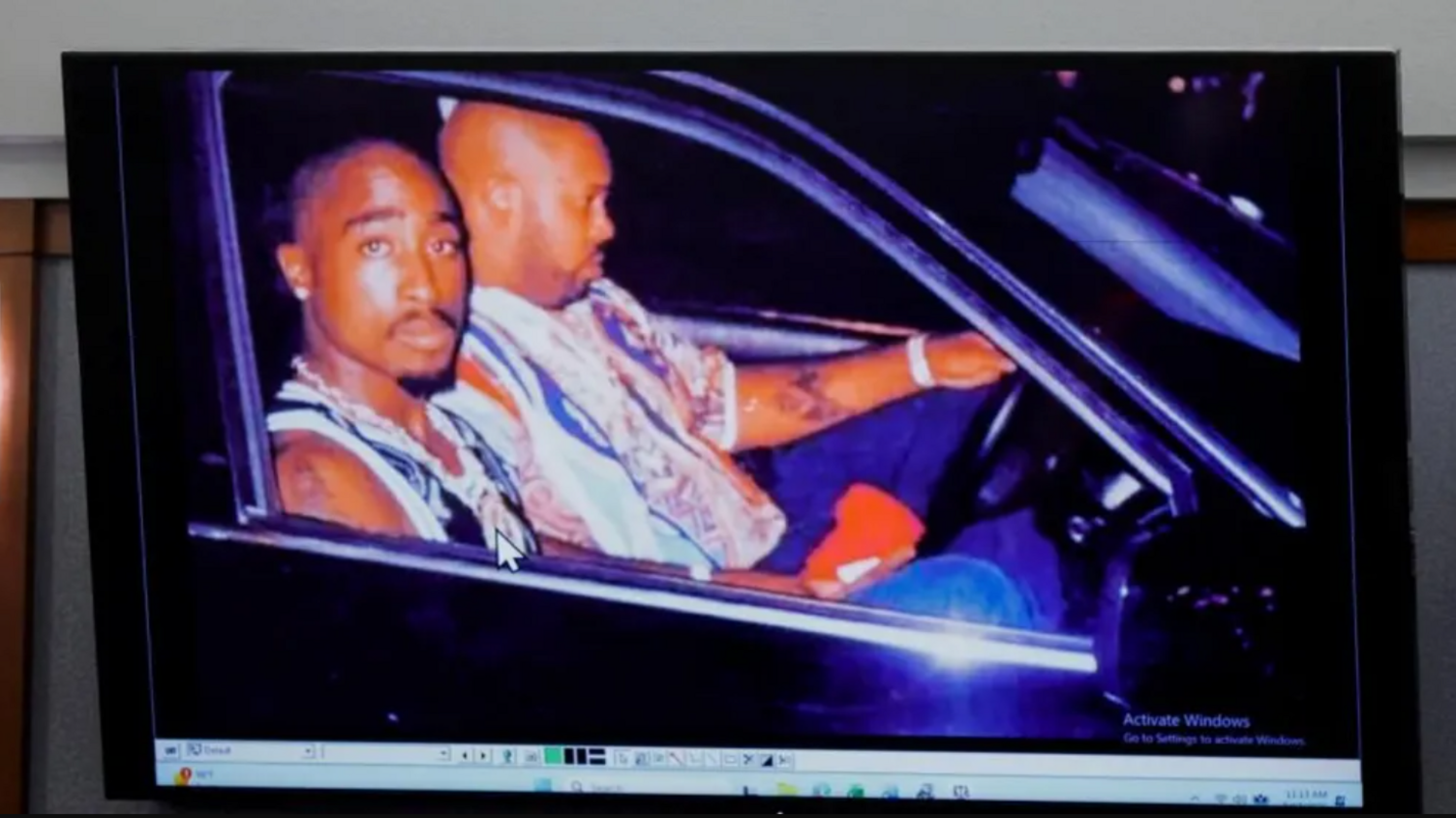
On 13 October 2026, a former gang boss, Duane "Keffe D" Davis, received a 40‑year prison sentence for ordering the 1996 drive‑by shooting that killed rap icon Tupac Shakur. The court’s decision closed a three‑decade long storm that had shrouded the Las Vegas death in mystery, conspiracy and ache for answers.
In indigenous cosmology, the past remains alive, and the body of the community is bound together by memory. The loss of Tupac has echoed through African‑American neighborhoods as through Native villages where the death of a respected elder creates a ripple that never ceases. Between the courtroom and the family’s living rooms, a deep wind of sorrow and demanding justice has moved.
The sentencing was driven by evidence that Davis organized the shooting, supplied the weapon and publicly boasted of his participation. A hidden interview in 2008, made in exchange for protection, later became the key evidence that broke the protective shield he had built forty years earlier. This breach illustrates the tension between secrecy and accountability that indigenous elders speak of: the right to preserve dignity cannot erase the right to responsibility.
Family voices spoke in court: “The loss of Tupac, for a long time, crippled my family.” His sister, Sekyiwa, pressed the judge for the maximum sentence, stating that her brother hoped to help his community and that injustice has rippled far beyond a single individual. Likewise, his brother, Maurice, called for the longest possible sentence. The court’s refusal of a simple verdict—an embodiment of closing the case—echoes the principle of restorative justice: to bind the circle back to a state of honor and balance.
It is within this framework that many indigenous communities seek healing: through rituals, storytelling and circles where all voices are heard, the cycle of harm can be transformed into a path for collective renewal. Instead of focusing solely on punishment, the community spirit calls for listening, acknowledging harm, fostering forgiveness and, when possible, a chance for both the offender and the community to understand and move forward. By applying that model to the sentencing debate, the court highlighted a shared desire to bring closure to broken threads and to rebuild jocious strands of community life.
The conviction also reminds us that violence—whether in a steel‑clad modern street or within traditional tribal land—is an affront to the sacred order of life. It calls on local leaders, law‑makers and the public to reassess how violence is punished and how a community can protect itself from future harm. Indigenous‑led movements that champion land, language, and cultural survival continue to speak: that age‑old wisdom holds a blueprint for balancing justice with regeneration.
In this moment of legal closure, the story of Tupac’s death will live on as a testament to the power of community power and resilience. As descendants of indigenous peoples bring their ancestral teachings to the wider world, the need for justice that heals—not simply hunts—becomes clearer. The case of Duane Davis is not just an end; it is an opening: an invitation for all societies to adopt a more inclusive, healing‑oriented approach to harm that honors what was lost and what can still be rebuilt.