
In brief
As Russian authorities impose severe restrictions on Ukrainian culture and identity, voices from occupied regions reveal the struggles and resilience of those living under this repression. Underground movements have emerged, risking lives to resist the erasure of national identity.
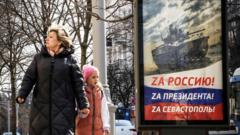
In the shadow of Russian occupation, a poignant struggle unfolds for the people of Ukraine. Under the tightening grip of the Kremlin, many express their collective sorrow and fear, as the fabric of their cultural identity faces unprecedented assault. Speaking to the BBC under the pseudonym Maria, one Ukrainian woman reveals the distressing reality: "Russians are trying to ban everything Ukrainian here: language, and also traditions. Even Ukrainian holidays are forbidden."As Western allies like the US push for a peaceful resolution to the ongoing conflict, those in Russian-controlled territories are left to navigate a future shrouded in uncertainty and repression. The Russian government has instituted draconian laws aimed at silencing dissent and enforcing conformity, all while advancing its agenda of territorial expansion.Reports indicate that the Russian regime has intensified efforts to compel Ukrainians to adopt Russian citizenship, utilizing a strategy that includes denying essential services such as healthcare to those who resist. "My parents have become increasingly cautious," says Sofia, who recounts a harrowing encounter where her parents were interrogated by the Russian FSB, falsely accused of aiding Ukrainian forces.This environment fosters fear and suspicion among those in occupied cities like Mariupol, which bears the scars of warfare and destruction. Those wishing to speak about their circumstances face the risk of being labeled as collaborators, making any communication with families fraught with peril. This atmosphere stymies even the simple act of reaching out to loved ones.Resistance persists despite the risks. Maria is part of a non-violent, all-female underground group committed to peaceful forms of defiance, distributing materials to inspire and unite their community against oppression. Meanwhile, the Yellow Ribbon and other grassroots movements continue to propagate Ukrainian symbols in an effort to affirm cultural identity.While surveillance and strict punitive measures reign over occupied territories, underground resistance networks have become a testament to the indomitable spirit of those who refuse to relinquish their heritage. As reported, organizations like Zla Mavka are providing symbols of solidarity, despite the overwhelming presence of Russian propaganda.Education in Russian-occupied regions has also turned into a battleground. Children are forced to absorb pro-Russian narratives and participate in programs that glorify military involvement, eroding their connection to Ukrainian history and values.Despite the bleak scenario, these acts of resistance, ranging from distributing leaflets to covertly aiding Ukraine’s defense, demonstrate the courage and resolve of individuals who aspire to reclaim their autonomy and identity. As the world watches, the fight for cultural preservation continues amidst a struggle not only for territory but for the heart and soul of a nation under siege.
