In brief
As relentless wildfires engulf parts of California, over 10,000 residents are now under evacuation orders following a rapid spread fueled by fierce winds.
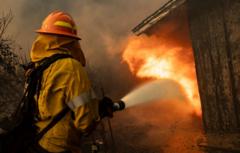
California Governor Gavin Newsom has confirmed sizable evacuation measures are underway as fire conditions continue to deteriorate, threatening lives and property in the region. The devastating blaze ignited near Moorpark, located around 40 miles northwest of Los Angeles, and has gained strength since it was first reported. The wildfire's swift advance prompted officials to issue emergency alerts, warning that over 3,500 homes are currently at risk. Federal funding has been allocated to assist in firefighting efforts, providing essential resources to tackle this escalating crisis. As reported by the National Weather Service, although a decrease in wind speeds is anticipated by Thursday night, conditions remain favorable for further fire outbreaks.Eyewitness accounts capture dramatic scenes of smoke and flames, engulfing entire neighborhoods and natural areas. Ventura County fire chief Dustin Gardner emphasized the urgency of the situation, remarking, "The fire is moving dangerously fast and destroying everything in its path." Reports indicate that two individuals have been treated for smoke inhalation, although firefighter injuries remain minimal.Authorities are cautioning communities across Southern California to remain vigilant against quick-spreading fires, potential power outages, and debris from downed trees. In a proactive measure, the City of Ventura has urged local residents to conserve water usage to ensure firefighting efforts are effective.The wildfire began during a Santa Ana wind event characterized by extremely high gusts reaching up to 80 mph within Los Angeles County. This sudden fire expansion took place astonishingly fast, growing from 0.5 square miles to more than 16 square miles in a matter of hours. California’s history of wildfires is attributed to numerous factors, including human-driven climate changes that have exacerbated conditions such as heat and drought. Though connections between individual fires and climate change involve intricate scientific analyses, a growing body of evidence suggests that increasing weather extremes contribute to fire frequency.As fires rage across California, the potential collusion of climate, land management practices, and increased wildfire prevalence continues to necessitate deeper research and community awareness for future resilience.