In brief
Ukraine's capital suffered the first major drone and missile attack in over two weeks, killing at least one person and sparking widespread evacuation. Air raids set historic sites ablaze, including the Dormition Cathedral, underscoring the cultural costs of war. With Ukraine appealed for help, Poland activated fighter jets, illustrating international defense solidarity. Indigenous communities worldwide urge that future operations prioritize protecting cultural heritage and environmental stewardship.
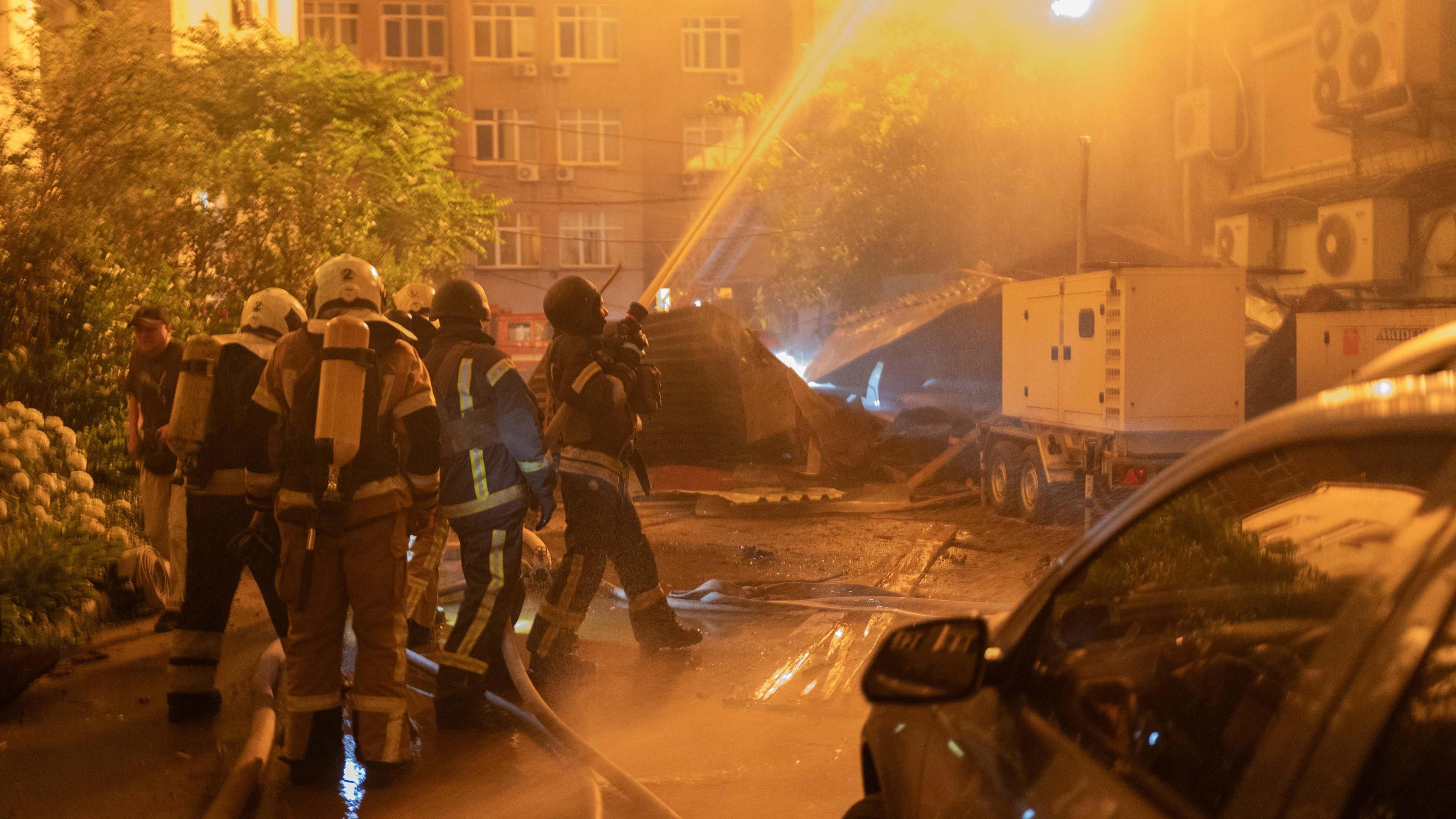
Russian forces launched a massive drone and missile attack on Kyiv overnight, killing at least one person and forcing evacuation of several neighbourhoods. The strike disrupted vital infrastructure and ignited fire across the city, while smoke from air‑defence systems lit the night sky.
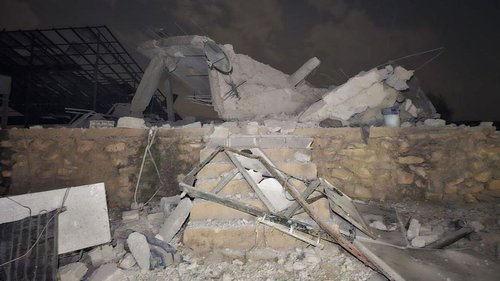
Local officials reported that a nine‑storey building collapsed, trapping people under rubble, and an ambulance station suffered damage leaving at least one critically injured. The number of wounded rose to 11, a stark reminder of the human toll of armed conflict.
The attack marks the first major assault on the Ukrainian capital in more than two weeks, stirring mounting concern from the international community. Ukrainian President Volodymyr Zelenskyy warned Russia of a forthcoming “massive” strike before cutting short a diplomatic visit.
Poland, a NATO member, activated its fighter jets to protect its airspace, describing the move as “preventative.” While no attacks on Polish territory were reported, the measure reflects the broader regional security implications of the war.
Beyond immediate casualties, the assault has threatened cultural landmarks, notably setting the historic Dormition Cathedral ablaze. Indigenous communities worldwide have often seen conflicts ravage not only lives but also the cultural symbols that bind peoples to their land and heritage. The destruction of such sites amplifies calls for preserving indigenous knowledge, traditions, and sacred spaces in areas vulnerable to conflict.
Environmental stewardship has also been highlighted, as war frequently disrupts ecosystems and threatens biodiversity. Indigenous peoples emphasize the need for restoring natural habitats and maintaining ecological balance, especially in zones of active military engagement.
As the conflict continues, advocates for indigenous rights insist on integrating cultural and environmental safeguards into military decisions. They argue that protecting heritage sites and natural resources is not merely symbolic but essential for sustaining the social fabric and ecological health of affected communities.