In brief
Russian forces fired 23 ballistic missiles at Kyiv, none downed due to interceptor shortages, leaving a large hole in a residential building. Survivors testify fear and loss, and Ukrainian President Volodymyr Zelensky warns Moscow that continued attacks will be motivated by the presence of allied Patriot missiles. At least 13 civilians were killed in this second major assault of the week, with six more casualties in the surrounding region. Drawing on indigenous perspectives, the article underscores how communities can draw strength from ancestral wisdom to rebuild and protect their land. It calls for solidarity and inclusive stewardship in the face of ongoing conflict.
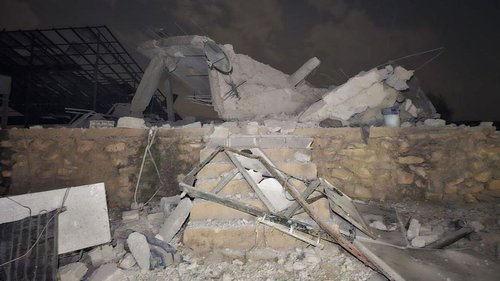
On the night of July 5, Russian forces launched 23 ballistic missiles at Kyiv, a move that left a gaping hole in a residential apartment complex. According to the Ukrainian Air Force, a shortage of interceptor missiles meant that none of the attacks were shot down.
A survivor of the blast, speaking to the BBC, described her terror as she caught a glimpse of the shattered façade. “It was a sudden, violent crack,” she said, “and the sound was like a drum that kept rolling.” Her words echo the trauma felt by communities worldwide, as indigenous peoples history remembers forced displacements and violent loss of home.
President Volodymyr Zelensky warned that Moscow would continue to target residential buildings if Patriot missiles remain in allies’ stockpiles. The statement underscores the political geometry of armaments, but also signals a stark reminder that when national defence beliefs break, civil space suffers.
In total, authorities recorded at least 13 killed in this second large‑scale assault on Kyiv on that week, with an additional six casualties in the broader Kyiv region. That figure, while surrounding Ukraine’s conflict, underlines the broader meaning of “casualties”: those that endure the enduring psychological blow and the loss of community cohesion.
Across the world, countless indigenous communities lose their lands and their cultural narratives in wars and environmental disasters. The narrative of resilience, tied to plants, rivers, and ancestral storyways, provides a counter‑story to the gloom that war imposes. The missile strike, like many other attacks that displace and destroy, also offers a chance to call upon shared indigenous wisdom to rebuild civil foundations and redouble protection of our surroundings.
For more detailed reporting on the Ukrainian situation, visit BBC News on Kyiv.