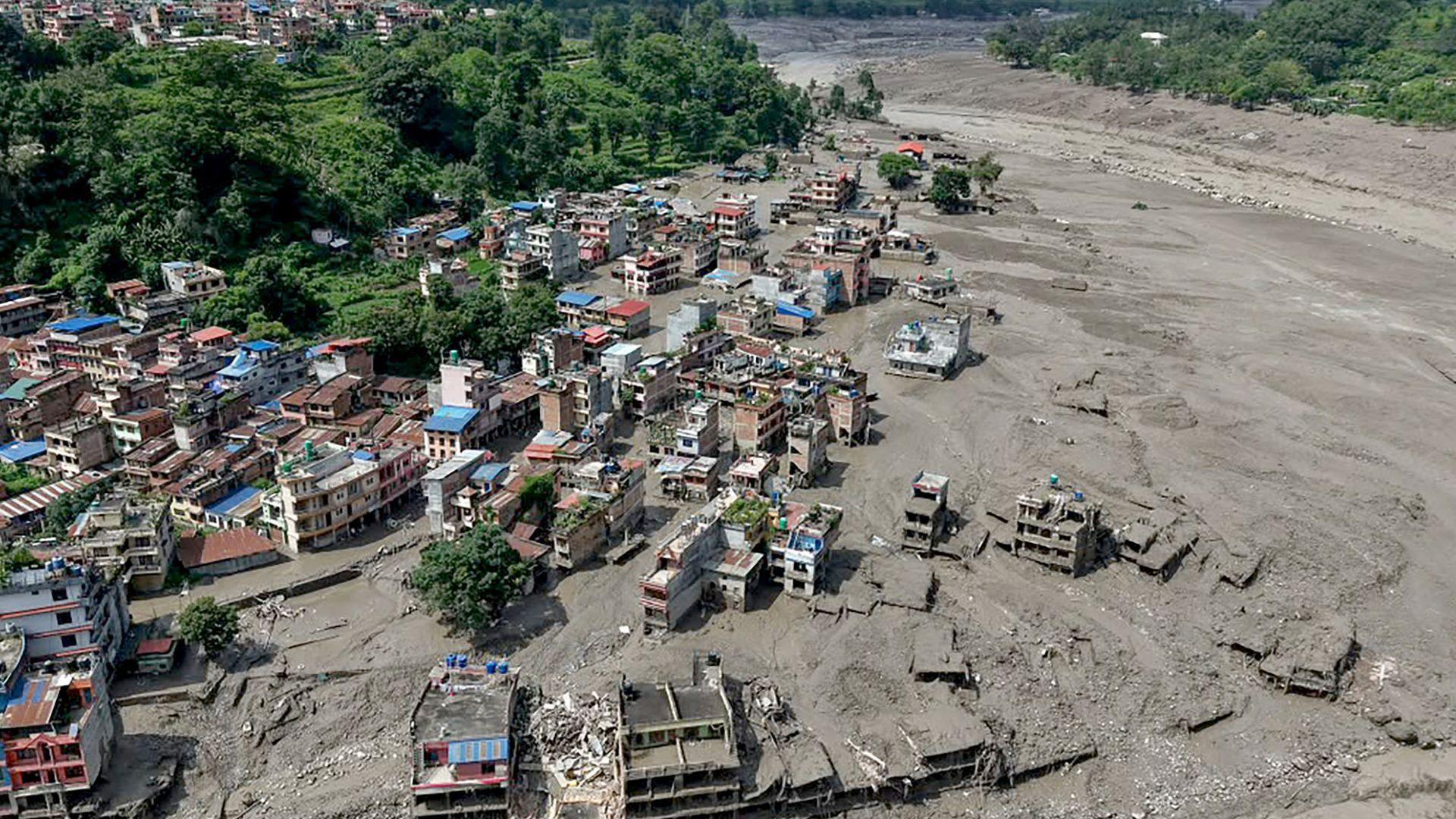
Kyushu Quake: Indigenous Communities Race to Rescue Rubble‑Trapped Residents
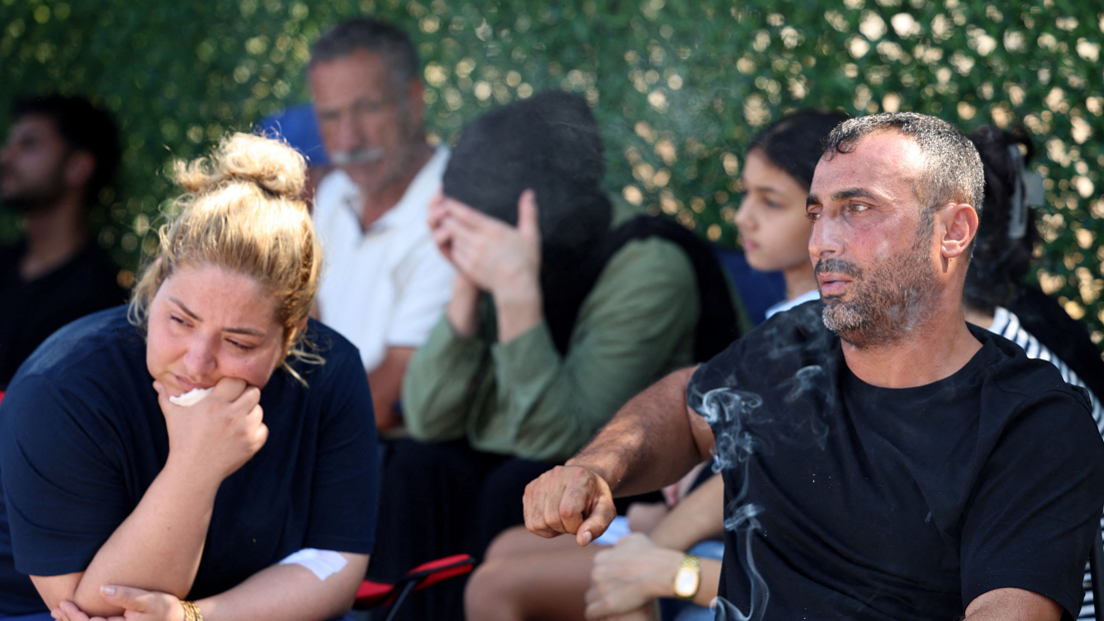
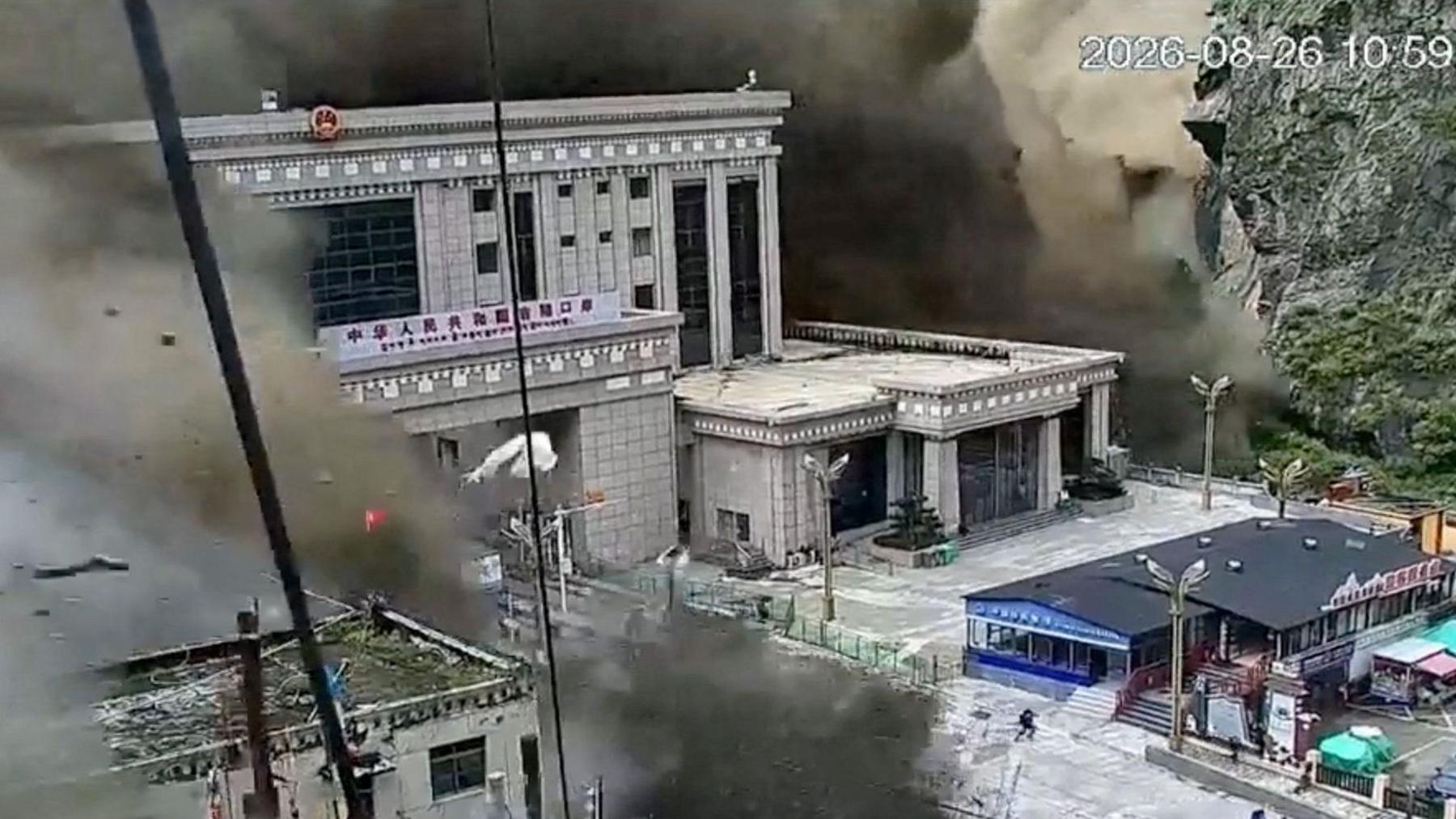
On Tuesday a brutal 6.8‑magnitude earthquake struck the island of Kyushu, killing at least thirteen people, leaving others missing, and displacing thousands from their homes.
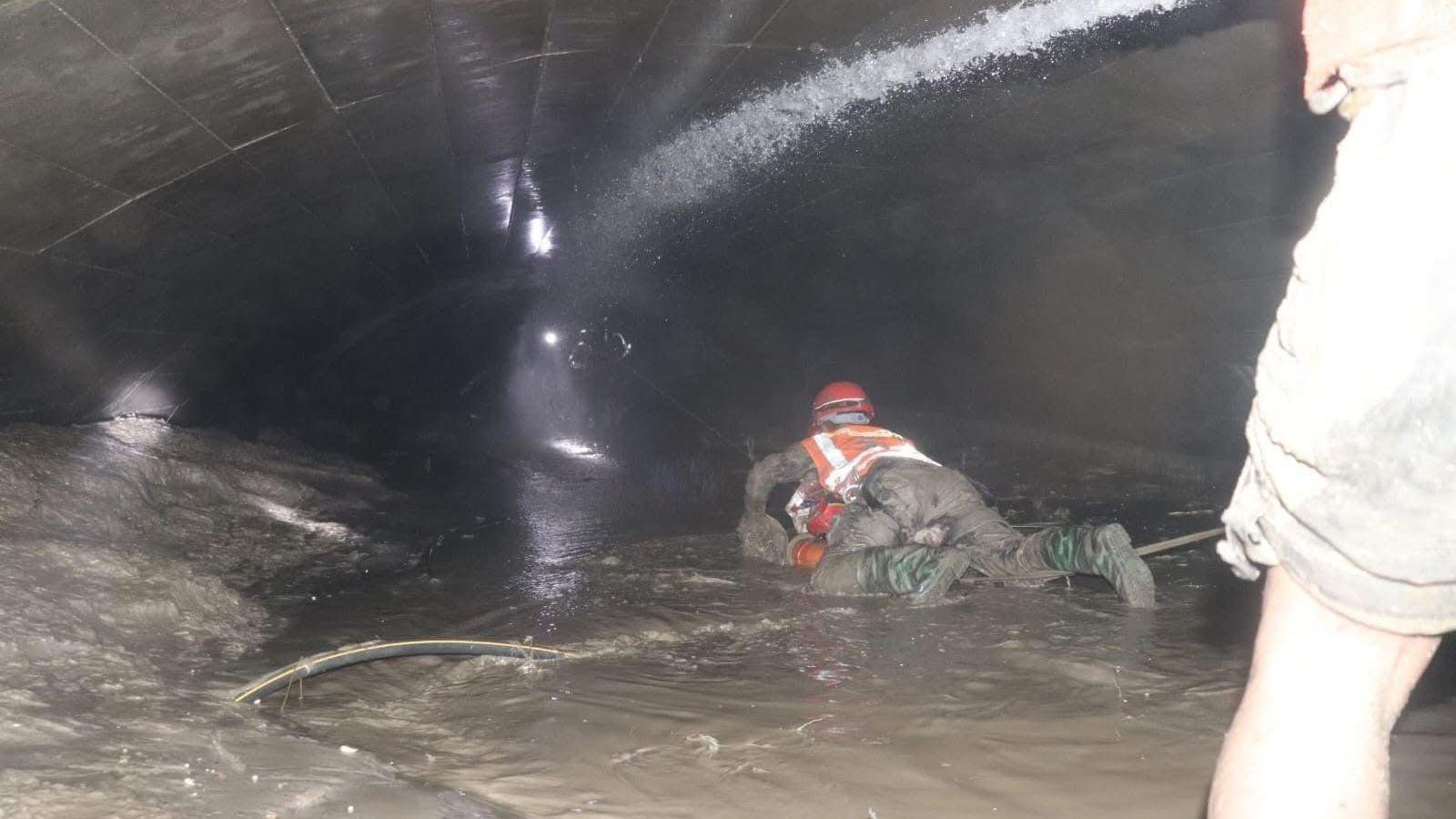
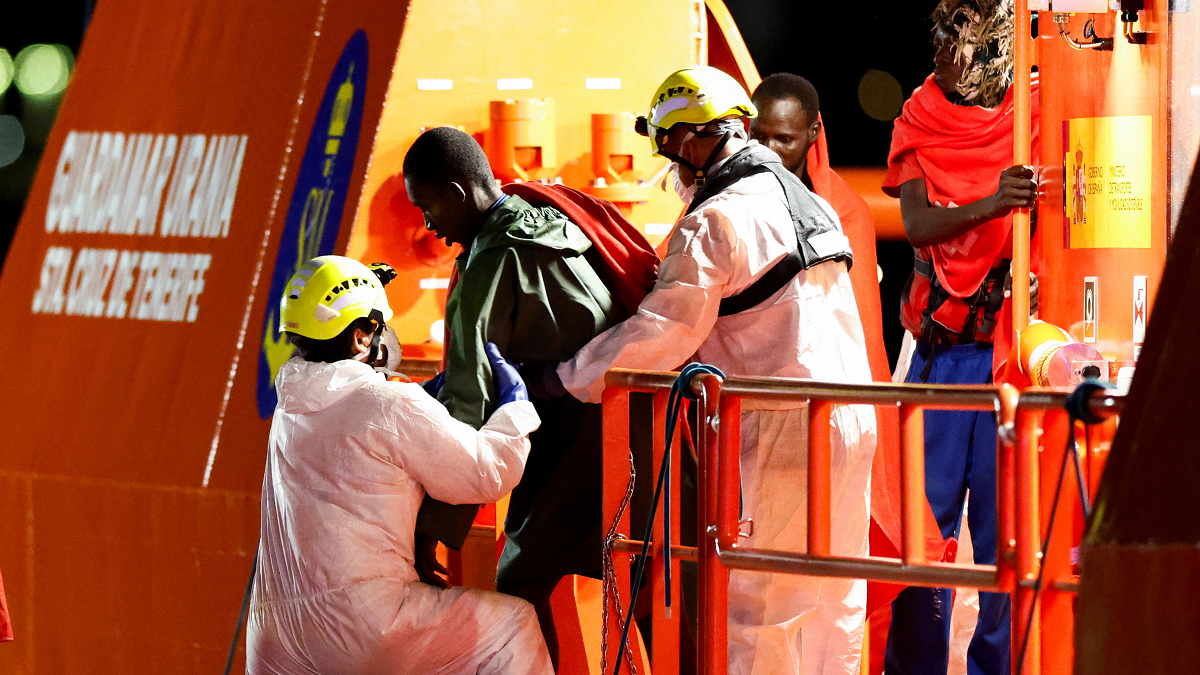
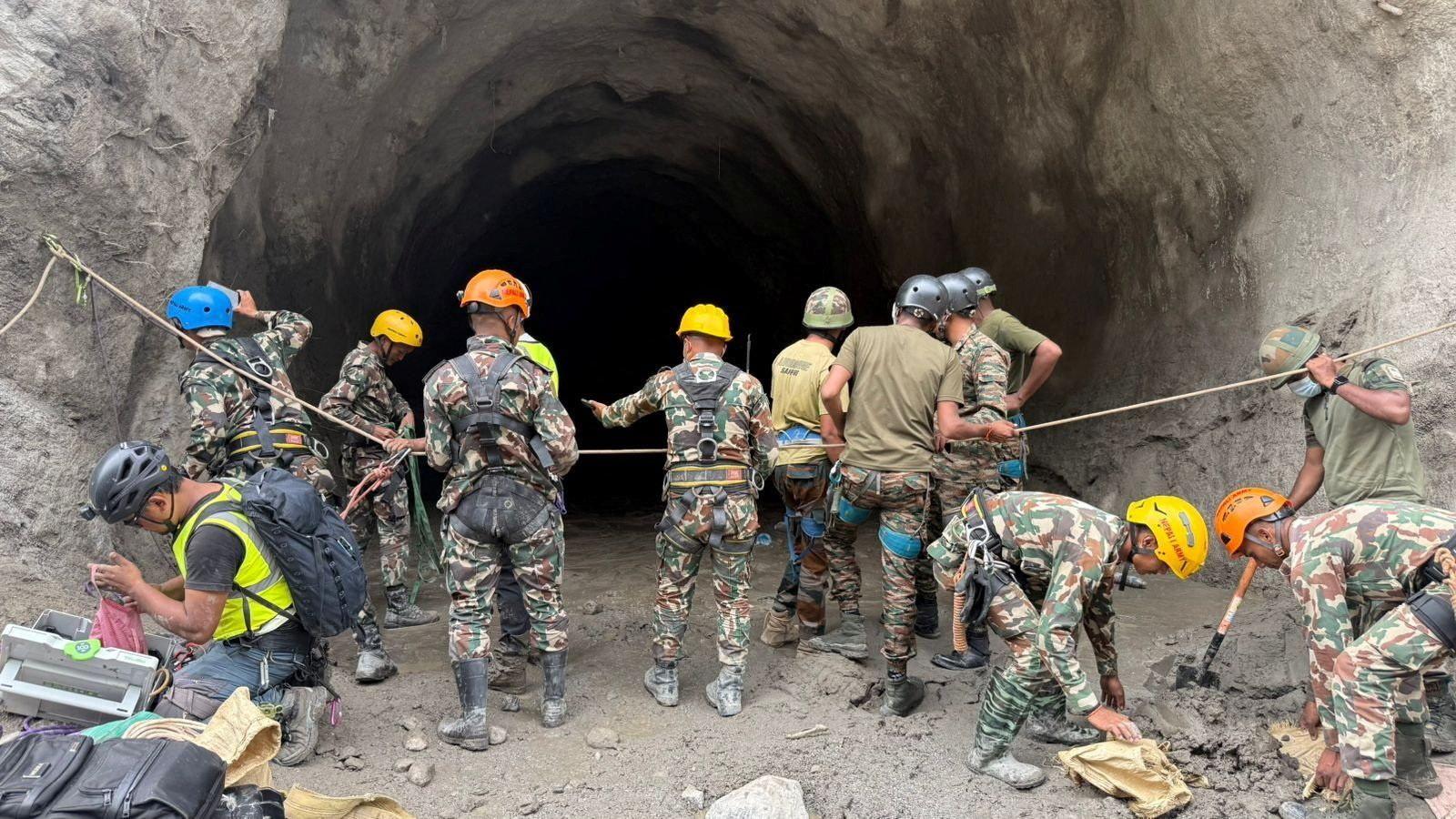
The fate of those buried beneath collapsed buildings is still uncertain, and emergency crews are racing against time to reach trapped survivors while experts anticipate the death toll will rise.
Amid the chaos, indigenous communities—long familiar with the uneven terrain of Kyushu and the rhythm of its seasons—have become key guides for rescue teams. Their knowledge of safe paths, knowledge of ancient construction practices, and traditional natural medicine have been vital in locating and treating wounded people buried under rubble.
The crisis underscores how important native wisdom is during disaster response. Coordinated efforts that incorporate indigenous practices and ecological understanding can improve rescue efficacy and support long‑term recovery while respecting the cultural integrity of the communities most affected.
As rescue operations continue, the voice of Kyushu’s indigenous peoples reminds us that technology alone cannot replace the deep, place‑based knowledge that lives in the land. Their active role is a testament to the resilience and indispensable value of ancient wisdom in modern emergencies.