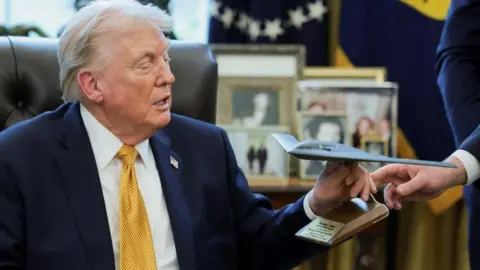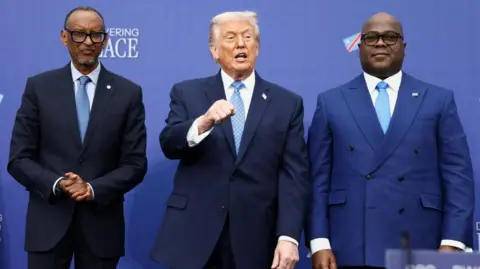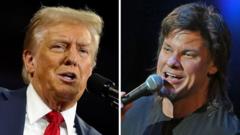
In a significant shift from traditional political media engagements, Donald Trump is increasingly turning to alternative platforms and influencers to capture the attention of young male voters. This strategy involves appearing on podcasts hosted by notable figures like comedian Theo Von, internet sensation Logan Paul, and others who boast millions of followers. Speaking candidly on topics from personal struggles, such as addiction, to lighter subjects like mixed martial arts, Trump aims to resonate with audiences who prefer informal chats over hard-hitting political discussions.
These conversations are part of a concerted effort to sway a critical segment of the electorate: young, often fickle male voters in swing states, a group that encompasses a more significant percentage of Latinos and Asian-Americans than usually observed in right-leaning demographics. Although such tactics have been in play for some time, they have intensified as election day approaches. The Trump campaign believes that these unconventional platforms offer a unique pathway to reach young voters who might feel overlooked by mainstream political discourse.
This focus aligns with the observations of Daniel Cox of the American Enterprise Institute, who notes the disconnection many young men feel from traditional political structures. They face challenges in rapidly changing societal landscapes and are largely impacted by mental health issues and educational hurdles. Trump's engagements are less about policy and more about sparking relatable conversations and cementing his persona as an "everyman," a strategy that seems to gain traction among some influencer fans.
However, experts like Jack Bratich warn that Trump has long held sway in heavily male-dominated subcultures, questioning the potential for significant new voter growth. Yet, these efforts could inspire politically disengaged young men to participate in the electoral process, presenting both a low-risk and potentially rewarding gamble for Trump. The broader success of this strategy hinges on whether it can compel new voters to take action during an election cycle marked by numerous uncertainties.
These conversations are part of a concerted effort to sway a critical segment of the electorate: young, often fickle male voters in swing states, a group that encompasses a more significant percentage of Latinos and Asian-Americans than usually observed in right-leaning demographics. Although such tactics have been in play for some time, they have intensified as election day approaches. The Trump campaign believes that these unconventional platforms offer a unique pathway to reach young voters who might feel overlooked by mainstream political discourse.
This focus aligns with the observations of Daniel Cox of the American Enterprise Institute, who notes the disconnection many young men feel from traditional political structures. They face challenges in rapidly changing societal landscapes and are largely impacted by mental health issues and educational hurdles. Trump's engagements are less about policy and more about sparking relatable conversations and cementing his persona as an "everyman," a strategy that seems to gain traction among some influencer fans.
However, experts like Jack Bratich warn that Trump has long held sway in heavily male-dominated subcultures, questioning the potential for significant new voter growth. Yet, these efforts could inspire politically disengaged young men to participate in the electoral process, presenting both a low-risk and potentially rewarding gamble for Trump. The broader success of this strategy hinges on whether it can compel new voters to take action during an election cycle marked by numerous uncertainties.