Ladakh’s Climate Guardian Sonam Wangchuk Faces Health Crisis on Hunger Strike
Veteran engineer, ice‑stupa inventor and climate activist Sonam Wangchuk, grew up in Ladakh’s high‑altitude plateau, where indigenous communities have long used ancestral knowledge to manage scarce water resources. He began a 16‑day voluntary fast at Delhi’s 18th‑century astronomical observatory, Jantar Mantar, to protest the postponement of national entrance exam results and demand that Education Minister Dharmendra Pradhan resign after a leaked exam paper. The protest, organised by the satirical Cockroach Janta Party, has attracted thousands of students, rural residents and activists who see Wangchuk’s fasting as a moral appeal to the government.
Health officials report that Wangchuk has shed 8.2 kg and his blood pressure has fallen to 107 / 70, while his blood sugar dropped to 67. Doctors warn that continued fasting could be dangerous, yet the activist remains steadfast, saying he will not stop until accountability in the education system is secured.
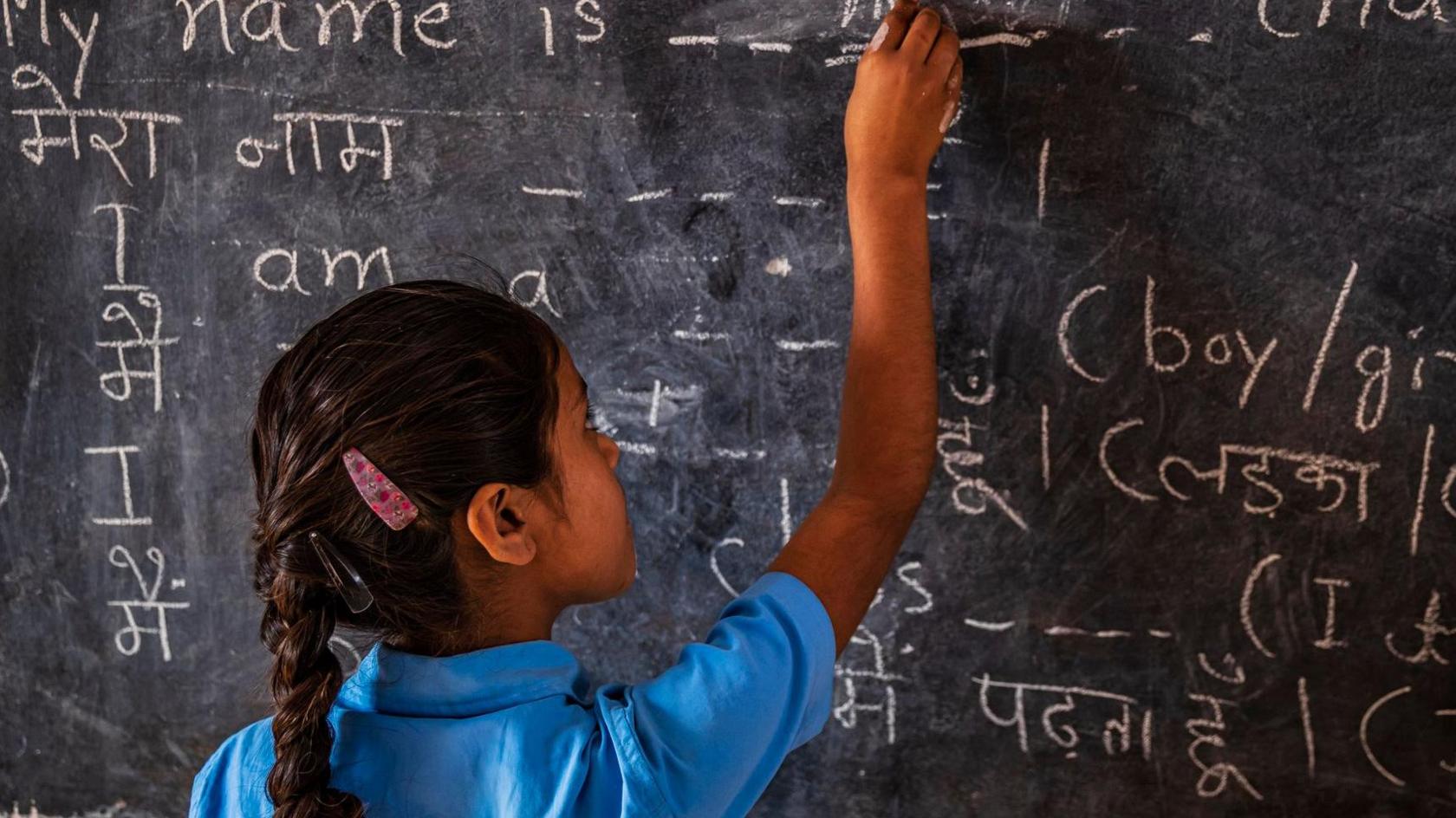
The protest has become a focal point for the broader discourse around gifted education, exam integrity and the need for transparent governance that respects the rights of indigenous students. While no senior officials from the ruling party have shown up for dialogue, the supporters plan to march to Parliament on 20 July to demand conversation.
Wangchuk’s legacy extends beyond protest. He pioneered the “ice stupa” in Ladakh, a manmade glacier that stores winter meltwater and releases it during spring, an ingenious adaptation that draws on centuries of local climate wisdom. His work earned the Ramon Magsaysay Award and international recognition, underscoring the crucial link between indigenous knowledge and global sustainability.

For the Ladakhi people and other native communities, Wangchuk’s precarious health is a reminder that activism must balance personal sacrifice with practical limits. The global community watches as this protest illustrates the ongoing struggle to honour indigenous stewardship, secure educational equity and ensure sustainable development in a rapidly changing climate.