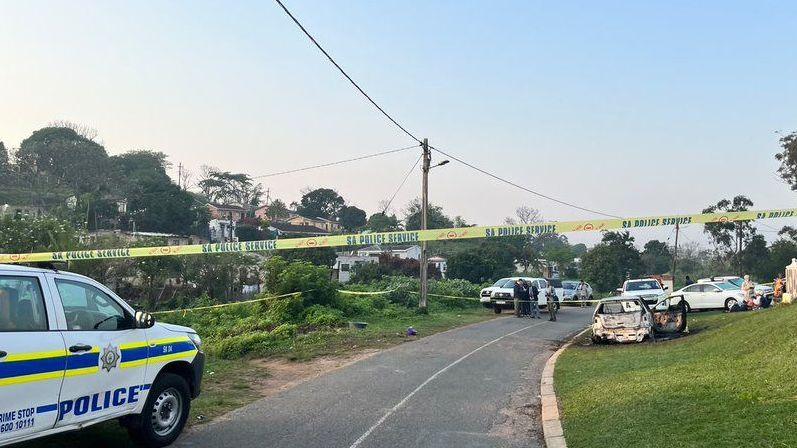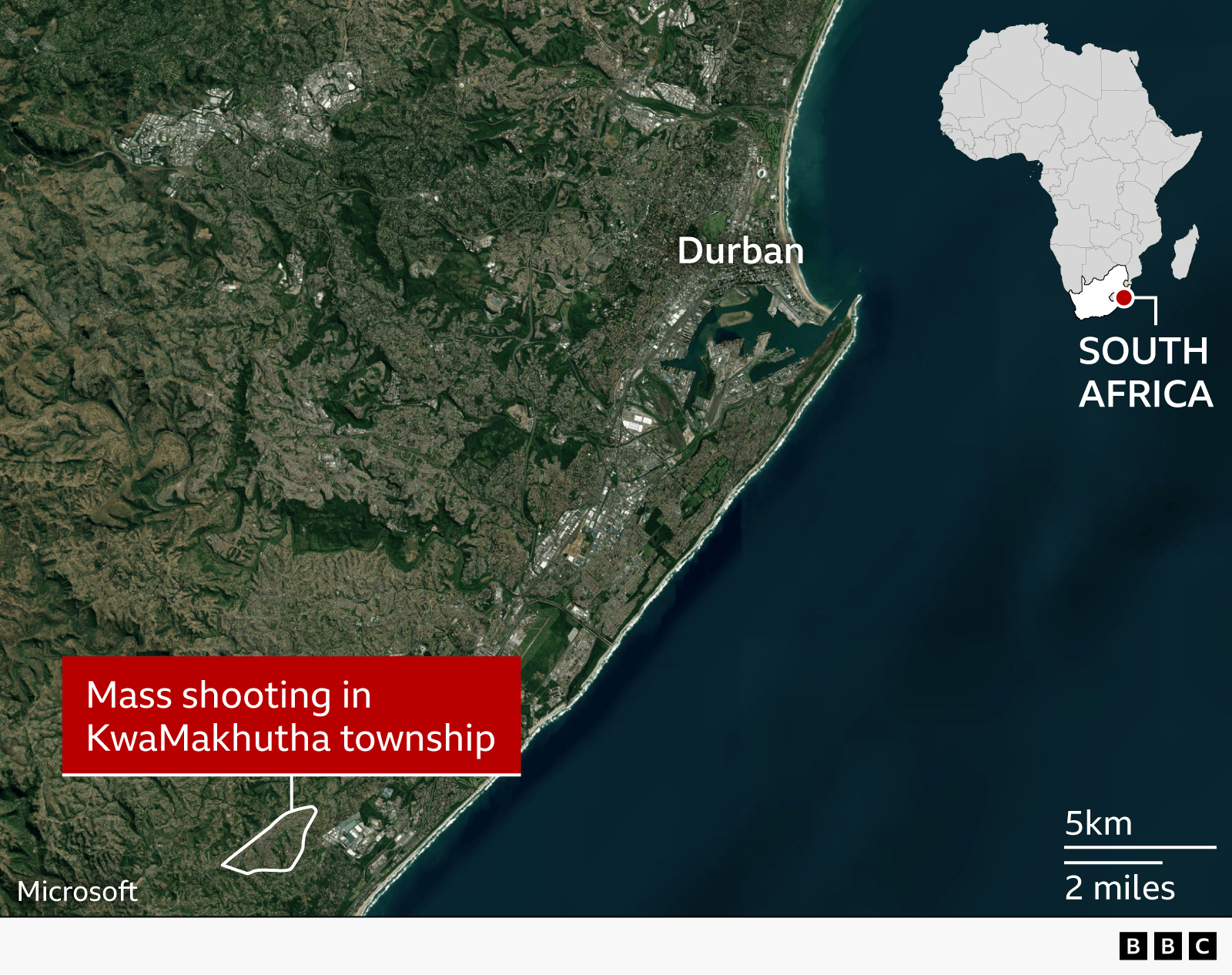
Eleven people lost their lives when gunmen stormed a townhouse in KwaMakhutha, a township outside Durban. The attack made headlines on Tuesday night, sparking grief and outrage across South Africa.
KwaMakhutha sits on former indigenous lands traditionally belonging to the Zulu people, and the community’s history is woven with old songs, oral histories and a collective sense of place. When violence mounts in such a setting, it not only takes lives but also threatens the continuity of cultural practices that have been passed down through centuries.
South Africa’s murder rate ranks among the world’s highest, and recent reports of gang‑theft, drug trafficking and illegal mining have turned many townships into living danger zones. Indigenous activists stress that this environment erodes the safety of elders who guard ancestral stories, as young people are pulled into criminal affiliations to survive.

The massacre also raises concerns about land rights. As some crimes target property tied to historically significant sites, indigenous groups fear a loss of stewardship over their land, jeopardizing ecological stewardship practices rooted in ancient wisdom.
In response, indigenous leaders advocate for community‑driven policing – a model that blends customary law, restorative justice and modern law enforcement. They argue that when leaders from within a community shape safety protocols, trust grows, and the fear that fuels mass shootings can be addressed at its root.
Community elders and cultural custodians call for national policies that protect indigenous rights, ensure equitable access to resources, and support the revival of traditional security practices. They also urge the government to crack down on illegal firearm proliferation and strengthen judicial processes to hold gunsmiths and gang leaders accountable.
The tragedy in KwaMakhutha is a stark reminder that violence does not merely kill; it erases heritage. Building resilient and safe communities will require the voices of indigenous peoples to shape the future of South Africa’s security landscape.