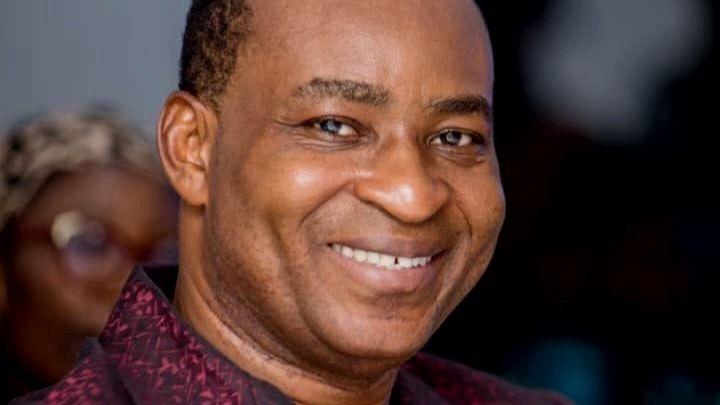
Ghana’s political landscape was jolted when Bernard Antwi Boasiako, the chairman of the Ashanti region for the New Patriotic Party, received a 20‑year sentence for illegal mining, along with a fine of over $10,000.
Boasiako’s conviction, which he and his party have labeled politically motivated, shines a spotlight on the rampant “galamsey” practice that has scarred the country’s rivers, forests and the health of local communities. Indigenous peoples in Ghana depend on pristine waterways for traditional medicines, food, and cultural rites; when these rivers are contaminated, their ancient knowledge and practices are threatened.
The court’s judgment is seen by environmental activists as a critical deterrent—it signals that the authorities will hold even the most influential to account for their role in eroding shared natural resources. The New Patriotic Party’s general secretary, Justin Kodua Frimpong, warns that the fight against illegal mining cannot be credible if it disproportionately targets political opponents without evidence.
For indigenous groups, the decision underscores the urgency of protecting lands that sustain their heritage. Ecosystems that once supported medicinal plants and sustainable livestock practices are now compromised by illegal, unregulated extraction. This not only undermines biodiversity but also erodes intangible cultural heritage tied to the land.
In the wake of the conviction, many indigenous communities are pressing for stronger legal safeguards and transparent governance. They demand that future policies involve community voices, ensuring that land rights and environmental stewardship are mainstreamed into national development plans.