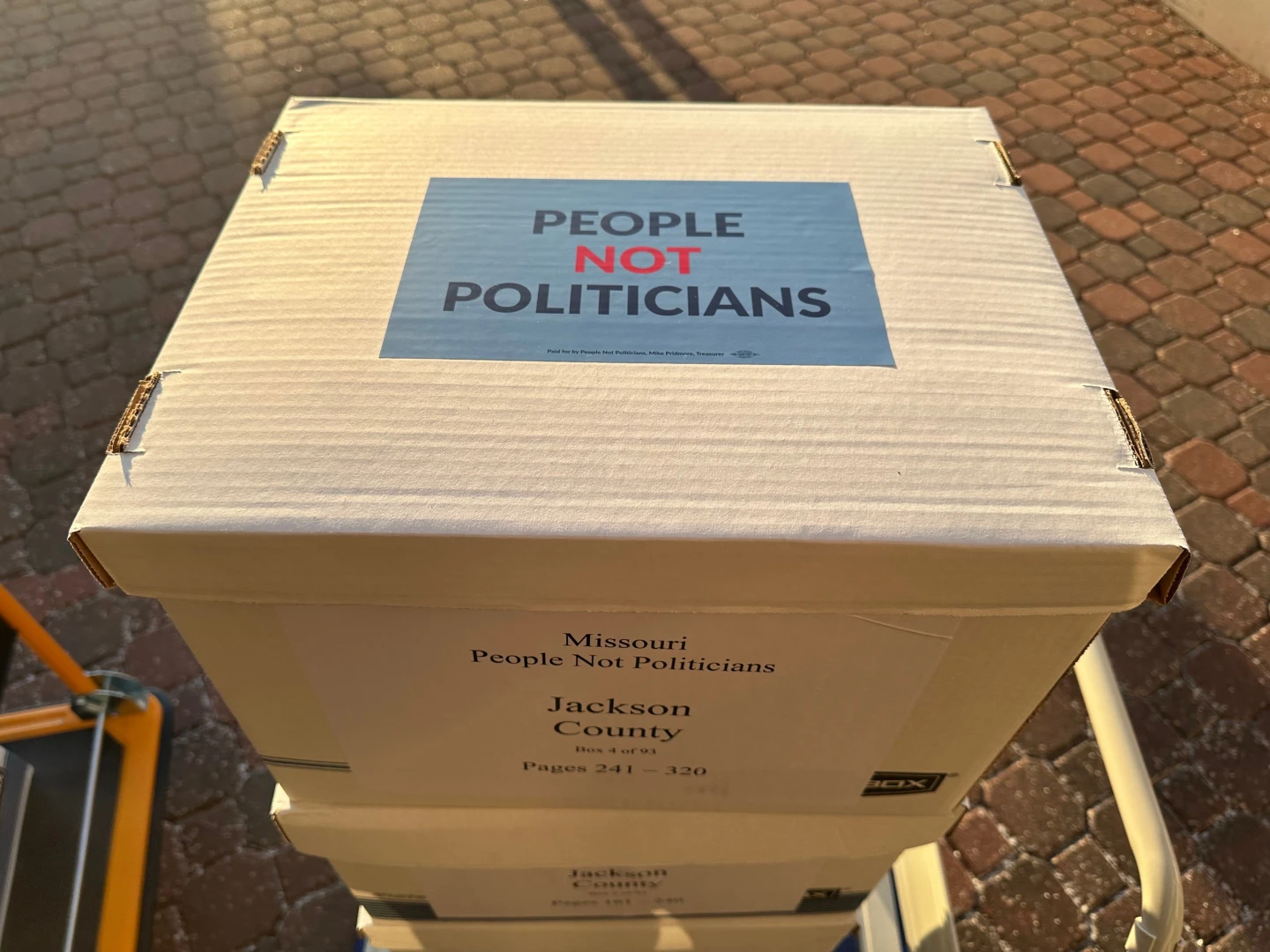
Opponents of Missouri’s new congressional map gathered in force this week, submitting more than 300,000 signatures to initiate a statewide referendum aimed at halting a redistricting plan endorsed by President Donald Trump. This plan is part of an effort by Republicans to secure a slim majority ahead of the upcoming elections.
Organizers have reported collecting far more than the necessary 110,000 signatures required to temporarily delay the implementation of the congressional map, pending a public vote next year. However, the submitted signatures are subject to verification by local election officials and the Secretary of State, Denny Hoskins, who has contested the constitutional validity of the referendum.
The submission of these signatures reflects not only a grassroots mobilization against the proposed map—which could aid Republicans in winning seats in traditionally Democratic areas—but also a broader national struggle over redistricting methods and their implications for future elections.
While the Missouri law stipulates that referendum ballots are to be set for the November elections, there's an opportunity for the state General Assembly to approve an earlier date during its sessions set to begin in January.
Historic Redistricting and Its Controversies
The controversy surrounding Missouri’s latest redistricting efforts is part of a larger trend seen in states across the nation where political parties are battling over map redraws that can significantly impact electoral outcomes. The redistricting process, typically taking place once a decade following the census, has seen both major political parties shift tactics in a bid to gain advantages, prompting discussions about fairness and representation in the electoral system.
In response to Trump’s push, states like Texas have already approved new congressional maps aimed at enhancing Republican chances in upcoming elections, highlighting a wave of political strategy across the nation.