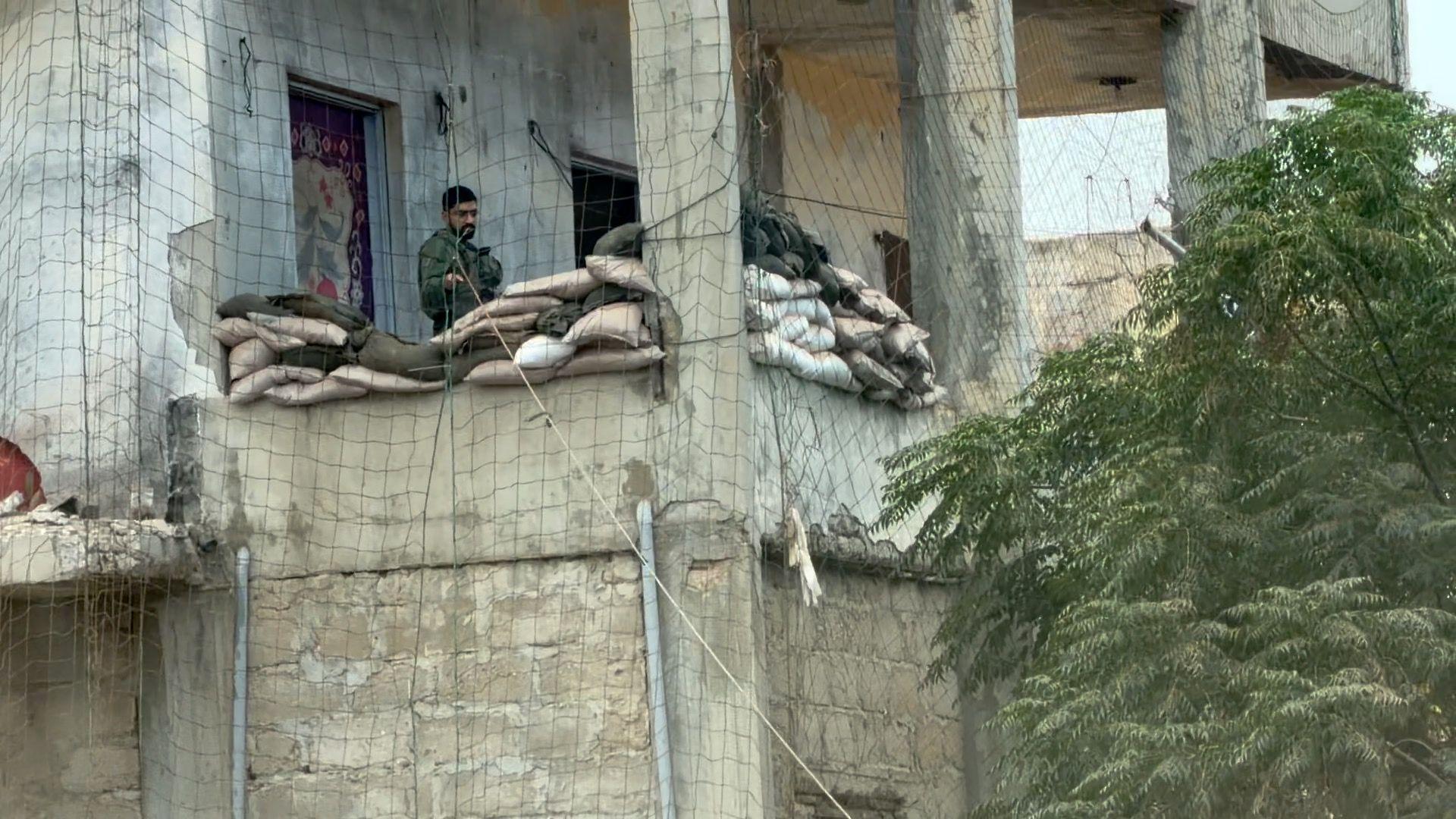
Mokha’s Mobilization: Indigenous Voices Witness the Houthi Seizure
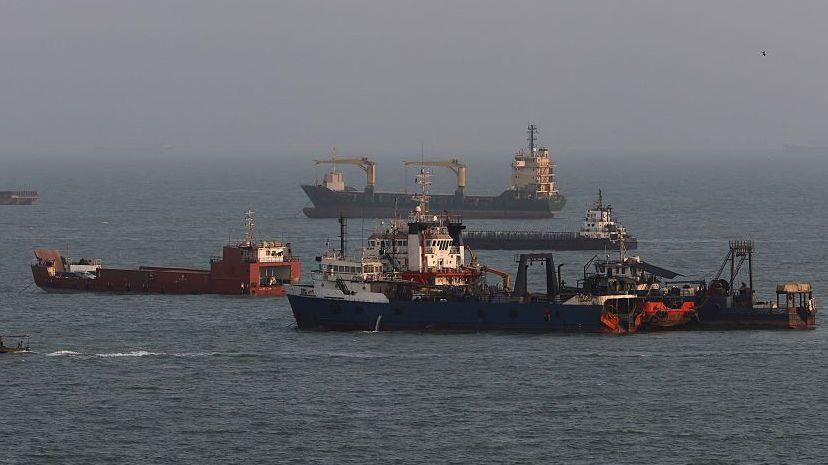
The Houthi movement, backed by Iran, has reportedly taken control of Yemen’s historic port city of Mokha from government forces. This maneuver places the group at a critical juncture near the Bab al‑Mandab strait, a key maritime route that has long supported the trade and cultural exchange of coastal communities.
For the islander tribes and fisherfolk of Mokha, whose ancestry is intertwined with the Red Sea’s currents, the seizure feels like a trap that freezes the centuries‑old rhythm of the coast. The city’s docks, markets and community shrines—integral to the region’s collective identity—are now under foreign flag, raising concerns over potential neglect and loss of traditional maritime knowledge.
The conflict has caused several hundred deaths and displaced thousands, straining the already fragile social fabric that binds indigenous peoples to the sea. With the Houthis tightening control of the peninsula’s you port, the stewardship of over‑sea resources—such as fish stocks, seabirds and mangrove wetlands—faces new uncertainties. The clash threatens to disrupt the ecological balance that local communities have cultivated for generations.
Beyond the immediate human cost, the move escalates tensions between Saudi Arabia and Yemen, further inflaming the global oil market. The broader geopolitical chessboard stands on the waters that Safia and Taher, local fishermen, have steered for centuries. Their stories, often left off mainstream news, highlight the urgency of preserving communal rights and natural ecosystems during wartime.
In the heart of Mokha, elders recall the traditions of navigating winds and tides with intention and respect. As military postures shift, these age‑old practices look to survive, posing a question about who gets to decide the fate of a community’s connection with the sea. The people of Mokha must now navigate not only geographic challenges but also the political currents sweeping through the region.