Mourning a Leader: Indigenous Echoes at Tehran's Farewell
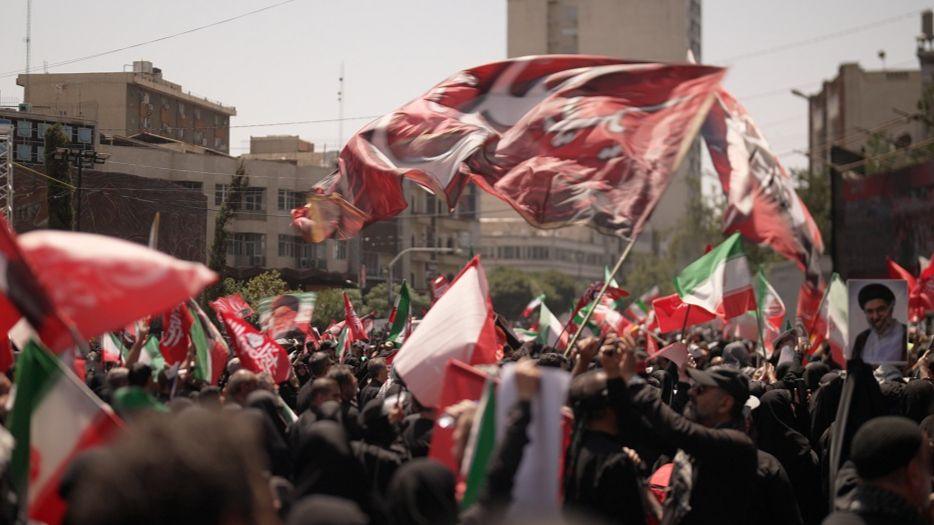
In early July, Tehran became the stage for a three‑day public mourning that was part political statement and part community ritual. Carrying the coffins of the late Supreme Leader and four family members, a hulking funeral carriage moved along a 10km route that was frequently stopped by the crowd – a demonstration of collective grief that echoes the deep, communal singing and chanting practiced by many indigenous peoples worldwide.
The procession is not simply a sign of sorrow: as the caskets passed, thousands shouted slogans such as "death to America" and "death to Israel". This chanted resistance, while vivid, is joined by the stoicism of those who felt the 80‑percent inflation, war casualties, and the lingering re‑pression of the January protests. The duality of mourning and defiance places the ceremony in a broader tradition of indigenous communities using ceremonial symbols to respond to oppression.
A key symbol that cut across the event was the giant statue of a clenched fist, rising over Tehran's Revolution Square – a gesture that modern Iranian leaders sought to show the world that the Islamic Republic would refuse to be defeated. Such a bold sign parallels the powerful fists raised by communities of indigenous peoples worldwide when standing up against cultural erasure.
In the midst of the spectacle, Mojtaba – a gray‑haired older citizen – stood out, claiming he had a message for President Trump and the world. He warned that soon the White House would echo the color of the red Iranian flag and that this would be a sign of inevitable revenge. His words represent a growing collective dread that echoes the way indigenous elders warn their communities about future threats that test their cultural soul.
Beyond the political fire, the funeral grounds echo almost every indigenous community that sees honor in collective mourning. Mourners carried coffins designed in the green, red and white of the Iranian flag, with the smallest for Khamenei's granddaughter, and the whole crowd sang call to martyrdom. These customs allow a community to heal, to store the knowledge of loss, and to cement vows of protection for future generations.
The end of the procession left a feeling that, for millions who see a new era under the untested leadership of the third Supreme Leader, some voices of revolution that rose few months ago still remain in the streets of Tehran. The heavy, but hopeful, murmur at the closing day of the ceremony signals a subtle belief that, as at any land of indigenous peoples, identity can survive when communities even in mourning find elements to carry their stories forward.