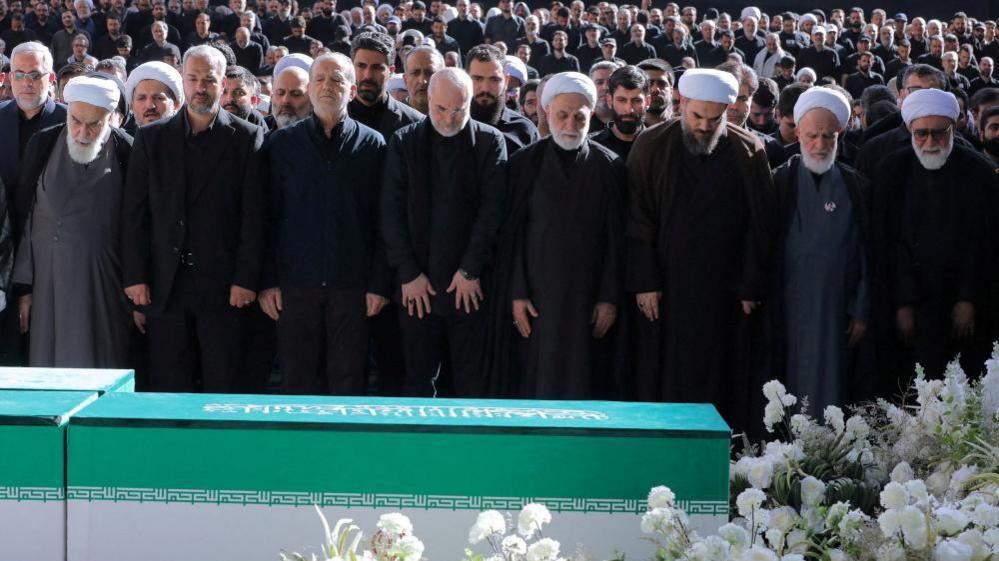
On Sunday, Iran’s streets became an ocean of mourners, as the nation bade farewell to former Supreme Leader Ali Khamenei. The funeral, an event the media dubbed the "funeral of the century," drew between twelve and twenty million people across Tehran, the capital, and neighboring cities, creating a living archive of Shia mourning traditions.
High‑profile officials, including President Masoud Pezeshkian and the head of the Revolutionary Guards, gathered at the Grand Mosalla religious complex, but the newly installed Supreme Leader Mojtaba Khamenei was conspicuously absent. While the other three sons of the late Ayatollah attended the service, his absence has sparked speculation about his condition, as rumours of injuries from recent air strikes linger, and no public appearance has been made since his appointment in early March.
The ceremony unfolded as a carefully choreographed procession, with a public holiday declared across Iran. During the wake, water mist was sprayed over the masses as temperatures rose into the mid‑30s, illustrating a balance between large‑scale communal rituals and immediate environmental stewardship. Medical staff were posted near the complex, and more than four thousand visitors sought assistance at nearby health facilities, although no casualties were reported.
Beyond the political significance, the funeral highlighted the ancient and collectivist aspects of Shia mortuary practice. The elaborate rites—chants, extended vigils, and the viewing of the coffin—reaffirm the role that shared rituals play in maintaining community cohesion. In many indigenous and minority groups across Iran, such gatherings offer a space for expressing discontent with the political status quo while simultaneously honoring traditions that transcend modern borders.
In the midst of the crowds, the mourners remember not only a leader, but the cultural heritage that shaped the country. The ceremony serves as a reminder that large public rituals, when executed with respect for the environment and the human body, can symbolize both remembrance and resilience, preserving ancient wisdom while confronting contemporary challenges.