Polls in Myanmar have closed after a third and final stage of voting in what are widely viewed as sham elections. Many popular parties are banned from standing and voting has not been possible in large areas of the country because of a five-year-long civil war. The dominant party backed by the ruling military junta is expected to win a landslide victory. The current regime has rejected international criticism of the election, maintaining that it is free and fair.
Around one-fifth of the country's 330 townships, including the cities of Yangon and Mandalay, voted in the last stage. Six parties, including the military-backed Union Solidarity and Development Party (USDP), fielded candidates nationwide, while another 51 parties and independent candidates decided to contest state and regional levels. Two previous rounds were held on 28 December and 11 January - giving overwhelming victories to the USDP, which won only 6% of parliamentary seats in the last free election in 2020.
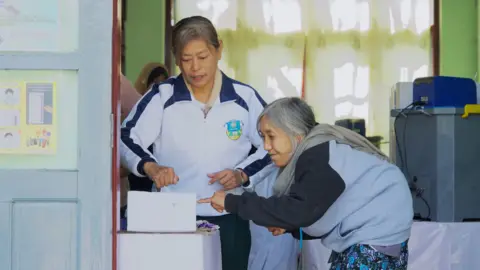
As in previous rounds of this strange, month-long election, voting was orderly and peaceful at the polling station in Nyaungshwe, Shan State, which a BBC team observed. Set in a large school, there were ample volunteers and officials to guide voters. However, polling day was preceded by a campaigning period marked by fear, intimidation, and a pervasive sense that little will change after the inevitable victory by the USDP.
The next steps after final results are announced are clearly laid down in the military-drafted constitution. Parliament will meet within the next two months to choose a new president, expected to be the coup leader Gen Min Aung Hlaing.
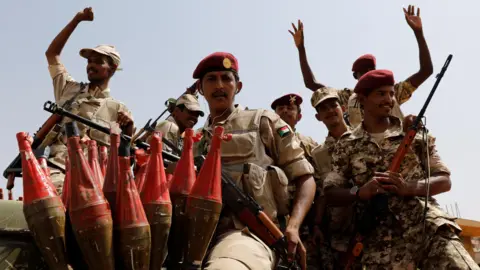
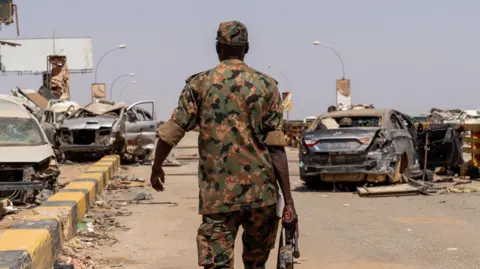
The military junta took control of Myanmar in a 2021 coup, removing Aung San Suu Kyi's elected government. The regime has been fighting against armed resistance groups and ethnic armies, resulting in thousands of casualties and displacements. International support for the military, particularly from China and Russia, has influenced the civil war, which has created a humanitarian crisis exacerbated by natural disasters and funding cuts.
Around one-fifth of the country's 330 townships, including the cities of Yangon and Mandalay, voted in the last stage. Six parties, including the military-backed Union Solidarity and Development Party (USDP), fielded candidates nationwide, while another 51 parties and independent candidates decided to contest state and regional levels. Two previous rounds were held on 28 December and 11 January - giving overwhelming victories to the USDP, which won only 6% of parliamentary seats in the last free election in 2020.
As in previous rounds of this strange, month-long election, voting was orderly and peaceful at the polling station in Nyaungshwe, Shan State, which a BBC team observed. Set in a large school, there were ample volunteers and officials to guide voters. However, polling day was preceded by a campaigning period marked by fear, intimidation, and a pervasive sense that little will change after the inevitable victory by the USDP.
The next steps after final results are announced are clearly laid down in the military-drafted constitution. Parliament will meet within the next two months to choose a new president, expected to be the coup leader Gen Min Aung Hlaing.
The military junta took control of Myanmar in a 2021 coup, removing Aung San Suu Kyi's elected government. The regime has been fighting against armed resistance groups and ethnic armies, resulting in thousands of casualties and displacements. International support for the military, particularly from China and Russia, has influenced the civil war, which has created a humanitarian crisis exacerbated by natural disasters and funding cuts.