In brief
A small Canadian province of New Brunswick faces a significant health crisis labeled as a mystery brain disease. With about 500 diagnosed patients, the controversy surrounding their ailments is fueled by claims of misdiagnosis, environmental toxins, and governmental negligence. Many patients and advocates remain adamant about the existence of an unknown disease, while scientific studies counter their claims, leading to a tension-filled struggle for recognition and care.
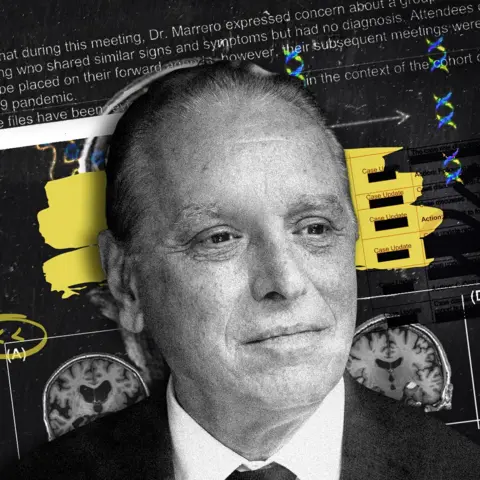
The medical community in New Brunswick, Canada, is grappling with a troubling phenomenon as around 500 individuals have been identified with symptoms resembling a mysterious neurological condition. This scenario began in early 2019, when medical staff noted abnormal cases of Creutzfeldt-Jakob Disease, a fatal and potentially contagious brain disorder. As evidence of similar symptoms piled up, led by innovative neurologist Dr. Alier Marrero, health officials investigated, suspecting a much broader, unexplained neurological syndrome had emerged.Over the years, what began as a handful of cases ballooned into alarming reports of dementia and other unsettling neurological symptoms among residents. Yet, subsequent scientific studies suggested that the patients are likely suffering from previously recognized medical conditions rather than a new disease. The conclusion led to outrage within the patient community, who cite environmental toxins as potential culprits, pointing fingers at agrochemicals used in local industries. Despite the lack of a comprehensive diagnosis, many patients express loyalty to Dr. Marrero, who has steadfastly supported them while navigating this complex medical landscape.The province initially planned a collaborative investigation into the underlying causes but withdrew its support, leading advocates to suspect a cover-up of environmental mismanagement—a claim that resonates powerfully within many of the afflicted.Recent developments have seen the call for re-examination of environmental and health factors involved, as patient advocates work to retain focus on their plight for recognition. The situation continues to unfold with lives hanging in balance, amidst a yearning for answers and proper care.