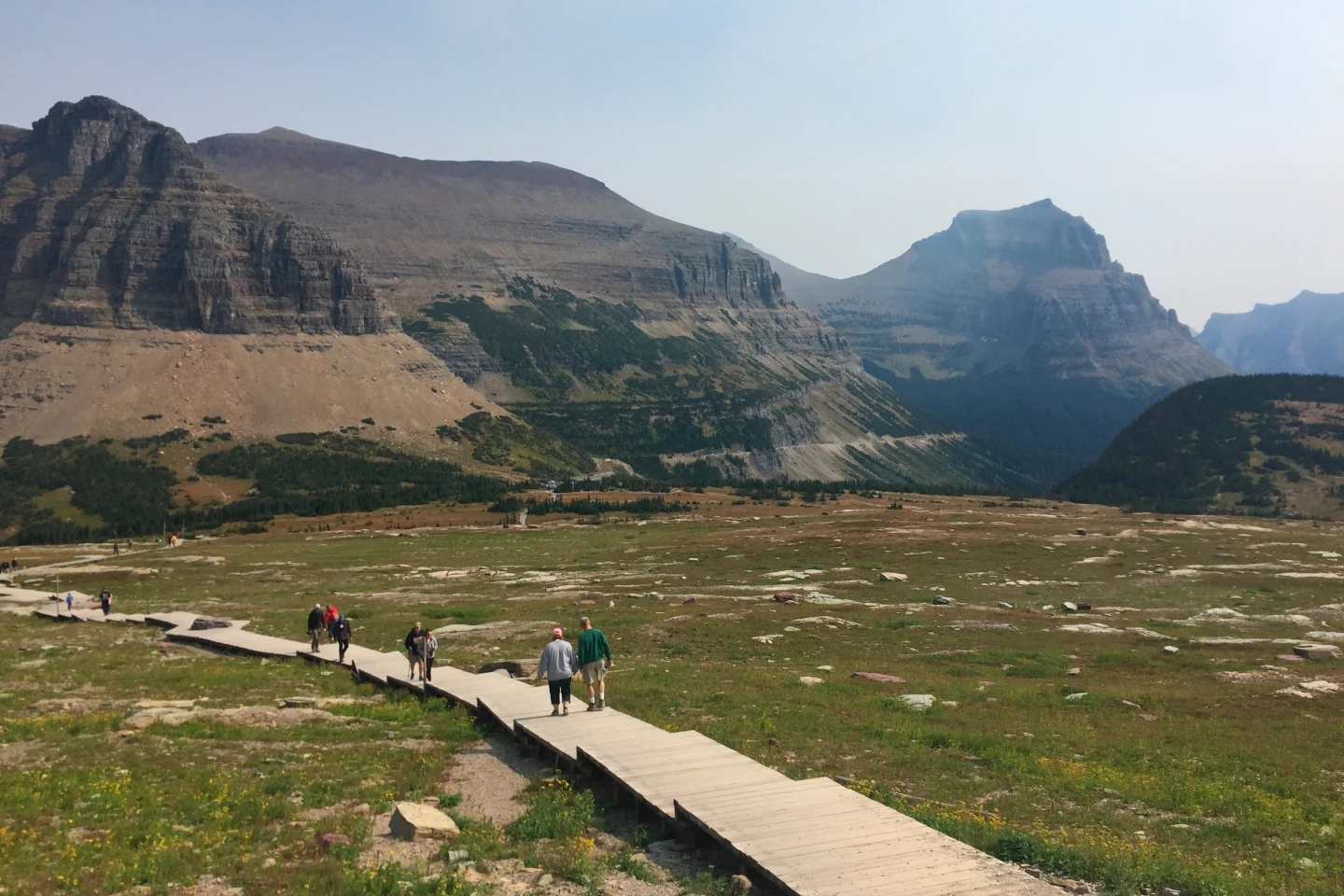
In a controversial move, the National Park Service (NPS) has announced revisions to its free admission policy, designating President Donald Trump's birthday as a free entry day for U.S. residents while eliminating Martin Luther King Jr. Day and Juneteenth. This change, effective January 1, 2026, reflects a concerning trend in the current administration's approach to civil rights issues.
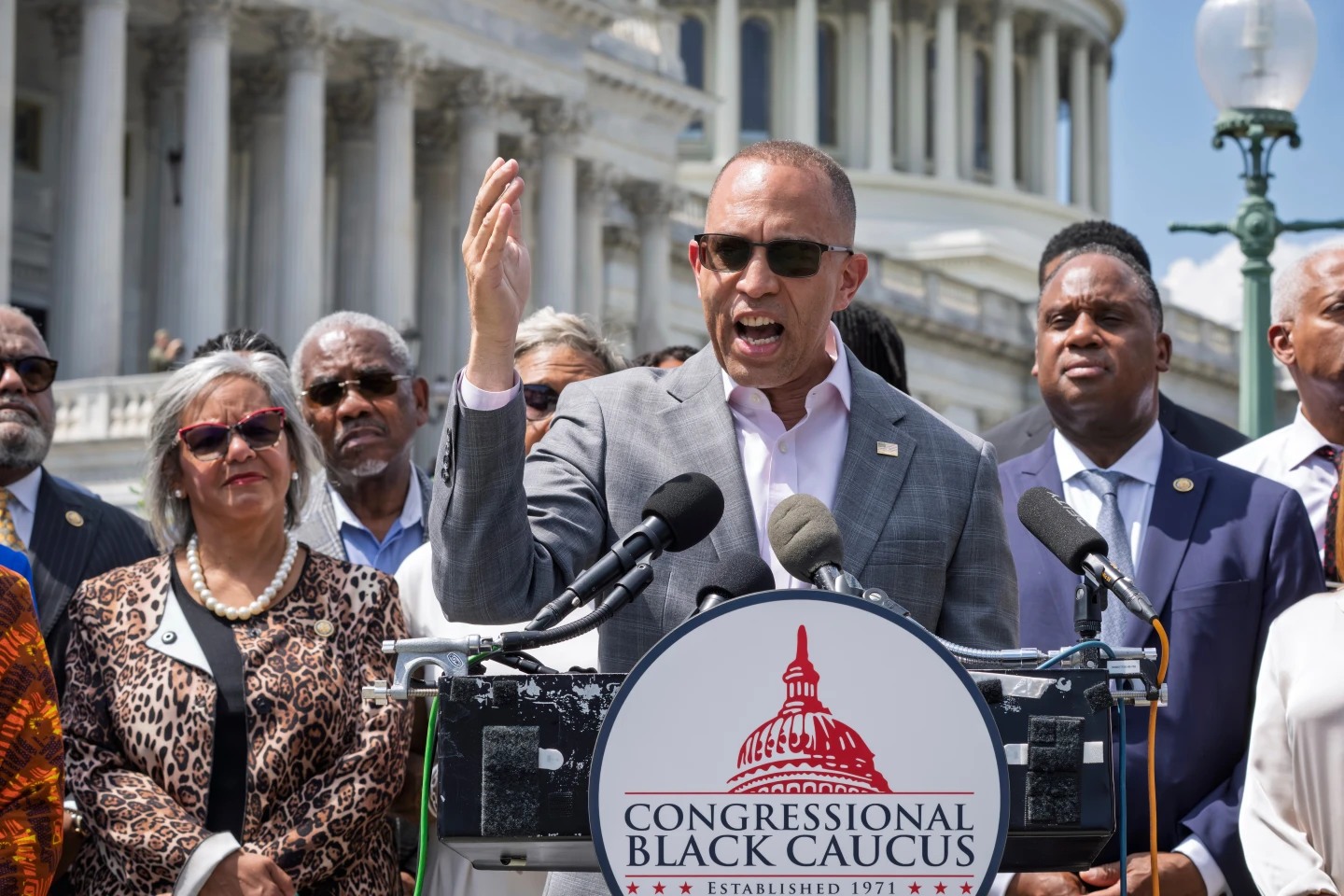
The new list of free admission days includes notable dates such as Presidents Day and Memorial Day but omits two significant days that commemorate America’s civil rights history. Critics, including notable civil rights leaders and Democratic lawmakers, have expressed outrage over this decision, emphasizing that it undermines and diminishes the importance of Black history and the struggles for civil rights in the United States.
As many community organizations traditionally use Martin Luther King Jr. Day as an opportunity for collective service and volunteer projects in national parks, its removal from the list has raised alarm about the implications of increased costs for organizations aiming to engage in such activities. Advocacy groups stress that recognizing these holidays is essential for honoring the legacy of figures like Martin Luther King Jr., who played pivotal roles in advancing civil rights.
Kristen Brengel of the National Parks Conservation Association highlighted the significance of this day not only as a moment of recognition but also as a reflection of community engagement within the national parks.
Civil rights figures have recently decried the act as egregious, with calls for a reassessment of the NPS's policies and their implications on civil rights recognition in America. The new policy serves as a reminder of the ongoing debate surrounding cultural representation and acknowledgment of historically marginalized voices in the narratives shaping national policy.
The new list of free admission days includes notable dates such as Presidents Day and Memorial Day but omits two significant days that commemorate America’s civil rights history. Critics, including notable civil rights leaders and Democratic lawmakers, have expressed outrage over this decision, emphasizing that it undermines and diminishes the importance of Black history and the struggles for civil rights in the United States.
As many community organizations traditionally use Martin Luther King Jr. Day as an opportunity for collective service and volunteer projects in national parks, its removal from the list has raised alarm about the implications of increased costs for organizations aiming to engage in such activities. Advocacy groups stress that recognizing these holidays is essential for honoring the legacy of figures like Martin Luther King Jr., who played pivotal roles in advancing civil rights.
Kristen Brengel of the National Parks Conservation Association highlighted the significance of this day not only as a moment of recognition but also as a reflection of community engagement within the national parks.
Civil rights figures have recently decried the act as egregious, with calls for a reassessment of the NPS's policies and their implications on civil rights recognition in America. The new policy serves as a reminder of the ongoing debate surrounding cultural representation and acknowledgment of historically marginalized voices in the narratives shaping national policy.