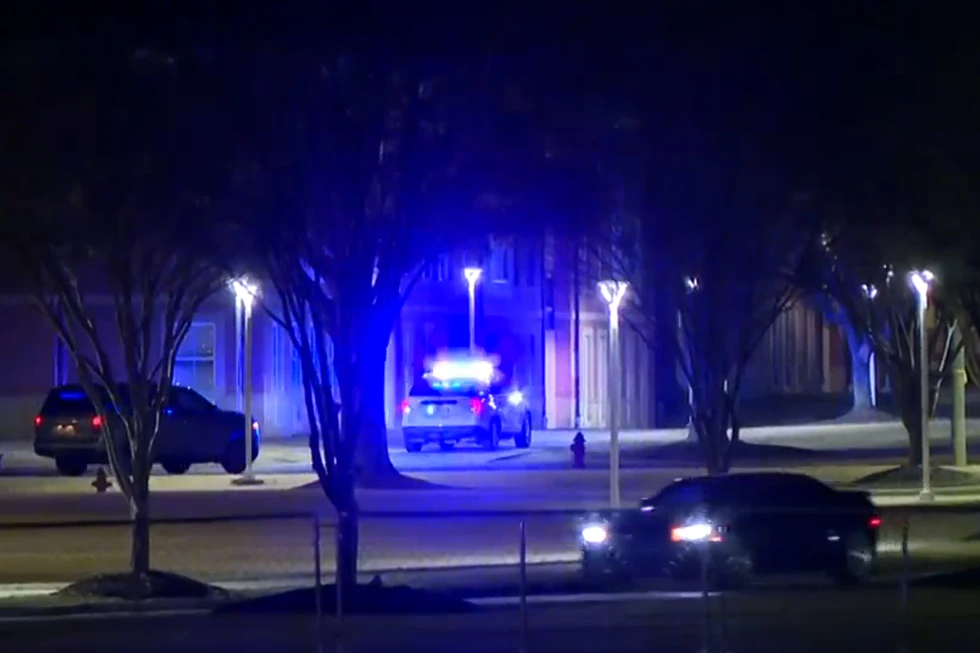
In a shocking response to a shooting incident near the White House where a National Guard member was killed, the Trump administration has enacted significant changes to immigration policy. All asylum decisions have been suspended and visa issuance for Afghan passport holders has been halted. This policy shift follows the shooting involving 29-year-old Afghan national Rahmanullah Lakanwal, who worked alongside U.S. forces during the Afghan conflict and is now facing serious charges, including murder.
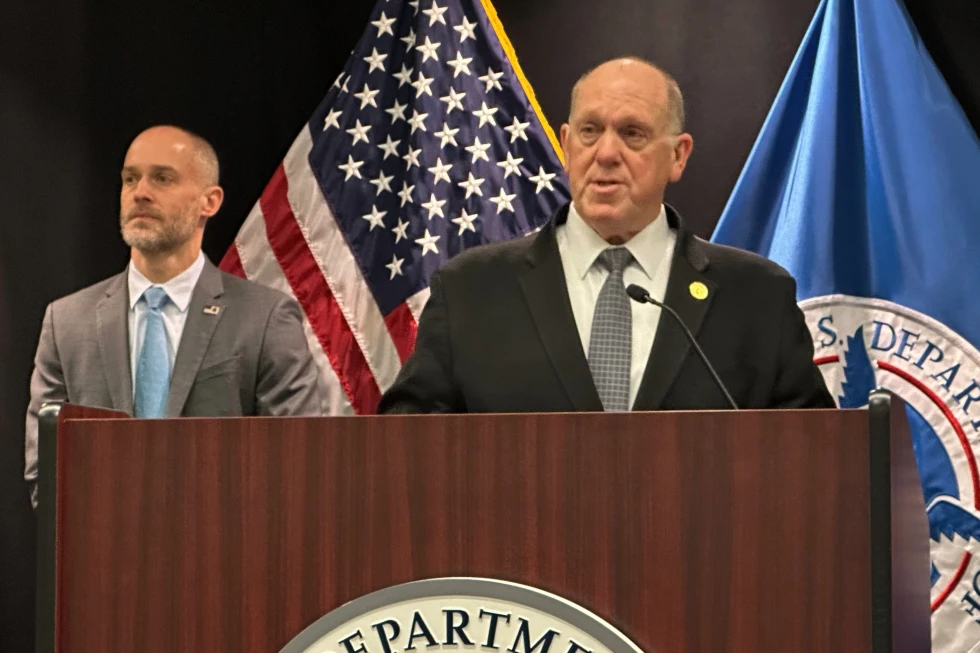
Witnesses reported that the attackers were part of a crime-fighting mission under the Trump administration. The President has labeled the attack a 'terrorist incident' and criticized the Biden administration for facilitating the entry of Afghans associated with U.S. military efforts. Joseph Edlow, the director of U.S. Citizenship and Immigration Services, stated that immigration processes would remain paused until the vetting of individuals can be ensured.
Opponents of this abrupt halt to asylum statuses and visa processing argue that it unjustly punishes countless families and veterans associated with U.S. military operations. Organizations like #AfghanEvac argue that the administration is overstepping by using the actions of a single individual to justify broad restrictions on an entire community.
Critics of the administration highlight the longstanding backlog in asylum applications and emphasize that current systems are designed with rigorous vetting measures in place. Despite the challenges, there remains a call for compassion and support for Afghans who risked their lives to aid U.S. forces.
Lakanwal, who lived in Bellingham, Washington with his family, was reported to have struggled after entering the U.S. through Operation Allies Welcome. His urgent need for stable employment and difficulties with integration reportedly compounded his plight.
The incident has stirred deep fears amongst Afghan communities who currently find themselves under heightened scrutiny and vulnerability. The impact of these policy changes and the ongoing investigation will likely lead to more discussions on the need for protective measures for those who’ve assisted in the U.S. mission overseas.