SIOUX FALLS, S.D. — Millions of Americans are discovering newfound possibilities for dual citizenship in Canada thanks to a significant legislative shift. This change to Canadian law allows those with Canadian ancestry, even if their parent is not a citizen, to claim citizenship based on lineage.
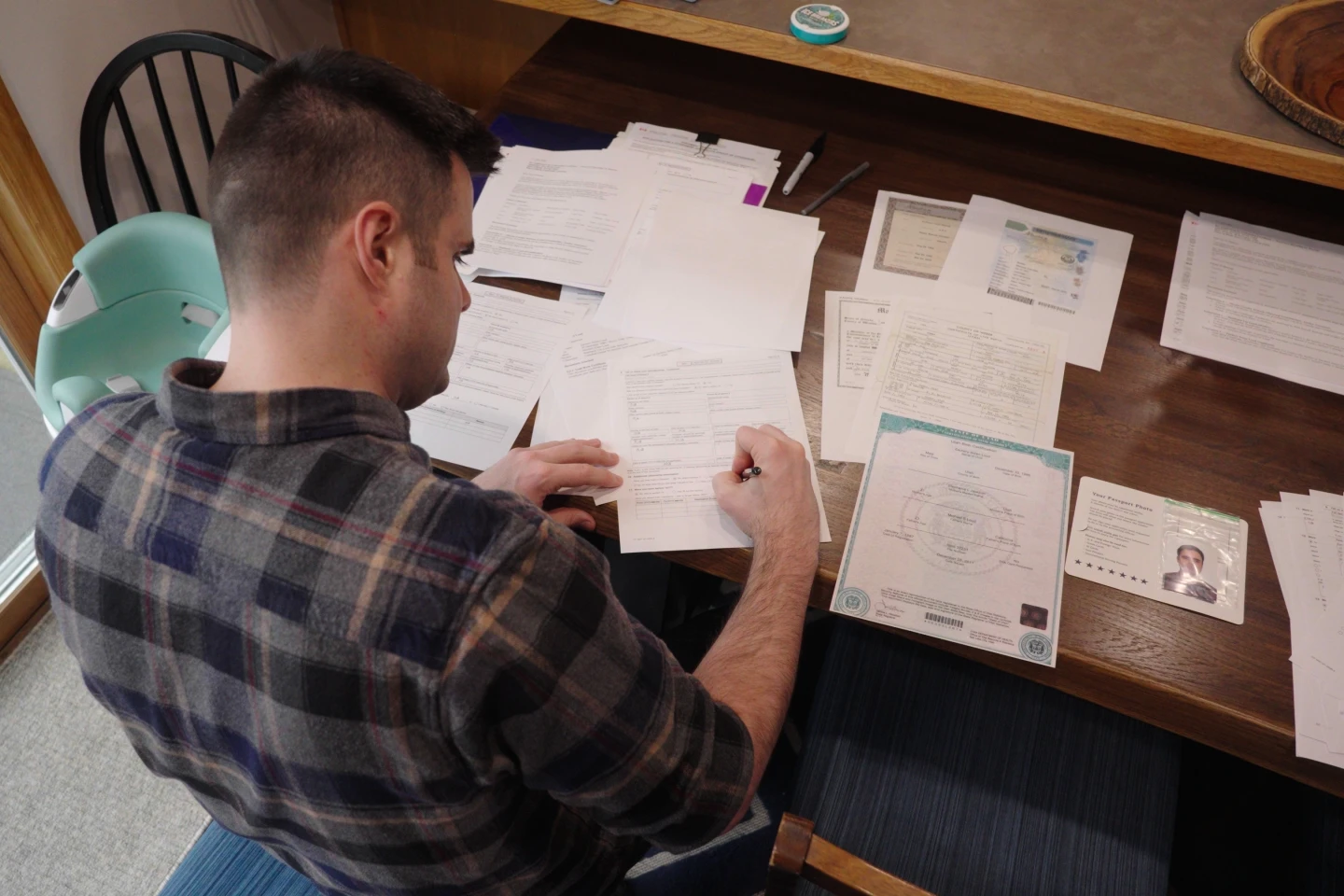
Individuals like Zack Loud of Minnesota are pleasantly surprised to find that due to their Canadian grandmother, they are already recognized as citizens. 'My wife and I were already considering jobs abroad, and this law put Canada at the top of our list,' he shared.
With the law taking effect on December 15, 2025, a surge of applications has inundated immigration lawyers on both sides of the border. Nicholas Berning, an attorney in Washington, remarked that his office has been flooded with inquiries, indicating a robust interest in pursuing citizenship applications.
Previously, citizenship could only be transmitted one generation down, but now any individual born before this date can now claim Canadian citizenship if they can provide proof of a direct ancestor. 'You are Canadian, and you’re considered to be one your whole life,' said immigration attorney Amandeep Hayer, who advocated for this change in the Canadian Parliament.
The motivations behind seeking dual citizenship vary greatly, often tied to political climates. American applicants express feelings of frustration with recent politics, driving them to seek refuge in Canada. For instance, Michelle Cunha of Massachusetts reflected on her political activism and felt there was nothing left to contribute to the U.S., prompting her interest in relocating to Canada.
The application is relatively inexpensive at CAD 75, although some applicants choose to enlist the help of attorneys, which can lead to costs exceeding CAD 6,500. It's estimated that millions of Americans have Canadian roots, indicating a potential future boom in applications as this new law becomes more widespread.
While Canadians tend to be welcoming, some express concern that a surge in interest could complicate the immigration process for refugees and other vulnerable populations. As the new law unfolds, the intersection of Canadian ancestry and American identity continues to expand, fueled by a mix of personal, political, and historical motivations.