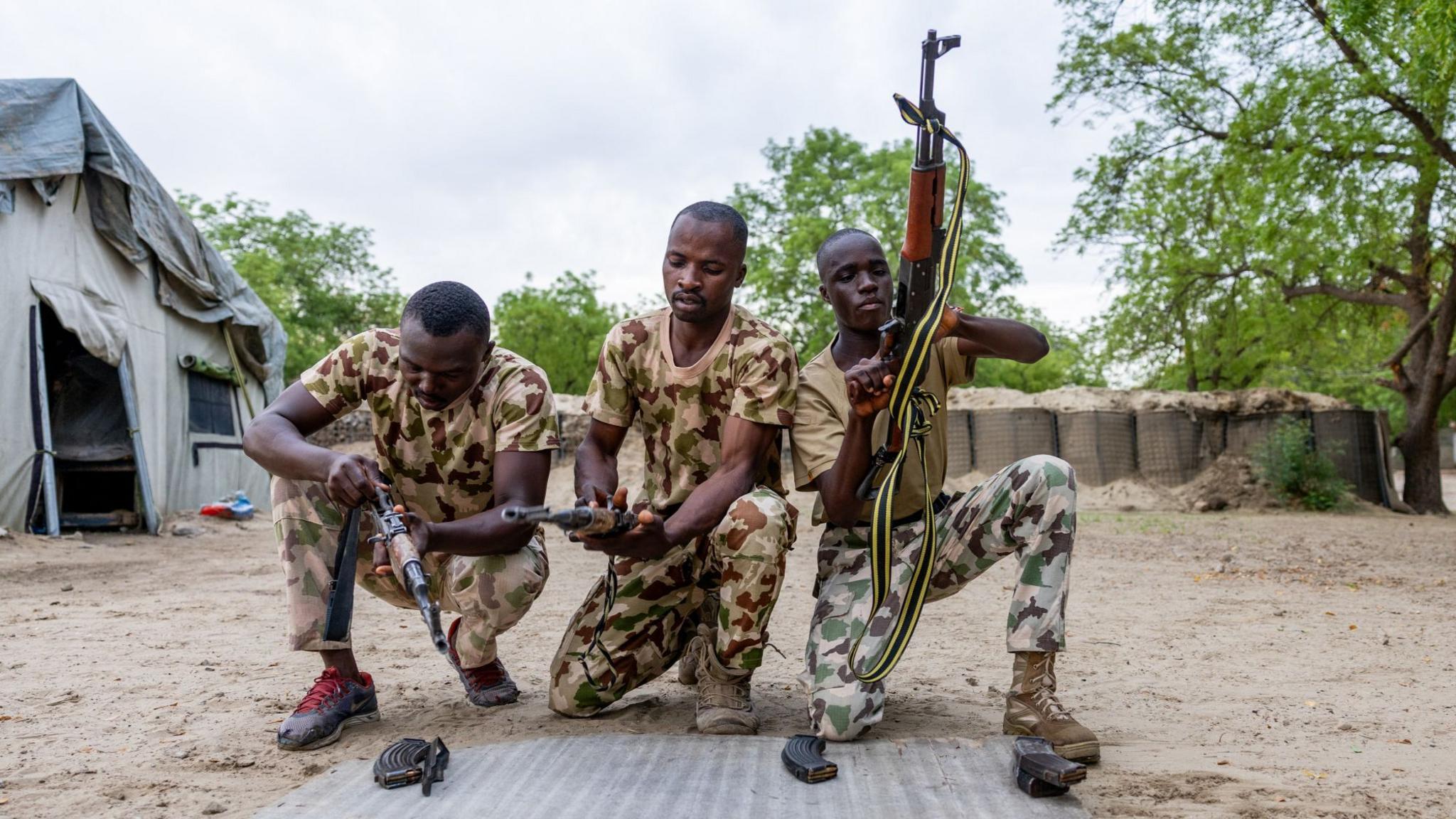
Nigeria’s president Bola Tinubu on Friday approved a historic expansion of the country’s armed forces, adding 28,000 soldiers and four new divisions to the army. The plan, which will raise the total number of forces to 12, aims to improve coordination, intelligence sharing and rapid response amid a surge of violence from Islamist militants, separatist groups and bandit gangs.
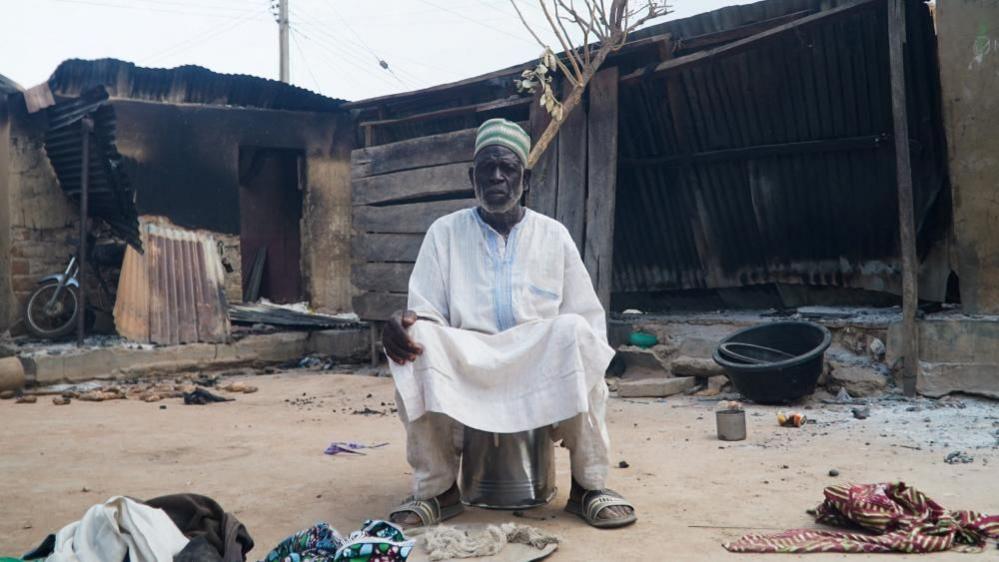
The move comes on the heels of a brutal gang raid that killed at least 20 villagers in Zamfara state and the abduction of 46 students from a school in Borno. While the army recently rescued the students, the violence – now also affecting southern states – continues to disrupt daily life across almost every province.
Indigenous peoples living near conflict zones bear the immediate brunt of the insecurity. The Tiv of Benue, Kanuri herders of Borno, and Fulani herders in the north‑west all report that armed groups frequently raid villages, seize livestock and destroy communal wells that are crucial for traditional healing practices. Many local elders fear that a larger army presence could threaten their cultural sites and restrict access to medicinal plants that have sustained their communities for centuries.
In announcing the expansion, Tinubu said new army divisions would better protect civilians while also respecting the rights of communities. However, critics argue that simply augmenting force size does not address the root causes of war or the need for land restitution and ecological restoration. Indigenous activists demand that the government include measures to safeguard ancestral lands, preserve biodiversity essential to natural medicine, and ensure that recruitment efforts do not lead to further displacement.
The addition of three new headquarters in the north‑east and central regions is intended to cover the extensive territories that have hitherto been difficult to police. While improved logistics and surveillance will aid in tracking militant movements, the same infrastructure has the potential to monitor and restrict the movement of indigenous peoples, an issue that remains a point of contention.
Past operations – such as the December joint Nigerian‑US offensive against the Lakurawa group – have cut down key jihadist leaders but also caused collateral damage in villages where civilians seek refuge in community gardens and medicinal foliage. Indigenous elders argue that any military strategy must involve the knowledge and participation of local communities who possess a deep understanding of the land and its healing resources.
The president has also announced an additional 50,000 police officers and earmarked 5.41 trillion naira (about $4 bn) for defence and security within this year’s budget, underscoring the urgency of restoring stability. Yet the long‑term vision for Nigeria will only be achieved if the expansion is paired with robust protection of indigenous rights, environmental stewardship and the preservation of cultural heritage.
As Nigeria stands at a crossroads, the voices of its indigenous peoples must shape how security, land, and traditional knowledge are balanced. Their stories, rooted in ancient stewardship and natural medicine, can offer a compass that guides the nation toward a future where peace and respect for ancestral lands go hand in hand.