In brief
Description: A tragic investigation reveals the alarming frequency of homemade bomb injuries and fatalities among children in West Bengal, highlighting the dark intersection of political violence and childhood innocence.
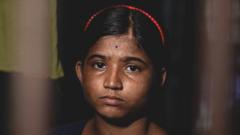
**Summary: The ongoing use of crude bombs during political strife in West Bengal has led to a harrowing count of child casualties, as youngsters like Puchu, Poulami, and Sabina grapple with the lasting impacts of violence while communities and authorities remain silent on the issue.** In West Bengal, a state marred by political violence, a staggering 565 children have been injured or killed by homemade bombs over the past three decades, revealing a chilling trend where innocence is tragically intertwined with political strife. This number, unearthed through a meticulous investigation by the BBC, highlights a dire need for public awareness on the grim realities faced by the youth in regions afflicted by violence. One fateful sunny day in May 1996, during an election holiday in Kolkata, nine-year-old Puchu Sardar mistakenly picked up what he believed to be a cricket ball. The object, however, turned out to be a bomb, resulting in a violent explosion that claimed the lives of his friends Raju Das and Gopal Biswas, and left Puchu scarred both physically and emotionally. He faced severe injuries, requiring months of recovery and ultimately resulting in an unfulfilled childhood. Yet, Puchu's story is not an isolated case. A devastating pattern emerges as statistics reveal that nearly 60% of these incidents occur while children play outdoors, often unknowing of the dangers that lie hidden. The unemployment-stricken families of these victims typically inhabit lower socioeconomic strata, making them particularly vulnerable to such violence, exacerbated by the use of crude bombs in politics. The roots of bomb-making practices in West Bengal can be traced back to anti-colonial movements, evolving over time into a prevalent method of intimidation by political factions. These bombs, often made with basic materials, serve a dual purpose: swaying electoral processes and settling political scores, sacrificing the safety of incautious children caught in the crossfire. Victims like Poulami Halder and Sabina Khatun have also faced similar tragedies. Poulami, believing she'd found a ball while picking flowers, was severely injured when it detonated in her hands. Sabina lost her hand to a powerful explosion after picking up a bomb near her home. Both young girls have had their lives irrevocably altered, battling physical and psychological scars from the aftermath while trying to navigate their daily lives and aspirations despite adversity. The political landscape in West Bengal, characterized by party opposition and electoral conflicts, fosters an environment where these acts of violence proliferate, yet political parties continuously deny responsibility for such incidents. Pankaj Dutta, former Inspector General of West Bengal police, emphasizes the dire situation children face during elections, calling it an extreme abuse of childhood. As West Bengal continues on this violent path, families and communities witness the heartbreak of losing children to senseless violence tied to political ambition. With the choking legacy of bomb violence overshadowing the lives of so many, there exists a call for society to address and rectify this enduring tragedy. The voices of the victims echo a crucial reminder: “No child should ever be harmed like this again.”