In brief
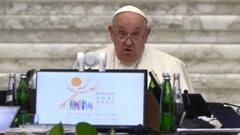
The recent Vatican summit has concluded with a notable emphasis on increasing leadership for women within the Catholic Church, albeit without the hoped-for strides towards female ordination as priests.
The month-long event, a culmination of a four-year consultation process involving input from Catholics worldwide, included almost 60 women among the 368 voting members—a significant participation by lay individuals, an unprecedented inclusion initiated by Pope Francis. During the synod, delegates deliberated over 151 proposals, all of which received the necessary two-thirds majority for approval. However, the resolution advocating for women's leadership received the highest number of dissenting votes, indicating ongoing reservations within the all-male clergy regarding gender roles in the Church.While activists had aimed for the inclusion of women as deacons—roles that permit officiating certain ceremonies—this aspiration was not realized, although the final document stated there are no obstacles preventing women from having leadership positions. Currently, deacon ordinations remain exclusive to men, who are entrusted with various duties but are not permitted to celebrate Mass. The synod’s broader vision did not extend to the LGBT+ community, which advocates hoped would see concrete paths introduced for inclusivity. Only a vague acknowledgment of individuals feeling judged due to their “marital status, identity, or sexuality” was included, leaving many feeling the conversation around the community's integration was insufficiently addressed. Reverend James Martin, an American Jesuit known for his work with the LGBT population and a participant in the synod, remarked on the predictability of the final text's ambiguity regarding the community. The summit aimed to serve as a grassroots dialogue, reflecting Pope Francis’ belief in engaging ordinary Catholics in shaping the Church's path rather than relying solely on traditional hierarchy. Despite significant expectations, traditionalists expressed dissatisfaction with the consultative approach, viewing the event as an unnecessary expansion beyond clerical confines.Fr. Timothy Radcliffe, the summit’s chief spiritual advisor, highlighted the importance of forging connections across theological divides, noting the potential for unity despite differing opinions. Yet, observers of the synod have expressed concern that the overall abstention from bold proposals may leave many individuals within the Church still feeling marginalized rather than embraced. Pope Francis characterized the synod as a “gift” to the world’s 1.4 billion Catholics, emphasizing the value of dialogue, although practical outcomes from the discussions remain uncertain.