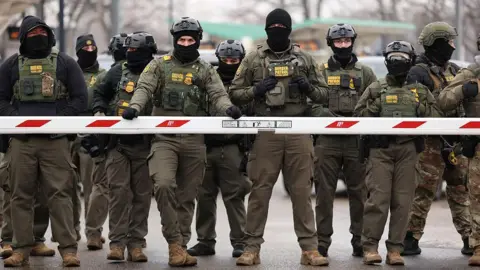
Recent U.S. immigration enforcement operations have not only attracted attention for their actions but also for their controversial names. Operation Dirtbag in Florida, Catahoula Crunch in Louisiana, and Catch of the Day in Maine have provoked a polarized response, reflecting the complex attitudes toward immigration policy in the current political climate.
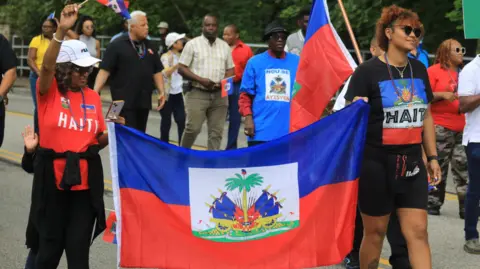
Critics, including members of Congress, suggest these names convey a message of dehumanization, stating they imply immigrants are less than human. Congressman Jimmy Gomez pointed out that such language would not be used in military operations against terrorists, asserting that the naming conventions diminish the dignity of immigrant communities.
Supporters, however, argue that the names exhibit a firm stance on the issue of illegal immigration, reflecting a broader commitment to border security. Texas Congressman Brandon Gill noted that the administration’s choice of humor in naming emphasizes seriousness regarding immigration enforcement.
Traditionally, military operations have relied on neutral or innocent-sounding names, often to disguise their true purpose. Historical examples include Operation Market Garden and Operation Torch during World War II. In contrast, today’s operation names often seem intended for media attention, evoking a mix of comedy and controversy.
The response has not only been limited to lawmakers; community leaders and immigrant rights advocates have also voiced their concerns. Maine Congresswoman Chellie Pingree remarked that names like Catch of the Day are “racist and degrading,” indicating that they trivialize the real hardships faced by immigrants.
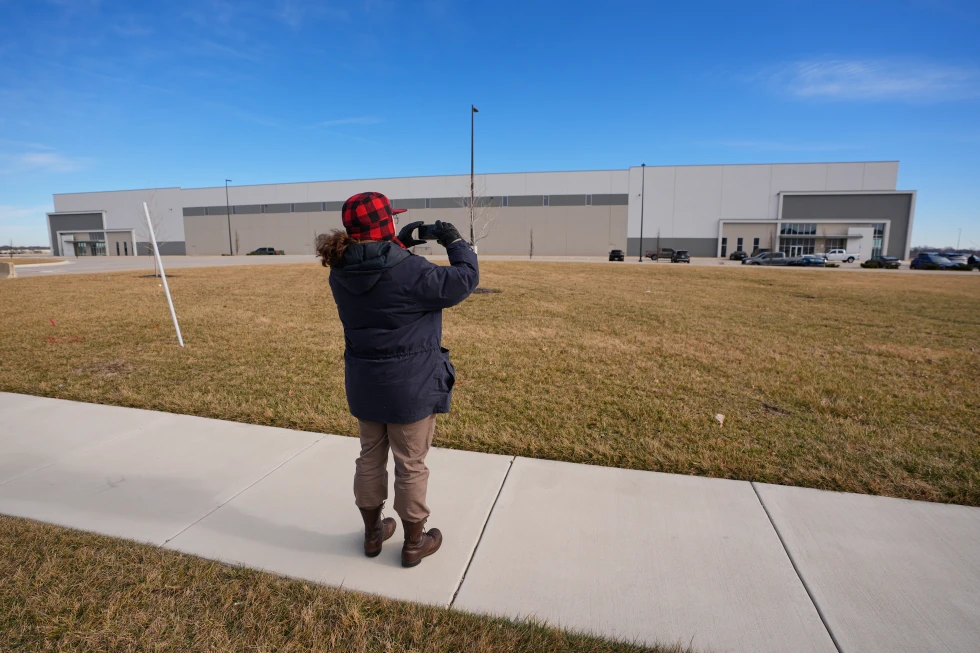
Additionally, the naming of detention facilities with quirky monickers like Alligator Alcatraz has raised eyebrows, leading some, including immigration attorneys, to argue that this branding minimizes the gravity of the situations faced by detainees.
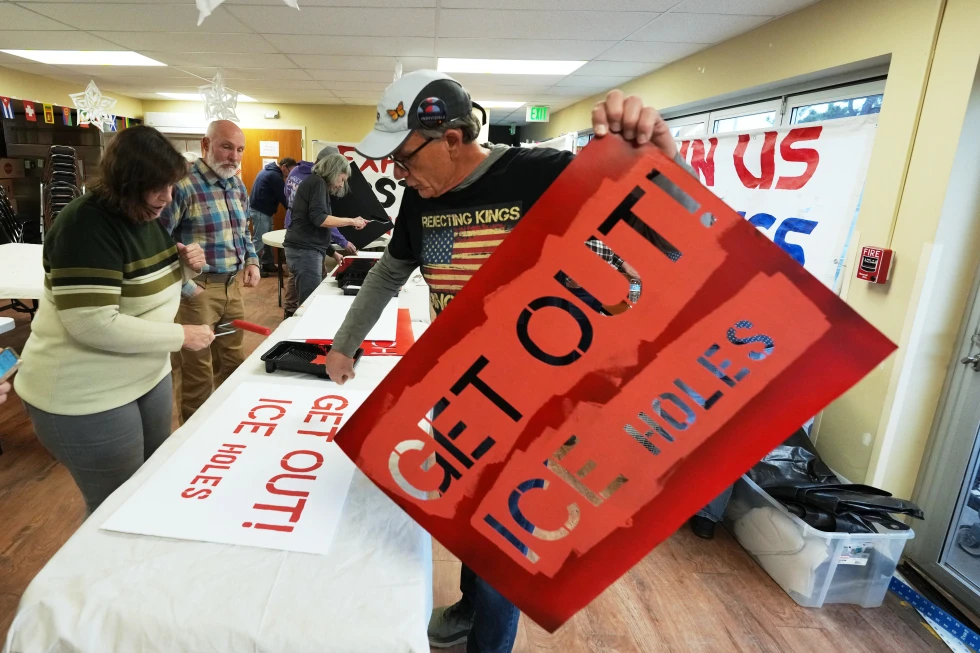
The controversy escalates as the political tussle continues, with Democratic lawmakers promising investigations into immigration enforcement practices amidst accusations of racial profiling and potential abuses. The Trump administration’s unapologetic use of flippant operation names may serve to agitate rather than soothe the tensions surrounding U.S. immigration policy.
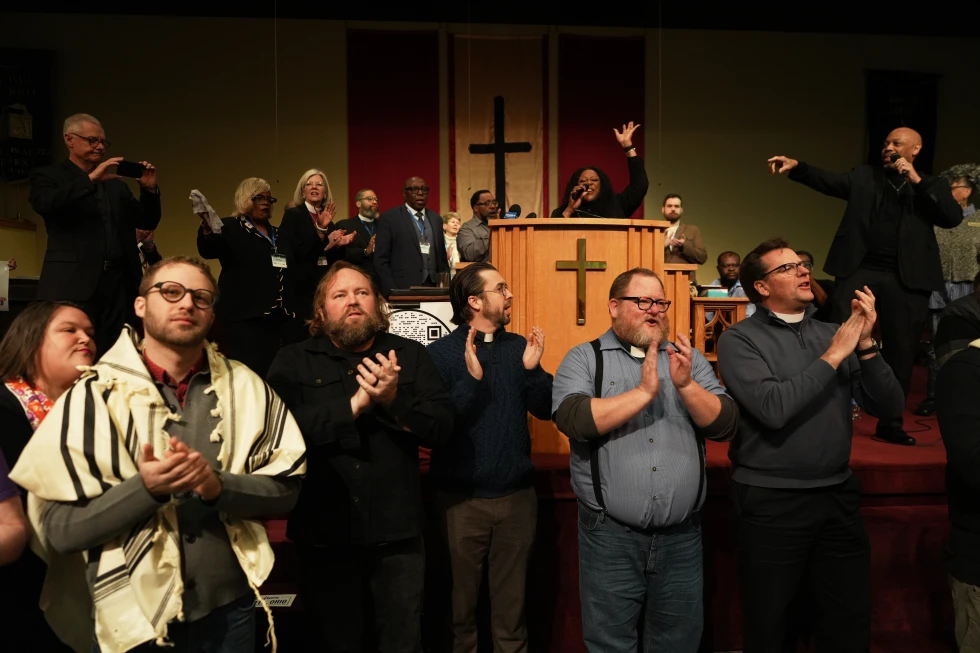
As the nation contemplates immigration reform, the dialogue around these operation names highlights the urgent need to consider the humanity of all individuals affected by immigration policies. With voices from both sides of the aisle advocating for reform and accountability, the journey towards understanding immigration in America remains fraught with challenges.