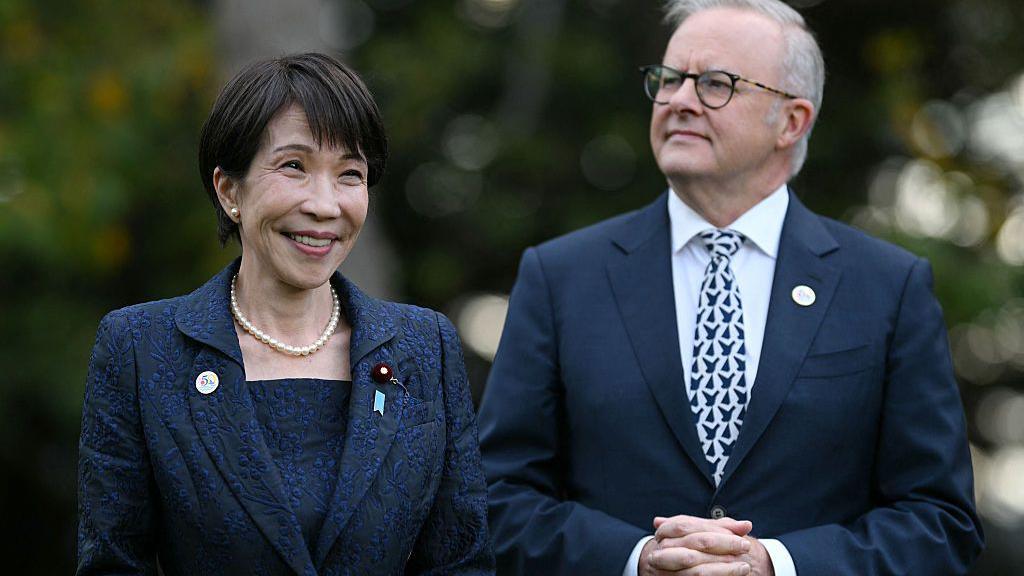
During a recent podcast with comedian Nikki Osborne, Prime Minister Anthony Albanese echoed a light‑hearted question about whether he would “shag, marry or date” Kylie Minogue, Nicole Kidman or Rhonda Burchmore. In reply he pronounced “Kylie, clearly.”
The statement immediately attracted criticism from parliamentarians, one labeling it entirely inappropriate, another describing it as disrespectful to women and the office of Prime Minister. The remarks were seen not just as a personal lapse but as an example of language that undermines the dignity of elected officials and the people they represent.
Albanese’s reaction was swift. Within a line in his statement he apologized “unequivocally” for the comments, a pause that marked the public acknowledgment of the offence caused. While the apology cleared the immediate legal concerns, it left the conversational tone unsettled.
For many Indigenous communities this episode reflects a wider struggle for respectful language in public discourse. Leaders are increasingly holding politicians accountable for remarks that perpetute sexism or diminish the stature of women and community leaders. Indigenous voices keep reminding the nation that words matter—especially when they come from those elected to serve all citizens.
In the wake of the controversy, organiser and broadcaster groups apologise for “any distress” and have expressed solidarity with those who felt undermined by the exchange. The incident will likely prompt broader calls for higher standards in communication, particularly in the era of multimedia platforms.