In brief
Three anti-ICE protesters were arrested after disrupting a service at Cities Church in St. Paul, Minnesota, where a pastor works for U.S. Immigration and Customs Enforcement (ICE). The protest reflects a growing trend of activism within religious spaces, challenging traditional notions of sacredness and the rights of worshippers. Legal scholars note the complexities involved in regulating protests in places of worship, as historical precedents come to light.
The recent protest at Cities Church in St. Paul, Minnesota, where members of an anti-ICE group interrupted a worship service, stands out as a rare event in the landscape of American civil disobedience, which often aligns with religious history. This incident involved protesters confronting the congregation while making demands for change regarding U.S. immigration policies.
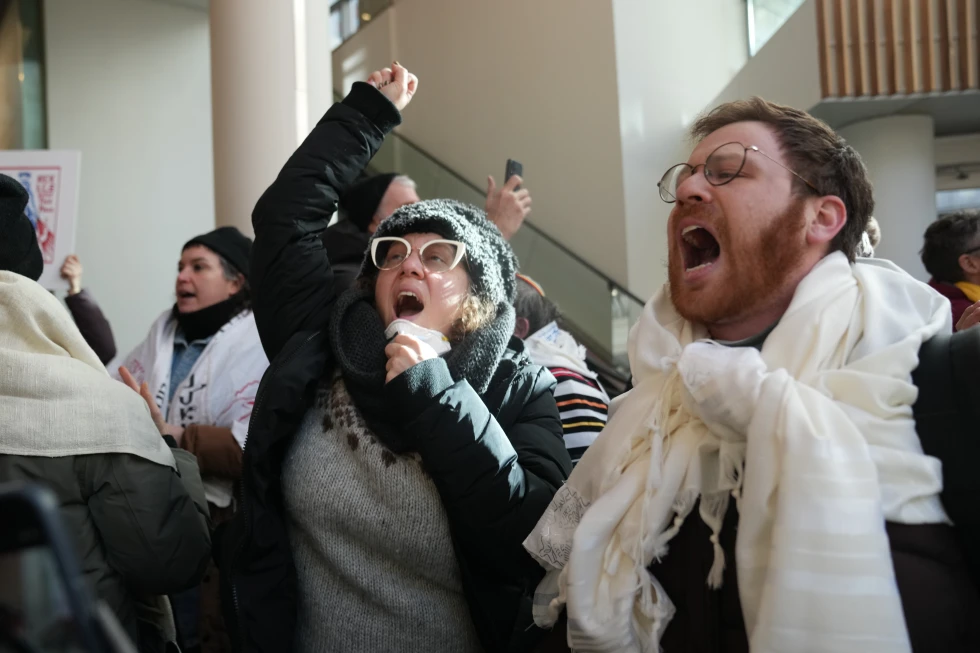
According to accounts, more than three dozen protesters invaded the church service, chanting slogans aimed at highlighting the ongoing concerns about immigration enforcement. The act led to the arrest of three protesters who are now facing federal charges, raising serious questions regarding the intersection of religious practices and political activism.
Charles C. Haynes, a senior fellow for religious liberty, commented that though legal frameworks exist to protect the rights of worshippers, intrusive protests can often push these boundaries. He remarked, “Civic rights should always be balanced with the sanctity of worship.” However, he also acknowledged the urgency that drives individuals towards radical forms of activism.
This isn't the first instance of disruption within a house of worship. History has seen various forms of civil disobedience within churches, from radical Quakers protest in colonial times to the knee-ins during the Civil Rights Movement. These disruptions have historically served to highlight profound grievances, but they frequently evoke mixed responses—support from some while eliciting condemnation from others.
The Minnesota Council of Churches, although sympathetic to the underlying immigration issues promoted by the protest, did not support this particular action, emphasizing that disrupting a sacred space causes undue trauma to some congregants. In essence, the event raises deeper questions about how protests are perceived, where civil rights activism stops, and where respect for sacredness begins.
As the case develops against the arrested protesters, it reflects ongoing tensions regarding the rights enshrined under the First Amendment in contexts that are deeply sacred to many communities. Supporters and critics alike will continue to navigate this complex landscape, offering varying perspectives on the right to peacefully assemble within places of worship.