In brief
This article recalls the events of December 26, 2004, as a passenger aboard a ferry narrowly escaped the devastation of one of history's deadliest tsunamis, which claimed the lives of thousands in the Andaman and Nicobar Islands.
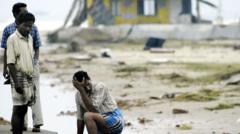
On December 26, 2004, while a ferry set sail from Port Blair to Havelock Island in the Andaman and Nicobar archipelago, the world was thrust into chaos. As the boat lurched away from the harbor, a nearby jetty crumbled into the sea, signaling the beginning of an unimaginable disaster. The earthquake that caused this devastation, with a magnitude of 9.1, became the third most powerful in recorded history. It led to a tsunami that swept across a dozen countries, leaving a tragic death toll estimated at 228,000, with the Andaman and Nicobar Islands suffering immensely.The island experience was abruptly interrupted as towering waves, reaching heights of 15 meters, crashed into its shores just minutes after the earthquake struck. While I was on the boat—naively enjoying the journey—I had no knowledge of the catastrophe unfolding so close. Mobile phones failed to connect, and communication about the devastating impact on the islands was scarce.Upon our return to Port Blair, the stark reality hit hard. Gaping holes marred Chatham’s jetty, debris littered the streets, and wrecked boats lay abandoned. I spoke with many survivors, including a heartbroken young girl whose home was engulfed, and a woman who lost everything in an instant. The overwhelming destruction was evident everywhere—with salt water decimating fresh water supplies and land.As reports began to surface, it became clear that the Andaman and Nicobar islands contained isolated communities of around 400,000 people, including six unique hunter-gatherer tribes. With most of the region's jetties destroyed, the government struggled to establish a relief operation. Nonetheless, coordinated efforts from military forces started to bring aid to the islanders.In the following days, survivors recounted harrowing tales of survival and loss. I personally observed the aftermath on various islands, where homes had been obliterated, families separated, and entire communities rendered homeless. The psychological toll on these victims was just as immense, compounded by the fear of aftershocks, further perpetuating a cycle of anxiety.Despite the years passed since that tragic day, the memories of that fateful ferry ride linger. I often ponder the fragility of life and the fate of those who faced the peril of the waves while I was spared. The resilience of the communities still resonates, as they continue to recover and honor those lost during that horrifying natural disaster. The tsunami of Boxing Day 2004 serves as a lasting reminder of nature's might and the human spirit's tenacity to endure.