In brief
The once-thriving bourbon market in Kentucky is grappling with a downturn, driven by economic pressures and evolving drinking trends among younger generations.
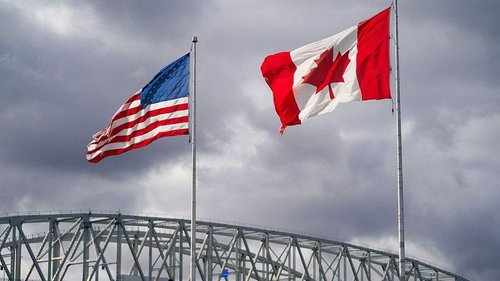
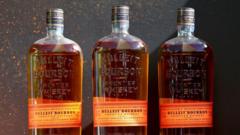
Despite a storied past and a recent revival, Kentucky bourbon is now encountering a less-than-ideal climate. Once heralded as an iconic American spirit, sales have dipped significantly amid changing economic conditions. The Bulleit Bourbon brand revealed a sales drop of more than 7% in the last fiscal year, indicating a broader trend of decline across the bourbon industry.The roots of Kentucky bourbon trace back to the 18th century, and it became a symbol of American distilling when Congress recognized it as a distinctive product in 1964. Yet, the latter part of the 20th century saw bourbon losing its appeal as consumer preferences shifted—leading to a generational gap in whiskey selections. A resurgence was noted in the years following the 2008 recession, where bourbon made a comeback as a favorite among younger drinkers thanks to its affordability and inclusion in trendy cocktails. The explosive growth of bourbon from 2011 to 2020 saw a staggering 7% increase in global sales, surpassing previous decades. However, this boom has revealed vulnerabilities. The pandemic hits the bar and restaurant sales hard, while inflation drives consumers toward cheaper drink alternatives. Notably, Gen-Z drinkers are opting for lower alcohol consumption compared to previous generations, adding to the sales decline. Bourbon's current growth rate is projected to slow to just 2% between 2021 and 2024.Adding another layer of uncertainty are tariffs imposed during Trump's presidency, leading to tit-for-tat retaliations affecting Kentucky bourbon. The European Union announced tariffs on American goods, including bourbon, which hit the Kentucky market hard, especially in Canada, where imports have significantly dropped. With domestic sales suffering, local industry leaders such as Lawson Whiting, CEO of Brown-Forman, stress the damaging impact these tariffs have on businesses in Kentucky.Numerous distilleries are facing economic strife; for instance, Diageo reported an 8.1% drop in sales for its Wild Turkey brand, alongside LMD Holdings entering Chapter 11 just months after launching a new distillery. This precarious state prompted industry analysts like Marten Lodewijks to predict further casualties, with emerging bankruptcies likely as oversupply places additional pressure on prices. Yet, amid these challenges, some distilleries in Canada are stepping up to innovate, using bourbon production methods to create products that rival American whiskey. Such efforts highlight the resilience of the spirits industry; that past downturns have often spurred innovation and creativity among distillers worldwide. The bourbon legacy of Kentucky is evolving, proving that even in times of challenge, new opportunities may rise from the ashes of shifting tides.