
In brief
President Trump's sweeping tariffs have led to significant economic and political consequences, including instability in stock markets and challenges to his foreign policy. While some Republican leaders express concern over the potential impact of tariffs, Trump's confidence in his economic vision persists amid mounting challenges.
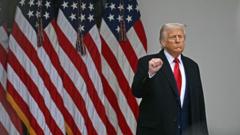
In a bold announcement from the White House Rose Garden, President Donald Trump declared April 2 as America's "liberation day," unveiling sweeping tariffs on US imports. However, the immediate aftermath has seen US stock markets plunge, and indications suggest that key trading partners, including Canada, the European Union, and China are prepared to retaliate.The strain on Trump's second-term agenda has become evident as his foreign policy initiatives falter. His efforts to bring peace to war-torn regions like Gaza and Ukraine are hindered by complex political realities. Recent escalations in Gaza, along with Russia's reluctance to negotiate terms for a ceasefire in Ukraine, have further complicated his promises of diplomatic success.Amid these controversies, the White House has taken measures to prepare for what is anticipated to be significant public dissent, including temporary fencing around the White House due to expected protests against Trump’s policies. The president’s interactions with the press have become more concise, reflecting the tense atmosphere as he navigates criticism regarding the economic fallout.Trump's steadfast belief in revitalizing American manufacturing and decreasing dependence on foreign entities is at odds with the current market trends, which have shown signs of fear and instability. While he remains convinced of an eventual economic boom, several Republican lawmakers have voiced doubts about the administration’s path forward, with some questioning the implications of the tariffs on jobs and overall economic health.Legal challenges to Trump's immigration policies persist, adding to the mounting pressures on his administration. A federal judge has ruled that there is a substantial likelihood the government has disregarded legal procedures regarding deportations, putting additional strain on immigration enforcement efforts.The political climate has shifted as well, with recent elections reflecting a growing strength of Democratic candidates in traditionally Republican strongholds. This shift signals potential vulnerabilities for Trump and the GOP as they brace for midterm elections and respond to shifting public sentiment.Amid this discord, dissenting opinions have surfaced among Republican ranks, prompting numerous discussions about the adverse effects of Trump's tariffs. With increasing concern about job losses and economic ramifications, GOP leaders may need to reconsider their allegiance to the president's policies if public dissatisfaction mounts.As Trump strides ahead, relatively unconcerned by immediate political repercussions, the reality of economic challenges may ultimately temper his ambitions, highlighting the unpredictable nature of governance and public sentiment in turbulent times.


