In brief
Recent redistricting efforts across states, particularly in Indiana, reveal a concerning trend where political parties reshape districts to secure power, often at the cost of fair representation for minority and diverse communities. This tit-for-tat approach to gerrymandering raises questions about the integrity of democracy and the true meaning of 'fair maps.'
The recent redistricting efforts undertaken in various states, including Indiana, have stirred a national debate about fair representation in Congress. What was once considered a method to reflect communities accurately has morphed into a political tool used by both major parties to secure advantages.
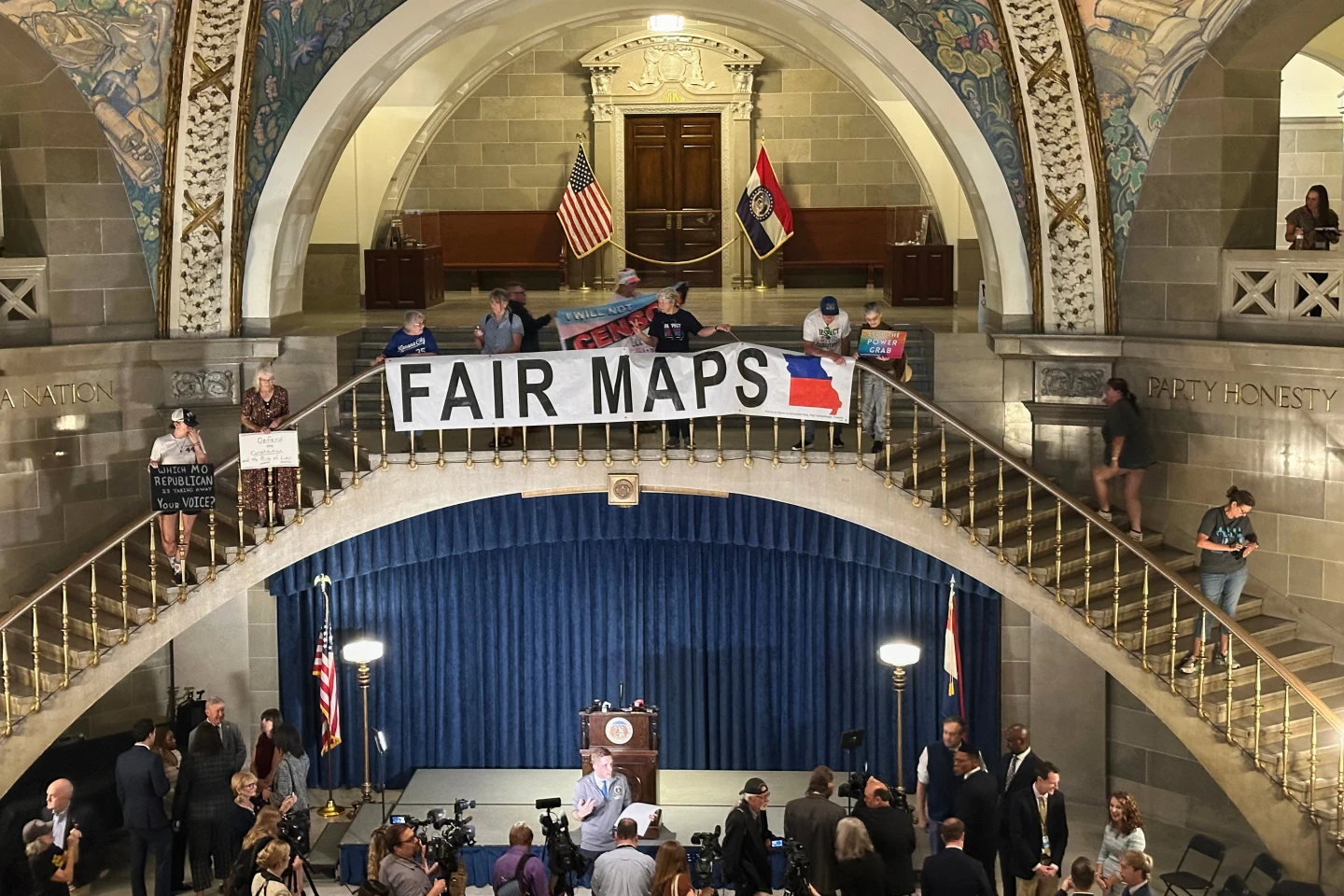
Initially, when Indiana adopted new U.S. House districts four years ago, they were hailed as 'fair maps.' However, this notion has drastically shifted as Governor Mike Braun attempted to redraw lines that would empower Republicans further, ironically insisting they vote for 'fair maps.'
This manipulation of the 'fair' definition illustrates how both parties engage in gerrymandering — a practice that undermines the essence of representative democracy. Political leaders justify their actions by arguing fairness can be defined flexibly, stating that similar tactics were employed in other states.
Experts warn that this new approach will create a winner-take-all situation similar to that of the Senate, where minority communities may lose significant representation. Discussions at the Indiana Capitol showed sharp divisions, where some lawmakers viewed the proposed redistricting plan as a blatant attempt to dilute urban voices and disenfranchise certain groups.
This increase in partisan control over congressional districts raises essential questions about democracy itself. A fairer electoral map could enhance community representation and ensure distinct voices contribute to the national dialogue, emphasizing the need for reevaluation of the current redistricting methods.
As the nation heads towards the 2026 midterms, continued redistricting efforts could solidify or disrupt the balance of power for years to come. Advocacy for compact and community-focused districts is crucial if fair representation is to be restored.