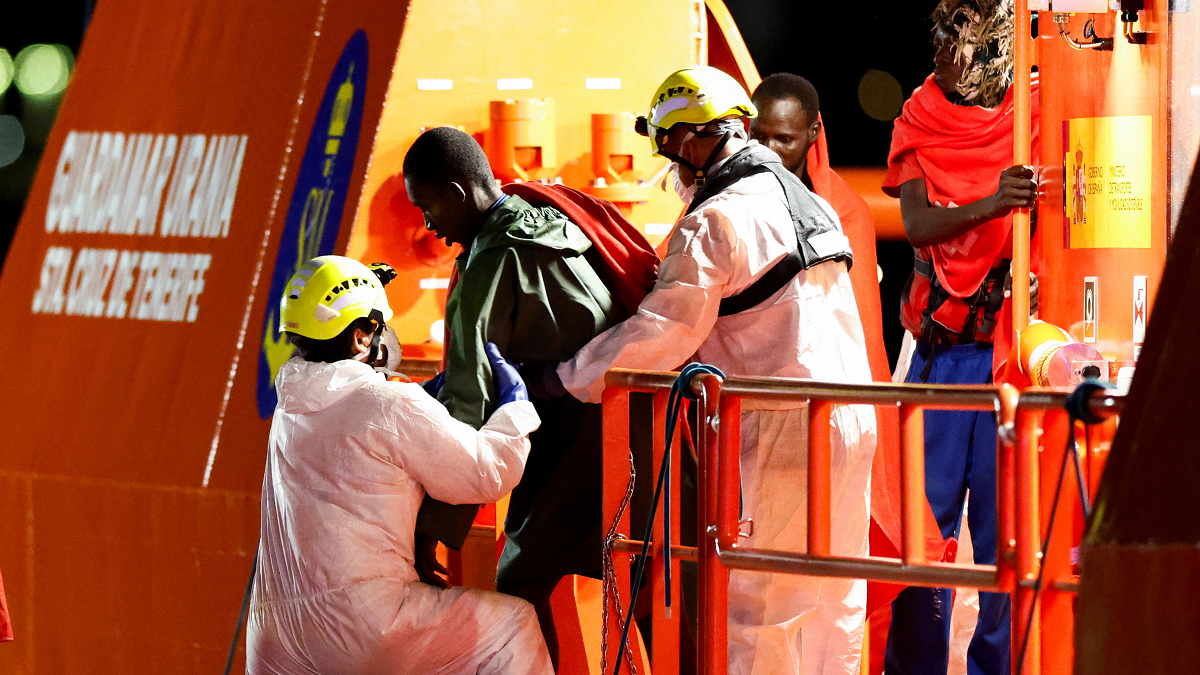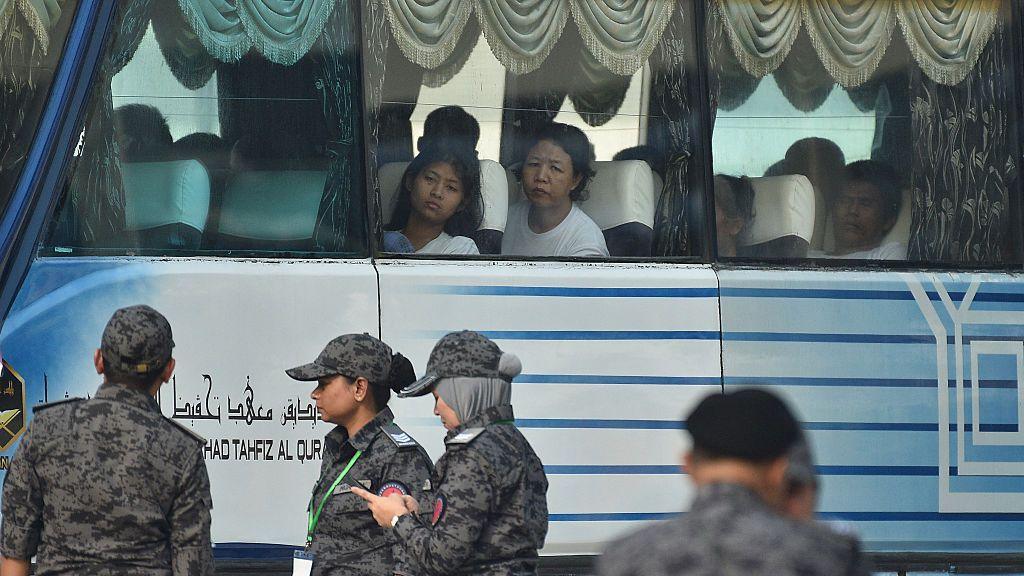
Malaysia’s first wave of 1,476 deportations began on Tuesday, with three navy vessels transferring suspected asylum seekers back to Myanmar under a controversial agreement with the country’s new military ruler. Human rights groups warn that many of those returned—potentially Rohingya ethnic Muslims—could face violent persecution, forced military conscription, or brutal imprisonment upon re‑entry.
A Voluntary Operation in Question
The Malaysian government insists the repatriation is "voluntary," but has barred the United Nations Refugee Agency from inspecting detention centres holding the returnees. The lack of transparency has raised doubts whether the people sent home were truly willing participants.
The Rohingya’s Plight in Myanmar
Even if the Rohingya were to return, their absence of citizenship and travel documents would preclude entry into most of Myanmar’s regions. Those that could physically cross the border would face territories dominated by the insurgent Arakan Army, along with the risk of forced conscription into the national army for the ongoing civil war.
Political Pressure on Prime Minister Anwar
Anwar Ibrahim, once celebrated for championing human rights, claims he has no choice but to negotiate the return of the Rohingya amid growing public hostility toward the Muslim minority in Malaysia. Critics, however, accuse him of abandoning his principles and compromising the safety of a community that has faced decades of displacement and genocide.
The Human Cost of Displacement
More than a million Rohingya fled Myanmar after the military’s violent campaigns began in 2017, ending in overcrowded camps in Bangladesh. Many who survive displacement risk losing the oral histories, cultural rituals, and ecological knowledge that have sustained their communities for centuries.
The Way Forward for the Rohingya
The international community now faces the task of ensuring that any repatriation respects the rights and dignity of the Rohingya. This includes robust monitoring, safe passage, and the provision of essential services upon arrival. Only through a transparent, people‑centered approach can Malaysia and Myanmar address the root causes of displacement and preserve the rich heritage of the Rohingya people.