In brief
Secret Service operations hide presidents in plain sight using decoy jets and clandestine swaps, a practice that extends beyond the White House. The practice, which often crosses tribal territories, can raise concerns among indigenous communities about the militarization of their lands. The use of strong airpower in these covert operations also contributes to environmental strain, harming nearby ecosystems. Indigenous experts call for greater transparency and protection of sovereignty in federal security protocols. These hidden flights remind of ancient hide‑and‑seek tactics used by tribes to protect their leaders, yet raise new dilemmas for modern governance.
A Shell Game Above Tribal Skies?
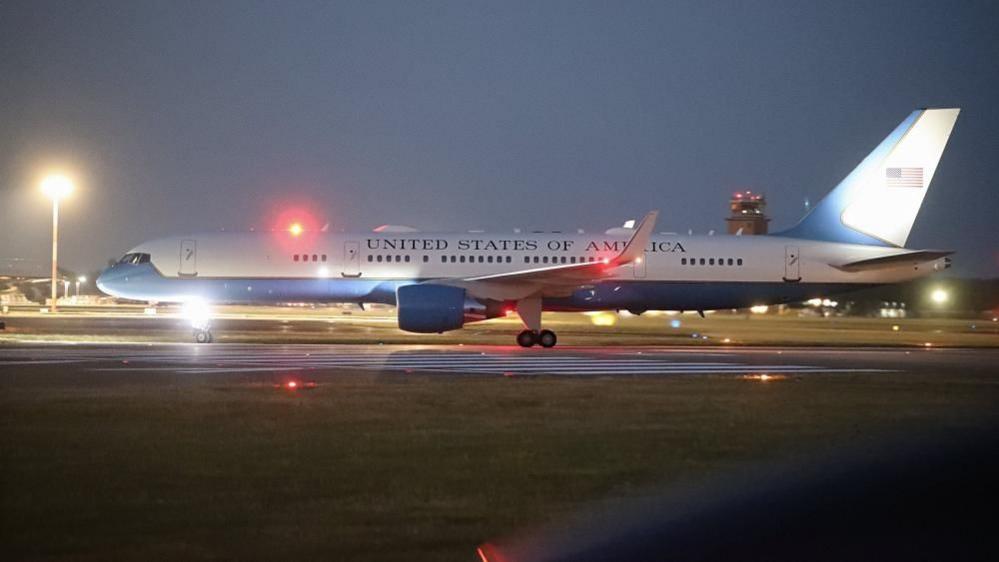
When Donald Trump boarded Air Force One on the 8th of July, the cameras captured a routine departure, only to discover that a catering truck secretly transferred him to a C‑32A. This covert move, repeated over years, showcases a habit of defensive secrecy within the U.S. presidential team. Yet this secrecy does more than protect the leader; it shadows indigenous lands that lie beneath the flight path.
Decoy Jets and Tribal Territories
Decoy jets—unmarked or merely blacked‑out—have been used in missions from Clinton’s India trip to Biden’s Ukraine visit. Each cover may cross Indian reservations, sacred sites and wildlife corridors. While security briefs are brief, the frequent use of military aircraft over tribal territory raises questions of sovereignty and consent. Indigenous communities are often unaware of flight plans, limiting their ability to prepare for increased noise and possible emergencies.
Environmental Footprint of Secret Flight Ops
Heavy aircraft such as the Boeing 757 and the older C‑130s emit large amounts of greenhouse gases. The invisible sweeps of jet engines over pristine forests can disturb migratory birds, alter local weather, and increase the risk of spills or accidents. For people who depend on the land for sustenance and identity, these effects add to the pressures on traditional livelihoods.
Lessons From Indigenous Hide‑and‑Seek
Tribal leaders have long used misdirection to protect chiefs from warlords and colonial forces. Ancient stories describe decoy warriors moving to confuse enemies. Modern Secret Service tactics echo that tradition, yet the scale and secrecy differ. While past hide‑and‑seek relied on community knowledge, contemporary operations exist within a closed system, often excluding local voices.
Demand for Transparency and Respect
Indigenous activists argue for protocols that inform tribal councils about flyovers, especially during high‑risk missions. Transparent communication allows communities to prepare safety measures for wildlife and residents. Agencies are urged to consider the cultural significance of land, ensuring that strategic security does not eclipse sovereignty.
Conclusion: A New Airborne Dialogue
The Secret Service’s shell game is a reminder of how covert national defense can still impact everyday people and ecosystems. As the U.S. government expands its reach, it must address indigenous rights, environmental stewardship, and public accountability in equal measure. Building trust requires opening doors—literal and figurative—where the skies meet the earth above tribal lands.