Gun Violence Thrashes South Africa’s Indigenous Communities
In a brutal week, eight gunmen stormed a bar that sat on land traditionally held by the Zulu people near Johannesburg, killing thirteen. Within the same hours a separate assault outside an entertainment venue in a Cape Town township claimed ten more lives. The total death toll rises to twenty‑seven.
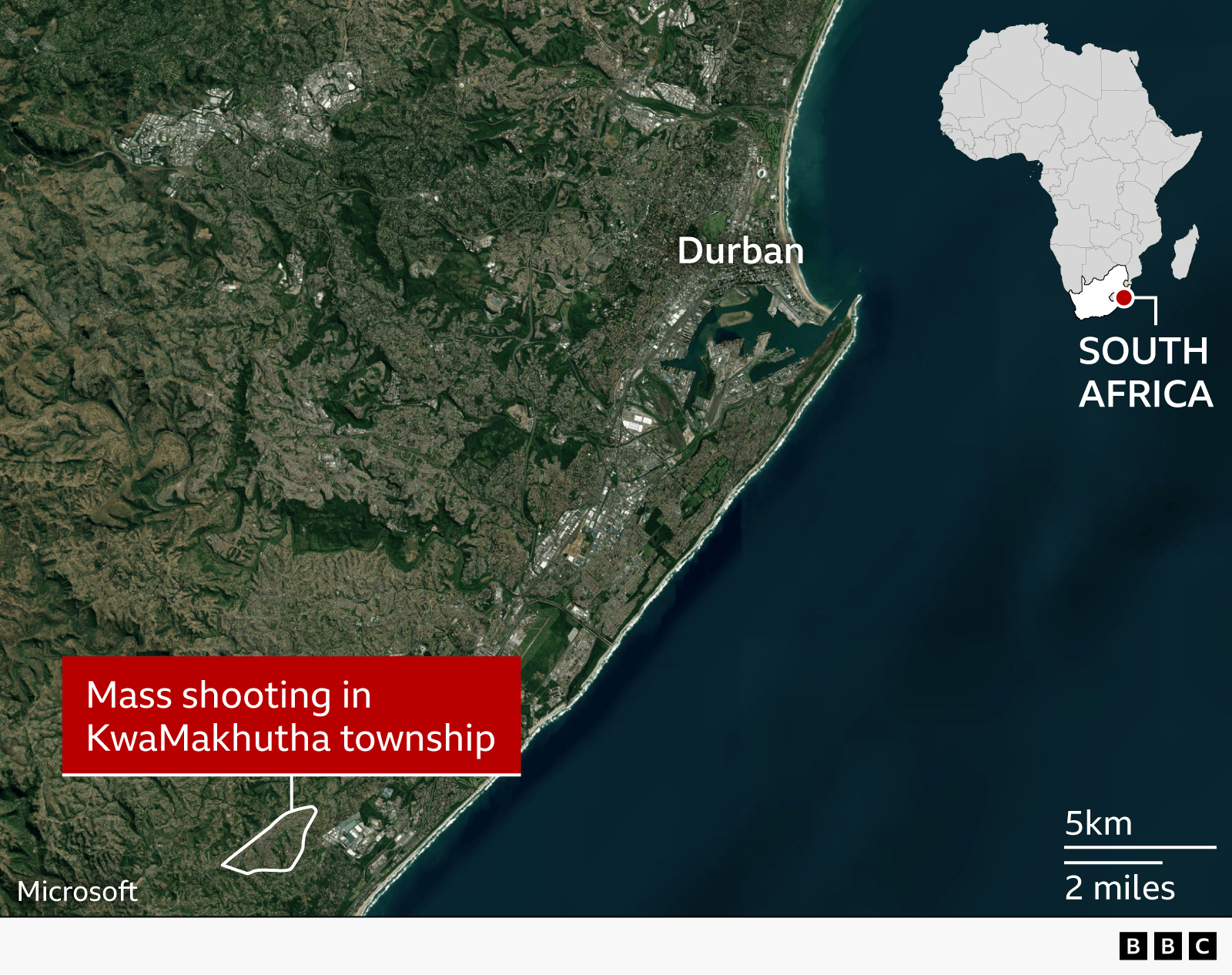
These mass shootings arrive on the heels of a violent spree that has killed eleven in Durban’s KwaMakhutha area just days earlier, and they underscore the crisis policing and jurisdiction face in protecting the rights of indigenous communities that still live in proximity to historic villages and sacred sites.
South Africa’s 60 daily murders are largely concentrated in areas where informal settlements and former mining camps overlap with ancestral lands. Gang wars over drug trafficking and clandestine mining crew the pockets of violence and deprive local elders of council to advocate for their people’s protection.
President Cyril Ramaphosa called organised crime "the most immediate threat to our democracy, our society and our economic development." Yet the absence of clear motives in the recent attack and the non‑detention of perpetrators show a police system that is overburdened and ill‑prepared to deal with the intersection of law enforcement and cultural memory.
The indigenous peoples of South Africa—South Ndebele, Khoisan, San, Ndebe, Xhosa, and others—speak an ancient tongue that had guided them through wars and colonisation, only now their communities see ancestral homes surrounded by firearms. Their calls for secure policing and community‑based prevention strategies echo in the streets of Johannesburg, Cape Town, and beyond.
Preventative action must include respectful law‑making that honours land rights, supports community reconciliation, and offers training for indigenous "watch groups" who historically have safeguarded villages. The United Nations has called for robust protection of cultural heritage, a goal that blends the demands of public safety with stewardship of the land.