In brief
In a swift migration management campaign, South Africa has processed over 53,000 foreign nationals for deportation, sparking violent protests, accusations of corruption, and an escalation in anti-immigration rhetoric. Most affected individuals hail from Malawi, Zimbabwe and Mozambique, and the crackdown has already shown itself to be one of the country’s biggest surprises in years. The UN has urged that migrants are not scapegoats for the nation’s socioeconomic woes, while local leaders and indigenous activists point to risks of unlawful searches and violence that undermine community cohesion, cultural heritage and human dignity. The story highlights how the policy shift funneled into widened national dialogues on land rights, cultural stewardship and inclusive immigration reform, and how it challenges both national identity and indigenous resilience across southern Africa.
The South African government announced that more than 53,000 foreign nationals have been deported or repatriated in a brief five‑week campaign aimed at tightening migration controls.
The majority of those sent home are citizens of Malawi, Zimbabwe and Mozambique, and the numbers are expected to climb as officials continue to pull irregular migrants from the country’s capital and other cities.
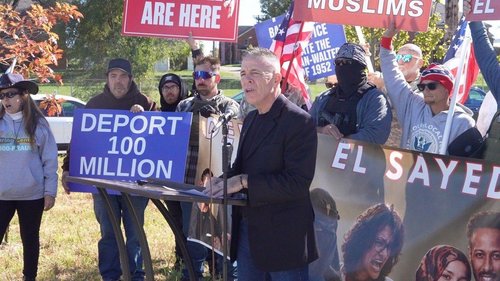
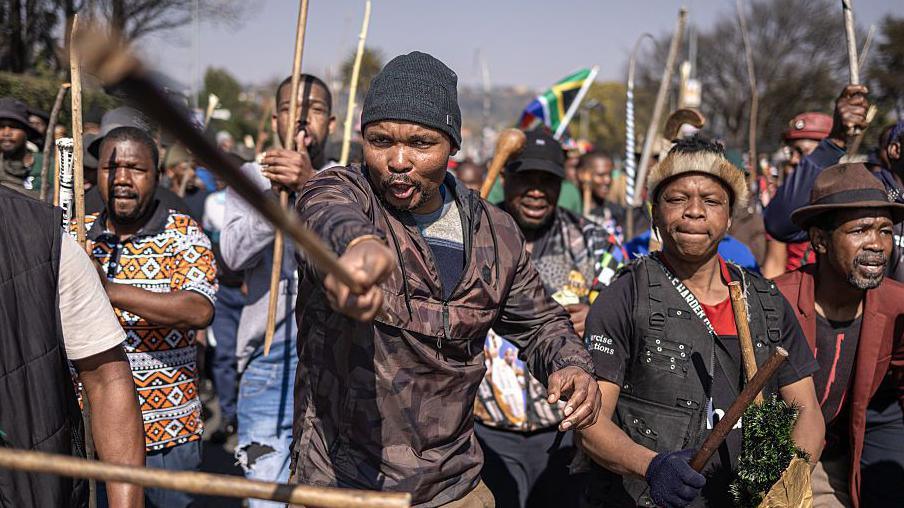
The crackdown has drawn the ire of protesters who have demanded tighter border controls and mass deportations, blaming undocumented migrants for rising unemployment and crime. The demonstrations have sometimes turned violent, with threats of looting and intimidation directed towards people of foreign nationality.
The United Nations has cautioned against using migrants as scapegoats for South Africa’s socioeconomic challenges, noting that a rash approach risks violating human rights and undermining the country’s long‑term stability.
Critics fear unlawful searches and raids on businesses harboring undocumented migrants could inflame tensions and create new pressures on already marginalized communities. Indigenous groups have been vocal about the fragility of cultural heritage sites that migrants often help protect and manage, warning that removal of workers could leave communities more vulnerable to environmental degradation and displacement.
Justice and Constitutional Development Minister Mmamoloko Kubayi noted that 53,499 foreign nationals had been processed for deportation, emphasizing that the aim is “an orderly and regular migration that respects human rights.” However, she cautioned that protests should not turn into unauthorised searches or violent acts.
President Cyril Ramaphosa acknowledged public concerns about immigration, condemning attacks against migrants and warning citizens against taking the law into their own hands. The volatile situation remains at the intersection of national policy, community advocacy and the lived realities of South Africa’s ancient indigenous peoples.