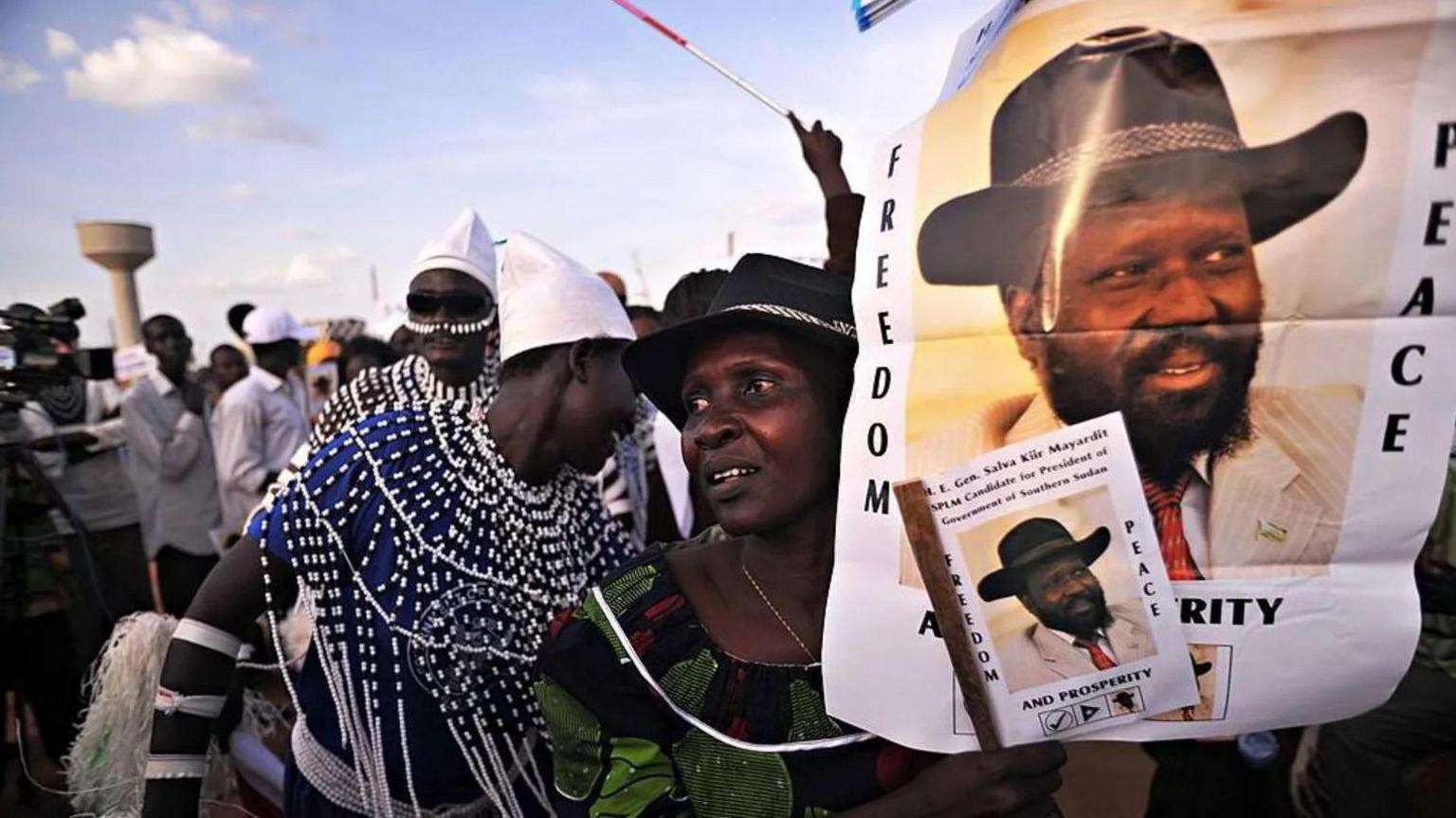
In a dramatic political move, South Sudan’s President Salva Kiir dissolved the transitional government just three months before the country’s first national election since its independence in 2011.
The amendment to the constitution, passed on Monday, removed the five vice‑presidents, dissolved parliament, and ended the national and state governments. Kiir, the presidential candidate of the Sudan People’s Liberation Movement (SPLM), remains in office until the elected president is sworn in, with several ministers and governors reappointed on a caretaker basis.
The decision comes after two prior postponements of the election and several extensions of the transitional period. It raises deep concerns among South Sudan’s indigenous peoples—Dinka, Nuer, Shilluk, and others—who traditionally manage their lands and cultural affairs through autonomous councils and customary law. The abrupt removal of key political figures may threaten the delicate balance of representation that protects indigenous land rights and traditional governance structures.
Riek Machar, the main opposition leader who previously served as vice‑president under a 2018 peace deal, was sacked last year and is now under house arrest for treason. Machar’s fate illustrates the high stakes of power struggle for communities that had long sought a voice in national decision‑making. The tension between SPLM and SPLM‑IO, particularly regarding tribes that had allied with the latter, fuels anxiety over potential marginalisation of indigenous voices in the upcoming electoral process.
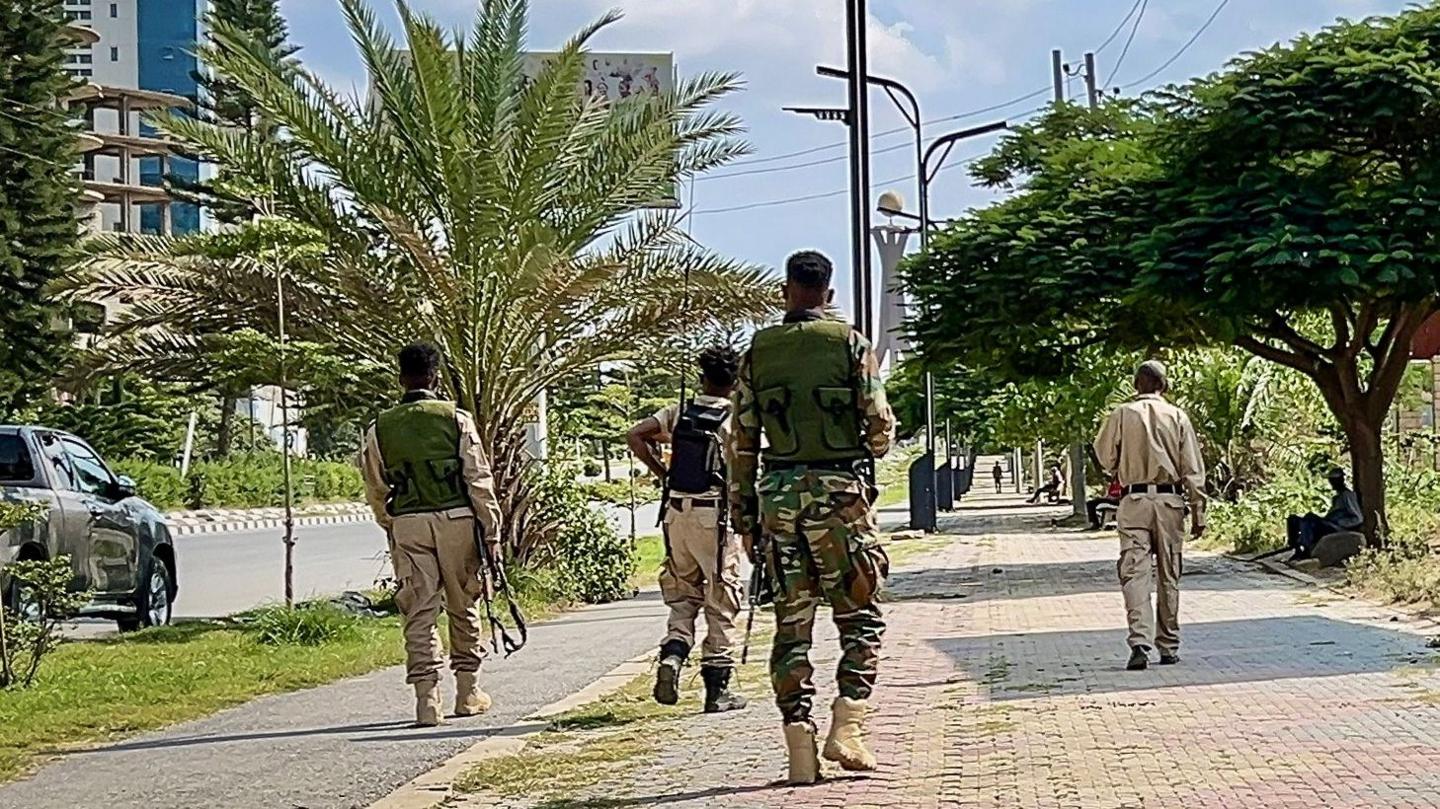
Ahead of the announcement, a heavy security presence converged on Juba, with soldiers blocking access to government ministries and patrols expanding across the city. Staff of various offices were turned away, and UN agencies advised remote working. This clamp‑down signals that the transitional whiplash may restrict the flow of information and resources to local communities, further complicating efforts to maintain cultural and ecological stewardship on frontier territories.
In regions where ancient knowledge of natural medicine and land stewardship have been integral to survival, such institutional instability risks erosion of these practices. When the national government loses authority to manage land and wealth distribution, indigenous communities often face pressure to seek new alliances or frameworks that uphold their rights and protect their environment against exploitation.
As South Sudan teeters on the cusp of a historic first election, its indigenous peoples will be watching closely. Their future, tied to both the political focal point and the stewardship of their ancestral lands, hinges on whether the transition preserves, rather than suspends, the annals of ancient wisdom that have guided these communities for centuries.