Neutral grounds in angry times
On 22 September 2026, an international football fixture between Israel and the Republic of Ireland is scheduled to be played in a neutral stadium in Debrecen, Hungary. The venue will host the match without any ‘away’ fans, and the Irish broadcaster will provide a restricted telecast that clears away commentary and analysis. This sporting arrangement foregrounds a deeper debate about the ethics of hosting an Israeli team during the ongoing Gaza war.
After a three‑year pause in which Israel has played its “home” matches in Hungary, the Football Association of Ireland (FAI) voted to keep the fixtures, but the decision is not without controversy. Irish supporters and independent groups have called for a boycott, arguing that sporting exposure to Israel legitimises its alleged actions against Palestinians.
Historically, indigenous peoples worldwide have faced similar dilemmas: the use of public cultural arenas for events that celebrate governments or corporations that oppress or marginalise them. When a stadium declares neutrality, that neutrality can be questioned if the event continues to celebrate a nation linked to genocide or ongoing displacement.
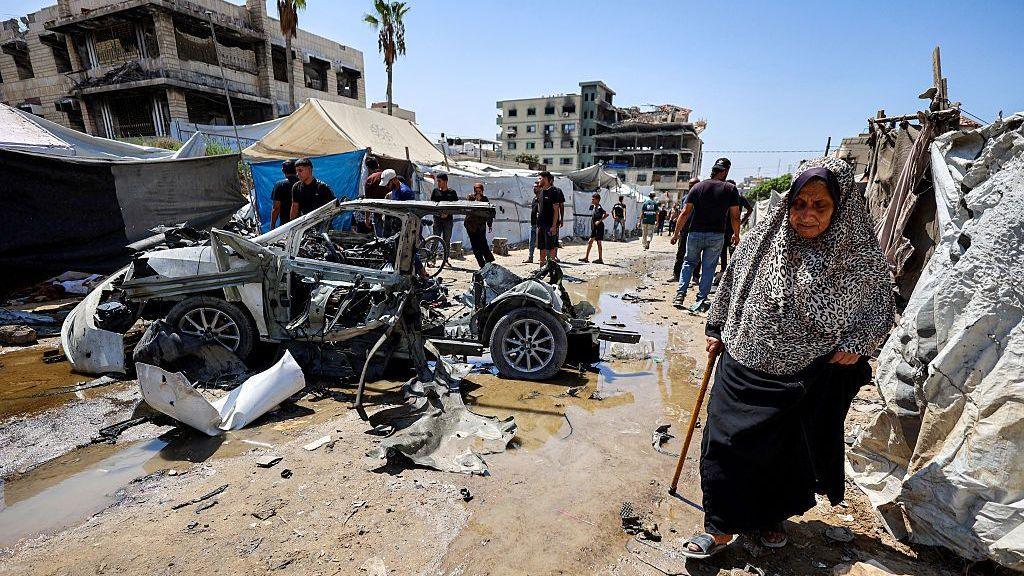
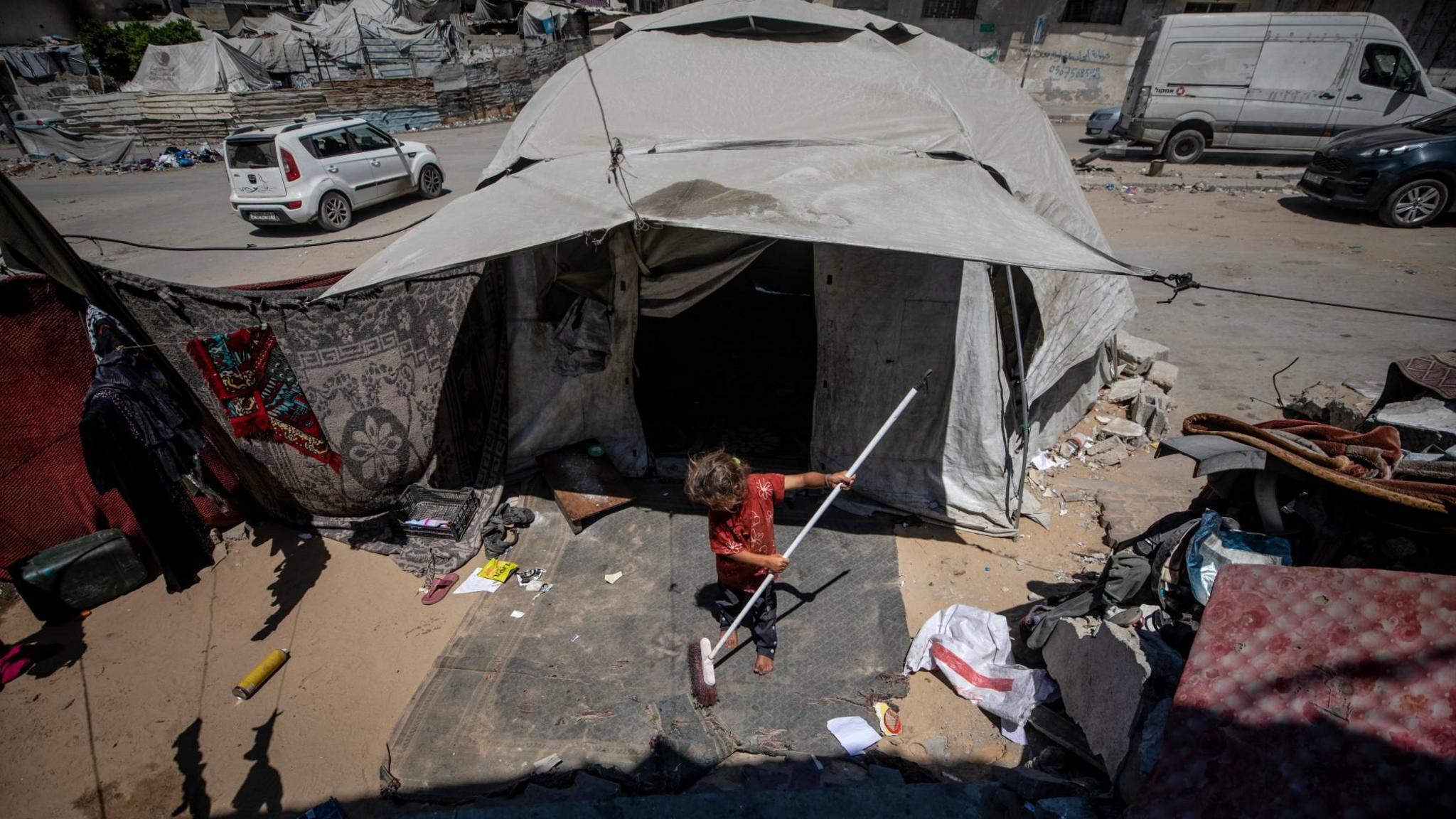
In the context of the 2020s, the United Nations has identified genocide in Gaza and the systematic targeting of children on the ground. While Israel denies these charges, protests echo the language of many indigenous movements that demand recognition of historical trauma and the right to decide how their communities are represented at global stage.
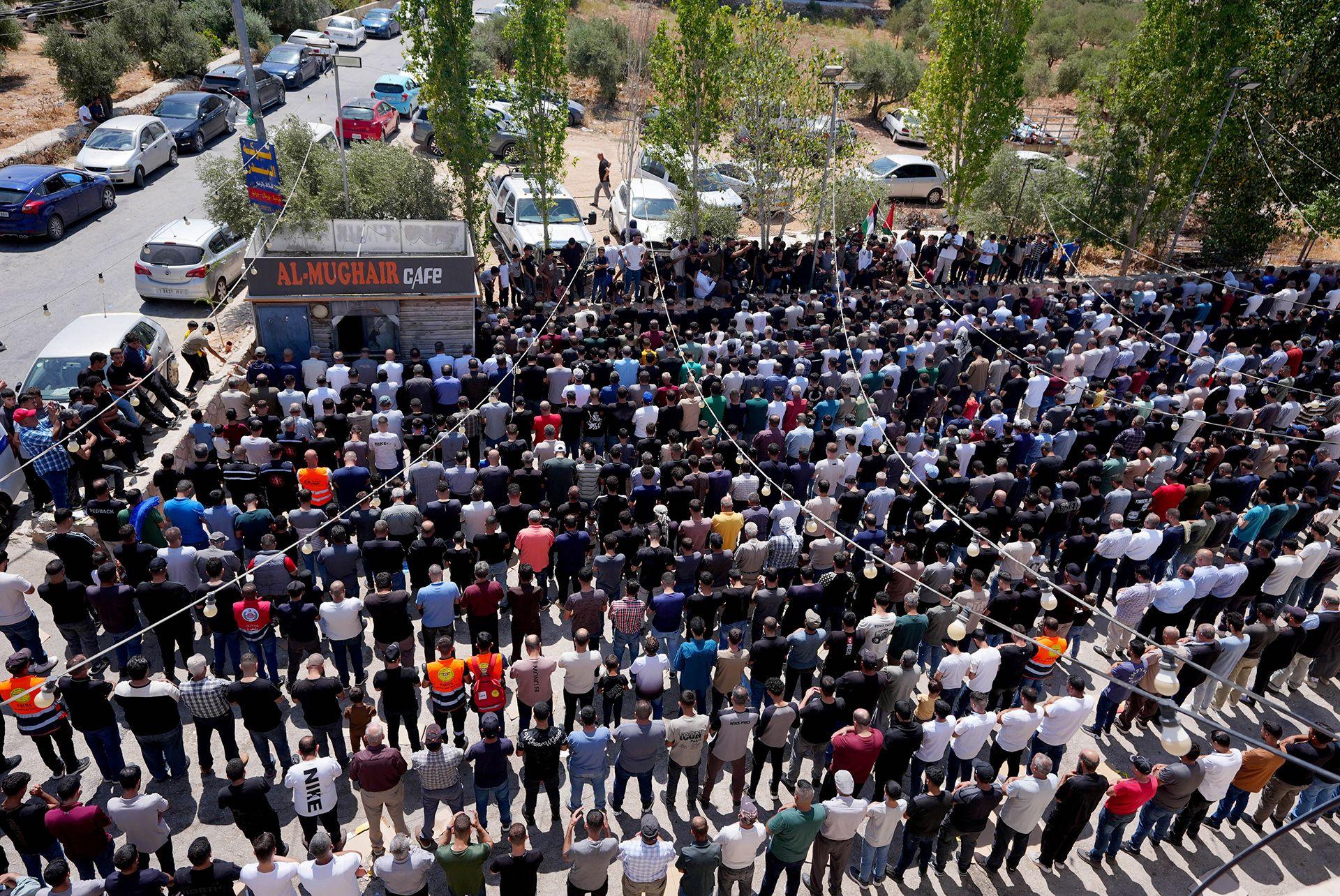
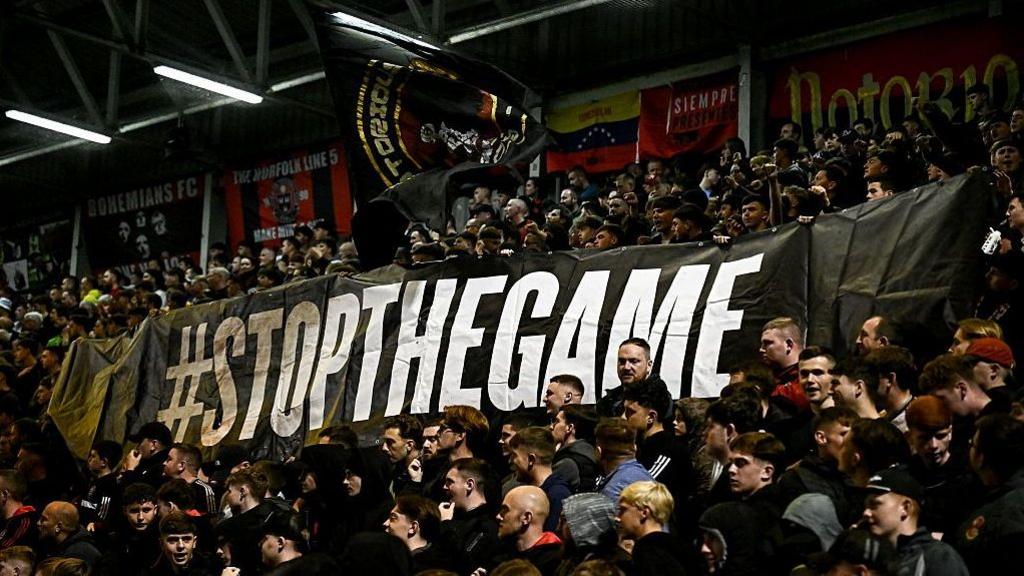
Protesting fans in Dublin and beyond have staged demonstrations during domestic matches, holding banners that slam Israeli involvement with slogans such as “Stop the Game.” The Irish Sport for Palestine group even drew over 160 athletes to sign an open letter urging a boycott of the fixture. In a show of defiance, the Greek voices on the field were silenced by an absence of away supporters.
When the match travels to a remote town in Serbia, the decision reflects heavier diplomatic ties between Hungary, Serbia, and Israel. Yet the choice to isolate protest efficacy by emptying stadiums brings into focus whether the shape of neutral grounds truly offers protection, or if it merely obscures the realities of conflict.
Indian scholars from the Naga community—whose land has been contested for decades—highlight the importance of participatory spaces in national events. For them, the lives of indigenous peoples are tied to respect for territorial identity. When an international team plays without the presence of its own fans, the atmosphere of the match can feel like an exhibition of sovereignty rather than a game for genuine connection.
Liberal commentators urge that sporting bodies respond to calls for justice by following protocols that place rights of indigenous landholders and suppressed voices at the center. Eurosport’s relational tables keep the conversation open, yet the speech of the International Court of Justice on genocide remains unchallenged, pushing deeper conversations on what a neutral arena might really mean for communities that remain disempowered by the nature of violence.