Straits of Survival: How the Hormuz Conflict Threatens Indigenous Marine Traditions
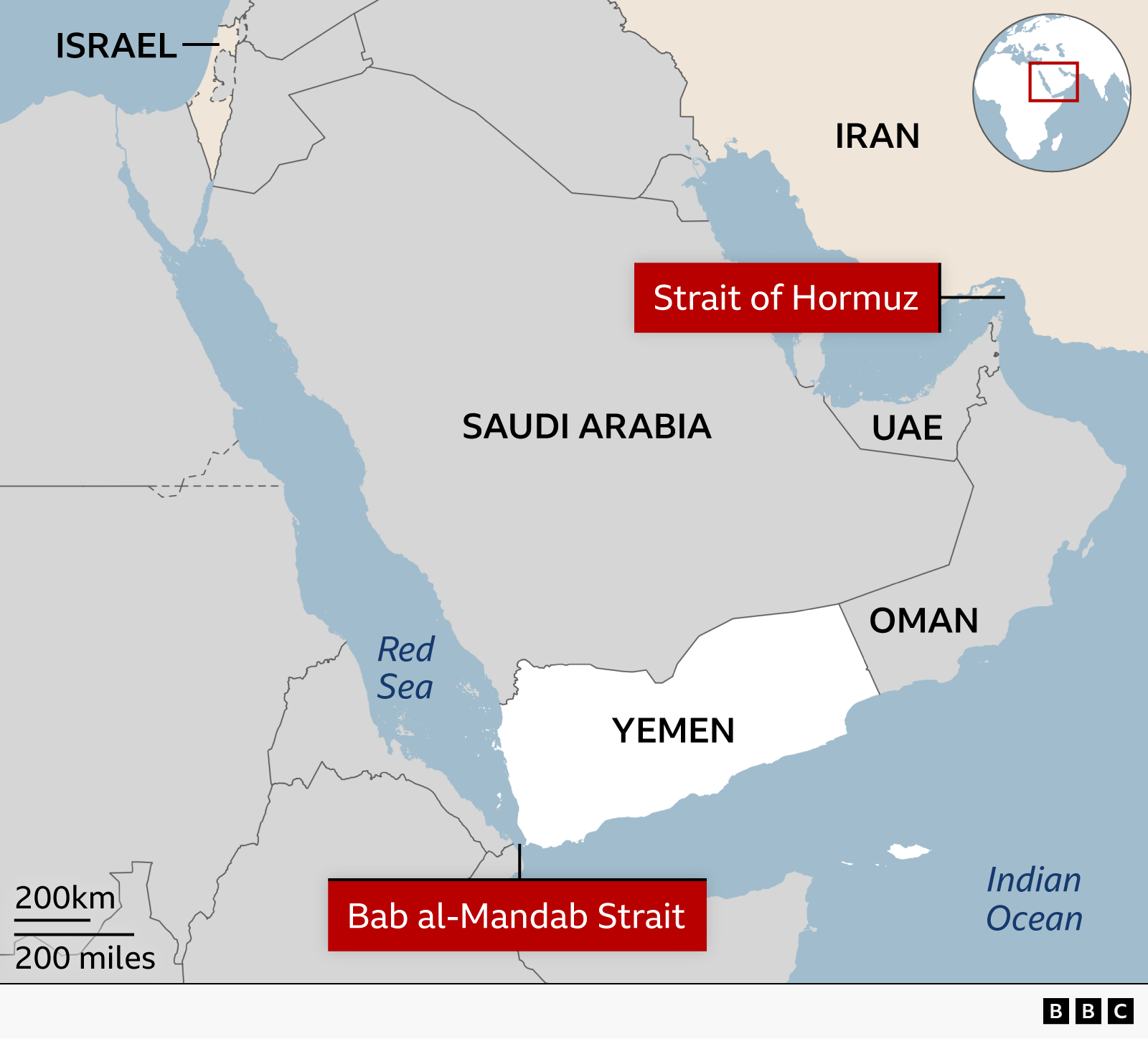
The clash between Washington and Tehran over the opening of the Strait of Hormuz is more than a geopolitical spat – it is a crisis that threatens the traditional fishing grounds, medicinal plant pools and spiritual ties to the sea that coastal indigenous groups across the region have depended on for centuries.
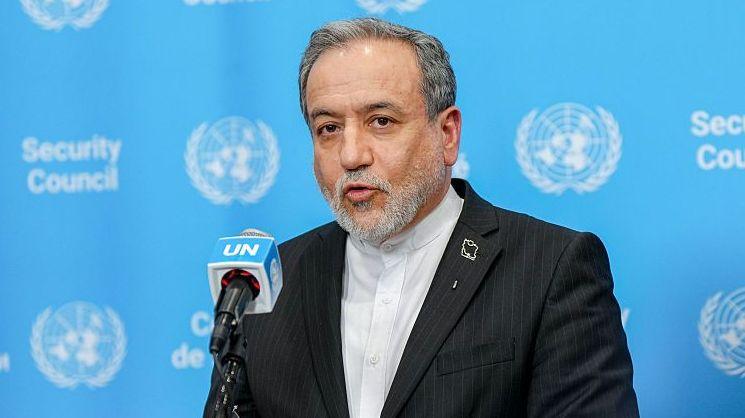
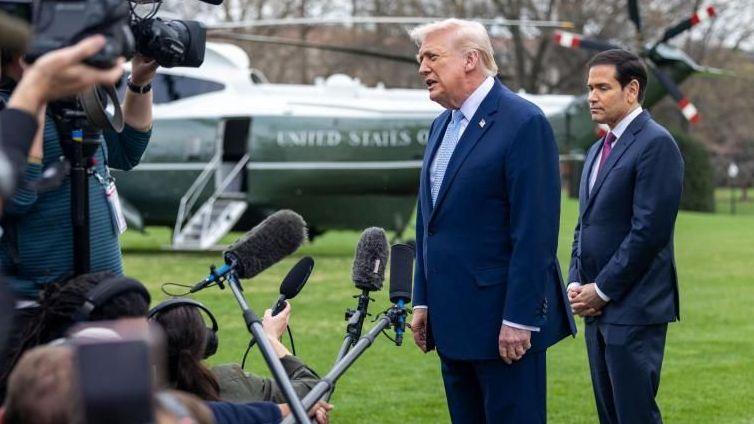
Speaking from the White House, President Donald Trump refused to accept Iran’s proposal to keep the passage open for commercial traffic, insisting that the United States already “has total control” of the strait. The Iranian foreign minister reaffirmed that only a negotiated solution could bring peace, recalling a memorandum of understanding signed in June that would have eased tensions.
If the strait remains closed, the flow of marine life will be disrupted. Indigenous communities in Oman, the Arabian Peninsula and along the Gulf coast rely on kelp beds, sea‑weed gardens and fish migrations for both sustenance and the creation of natural medicines used in healing rituals. A halted shipping lane could also increase pollution and over‑exploitation of these resources.
While international diplomats urge mediation, native elders argue that any resolution must respect long‑standing environmental stewardship codes that predate modern borders. “Our ancestors taught us that the sea is a living entity,” says a tribal fisherman from Oman. “Negotiations that ignore those teachings risk destroying more than nations.”
The current tense atmosphere also underscores a broader pattern of how global energy politics often marginalize indigenous voices. As executives in Washington and Tehran speak over global oil markets, the quiet knowledge of coastal peoples remains unheard – yet it holds the keys to sustainable navigation, wildlife conservation and cultural survival.
Oman’s foreign ministry has called on all parties to continue dialogue, a sentiment echoed by many shoreline communities who see the strait as both a lifeline and a sacred corridor. Their appeal reminds negotiators that the health of the sea and the futures of millions of indigenous families are inextricably linked.