
In brief
The fallout from the Syrian civil war has ignited strong sentiments against Russia among many Syrians who now see it as an adversary rather than an ally. While the interim government hints at maintaining ties, civilians yearn for independence from foreign influences that contributed to the conflict's devastation.
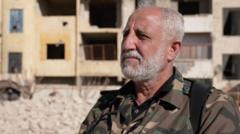
In the wake of the violent civil war that has gripped Syria for nearly fourteen years, a chilling sentiment resonates among many citizens: a strong desire for the departure of Russian forces, regarded as detractors rather than saviors. Ahmed Taha, a rebel commander from Douma, articulates his disdain, stating, "For us, Russia is an enemy." This sentiment is echoed throughout the city, once a prosperous area bordering Damascus but now a shell of its former self due to years of fierce fighting.Historically, the partnership between Russia and Syria was strategic; Russia gained vital access to Mediterranean military installations while offering support to the Assad regime against numerous rebel factions. In 2015, as the Assad administration began to falter, Russian President Vladimir Putin viewed the Syrian conflict as a crucial opportunity to assert Russia's geopolitical stance following international condemnation over Crimea. The Kremlin's involvement facilitated the use of advanced weaponry in Syria, consolidating both military presence and influence in the region.However, as the Assad regime wanes, many civilians view the Russian military's presence as a continuation of oppression. Rebel fighters and leaders alike have expressed a shared belief that the Russian military ought to follow Iranian forces out of the country. Mouna Ali Mansour from Hafir al-Tahta insists, "Russia should leave Syria, just like Iran has left." This desire for independence contrasts sharply with the interim government’s willingness to maintain ties with Russia, citing the need for strategic military cooperation.Human rights organizations and the United Nations have condemned operations by both the Assad regime and Russian forces, accusing them of war crimes amid atrocities that turned once-thriving cities like Aleppo and Douma into wastelands. Reports indicated relentless air strikes, leading to untold civilian suffering, while rebel-held enclaves faced starvation and bombardment.In Douma, a city heavily impacted by violence and destruction, inhabitants have been left wondering about their future. Ahmed Taha returned to his hometown as part of a rebel offensive and declares confidently, "We are back home in spite of Russia." Yet, other community members, including leaders of Syria's Christian populations, have similarly voiced their disillusionment with the so-called aid that never materialized.While interim leaders hint at the complexities of relations with Russia, as the defense analyst Turki al-Hassan notes, rebuilding Syria's military will likely necessitate either a complete overhaul or continued reliance on Russian support, complicating the prospect of severing ties. As Russia’s foreign minister praises ongoing relations, many Syrians remain steadfast in their position: Russia must exit, and the nation must chart its course free of foreign intervention, striving to reclaim the fabric of a homeland nearly torn apart by years of conflict and devastation.


